“`html
Vertical Gardening Techniques for Small Spaces
In urban environments where outdoor space is often limited, vertical gardening provides a creative solution for thriving green spaces. This blog post explores the techniques and tools that transform small areas into lush, productive gardens. With options ranging from simple trellises to elaborate garden towers, you’ll discover methods suited for any level of gardening expertise. These vertical solutions not only maximize growing space but also elevate the aesthetic appeal of your home. Dive into these innovative concepts and start your journey towards a flourishing vertical garden.
The Gardener’s Handbook: Design and Organize a Successful Garden
Organizing a successful vertical garden starts with a well-thought-out plan. Assess the available space, considering factors such as sunlight, wind exposure, and accessibility. Choose plants that thrive in vertical settings, like climbers or those with shallow roots, making the most of your vertical area. Arrange plants based on their light and water needs; this ensures each receives equal care and maximizes their growth potential.
Once the structure and plant types are selected, gather materials like trellises, containers, and soil. Proper soil choice is crucial; it should be lightweight yet nutrient-rich, ideal for container gardening. Consider irrigation solutions, like drip systems, to maintain consistent moisture levels. These thoughtful preparations foster not only plant health but also maintain the sustainability and beauty of your garden.
Teepee Trellis
The teepee trellis is a simple, yet effective, solution for supporting climbing plants. Constructed from poles or sturdy sticks arranged in a conical shape, it provides ample support for plants like beans and peas. Besides its functionality, the teepee trellis adds a rustic charm to any garden setting, proving that practical solutions can also be aesthetically pleasing.
To build a teepee trellis, gather at least three poles or sticks of equal length and secure one end in the ground, bringing the tops together to tie securely. Train young plants to climb using gentle guidance, ensuring they develop strong roots and stems. This structure not only optimizes vertical space but also allows for a more bountiful harvest in limited areas.
Cattle Panel
Cattle panels are versatile, durable supports perfect for heavier plants. These wire panels can withstand significant weight, making them suitable for vegetables such as tomatoes or cucumbers. Elevated off the ground, a cattle panel allows for clean and easy harvesting, while minimizing pests and diseases that often lurk in ground-level gardening.
Secure cattle panels between sturdy posts to ensure they bear the weight of your plants and withstand weather conditions. This semi-permanent structure enhances any small space; when adorned with climbing vegetables or flowers, it transforms bland corners into vibrant focal points. The cattle panel is an investment in both function and form, rewarding gardeners with abundant and healthy growth.
Arch Using Fencing Panels
Creating an archway using fencing panels is a visually stunning way to grow your garden upwards. This technique not only maximizes space but also creates a natural entryway into another world. An arch made from sturdy panels can support a variety of climbing plants, from roses to clematis, offering color and fragrance above the ground.
To build an arch, bend fencing panels into a curved shape and anchor them firmly on each side. Plants trained to grow over the structure create a living canopy that adds a magical touch to your garden path. The archway, while providing aesthetic appeal, serves a practical purpose by offering support and sun exposure to a range of plants.
A-Frame Trellis
An A-frame trellis is an efficient and practical solution for maximizing vertical gardening space. This design is particularly effective for growing larger produce, like squash or melons, by supporting their growth and distribution of weight. The A-frame’s geometric shape provides stability and balance for heavy crop yields.
Constructing an A-frame trellis involves securing two panels in an inverted V-shape. As plants climb the structure, their weight is evenly distributed and supported, preventing breakage or tipping. This versatility makes the A-frame trellis an invaluable addition to small spaces, turning them into highly productive gardens with fruit-heavy vines.
Ladder Trellis
For a quick and simple vertical gardening solution, the ladder trellis stands out for its ease of implementation. Old wooden or metal ladders can be repurposed, offering multiple rungs for plants to climb. Lean a ladder against a wall or secure it freestanding; it becomes an instantly functional and rustic addition.
Incorporate different plant species at various levels, taking advantage of sunlight and air movement. The ladder trellis is particularly effective for small climbers, such as cherry tomatoes or herbs, allowing you to create a layered garden without elaborate setup. Its mobile nature means you can experiment with placement, optimizing light exposure and access.
Vertical Garden Tower
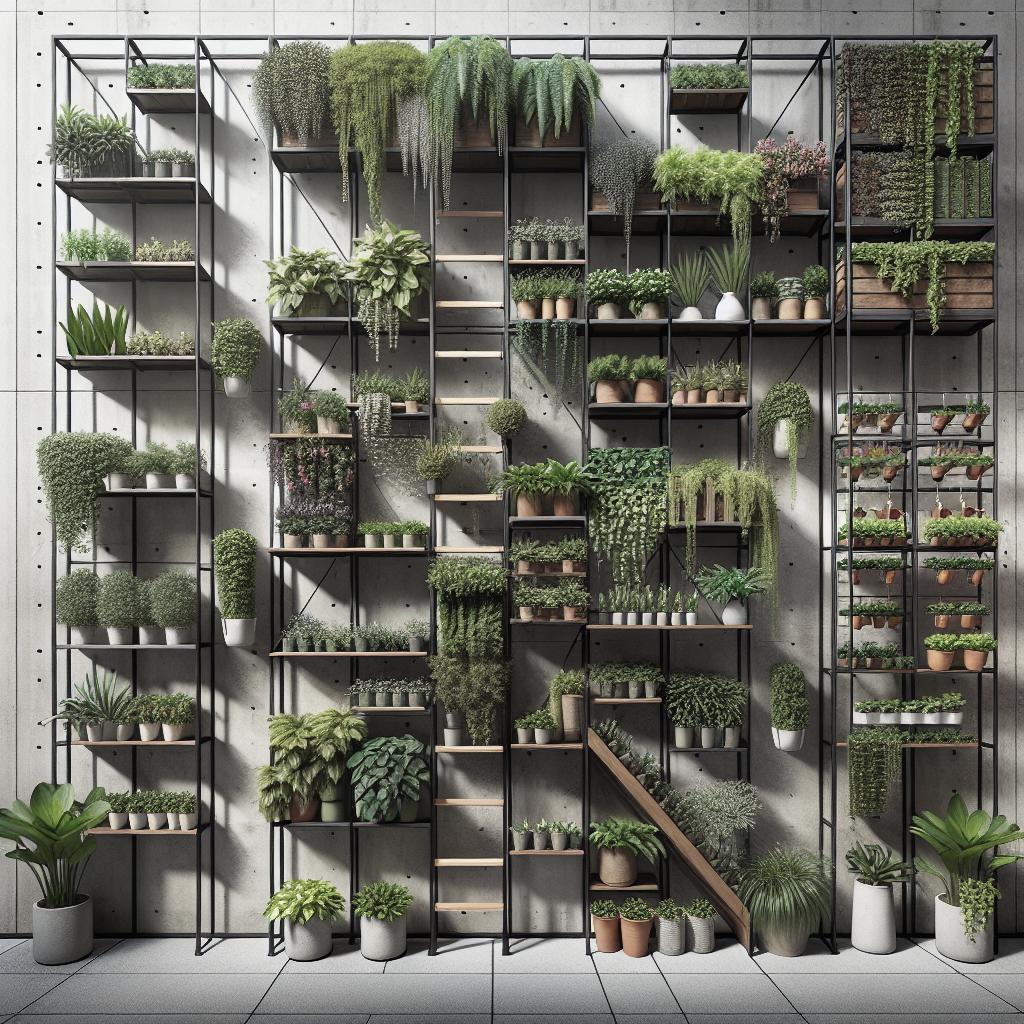
The vertical garden tower is a compact, all-in-one solution for those with limited space but abundant ambition. Designed to hold multiple layers of plants, it maximizes every inch of vertical space, making it ideal for patios and balconies. These systems often include built-in irrigation, ensuring each level receives appropriate water and nutrients.
Garden towers can be pre-assembled or tailor-made, catering to individual needs and plant selections. They support a wide array of plants, from leafy greens to flowering herbs. With this innovation, gardeners can enjoy a modular, efficient growing system that is both sustainable and visually impressive, fostering biodiversity in the smallest of spaces.
Additional Garden Trellis Ideas
Expanding your vertical garden repertoire can include ideas such as window grids or railing planters. These options utilize existing structures for support, enabling vertical growth in even the tiniest of spaces. Window grids are perfect for trailing vines, creating natural privacy screens.
Similarly, railing planters offer a space-efficient means to elevate your garden, bringing color and life to balconies and terraces. Combining these innovative approaches with classic techniques enhances both the beauty and functionality of your outdoor spaces.
You have Successfully Subscribed!
Stay informed and get the latest updates on vertical gardening techniques by subscribing to our newsletter. With expert tips and trend insights, you’ll continue to cultivate your skills and develop flourishing vertical spaces.
Subscription not only keeps you connected but provides access to exclusive content, ensuring you remain at the forefront of sustainable gardening practices. Join our growing community and explore the potential of vertical gardening today.
Submit a Comment Cancel reply.
Have experiences or questions about vertical gardening? Share your thoughts or ask for advice in the comments section. Engaging in discussion helps refine and expand gardening knowledge, benefiting everyone committed to cultivating green spaces.
Whether a novice or expert, your input adds value to our community, fostering dialogue and innovation in the art of vertical gardening. Your feedback is not just appreciated; it is essential for growth and community building.
Future Prospects
| Technique | Description |
|---|---|
| Teepee Trellis | Simple, conical arrangements for climbing plants; enhances rustic charm. |
| Cattle Panel | Sturdy wire panels for heavier vegetables; maximizes vertical space. |
| Arch Using Fencing Panels | Creates a living canopy and aesthetic focal point in gardens. |
| A-Frame Trellis | Supports large crops with a balanced structure; ideal for heavy yields. |
| Ladder Trellis | Repurposed ladders for small climbers; mobile and practical. |
| Vertical Garden Tower | Compact towers that optimize space with a built-in irrigation system. |
| Additional Trellis Ideas | Includes window grids and railing planters; utilizes existing structures. |
“`