“`html
Water-Saving Tips for Maintaining a Garden
Conserving water in your garden doesn’t mean sacrificing the beauty and health of your plants. Sustainable gardening practices not only help preserve resources but also save you money in the long run. This blog post guides you through effective water-saving strategies to maintain a flourishing garden. From nurturing your soil to choosing the right time and technique for watering, every step plays a vital role in efficient water usage. Additionally, opting for drought-resistant plants and utilizing rainwater can further enhance your garden’s sustainability. With these insights, you’ll learn how to harmonize the needs of your garden with the environment, ensuring vibrant plant life even during dry spells.
The Right Approach for Water-Saving Gardening
Achieving water efficiency in your garden starts with understanding the specific needs of your landscape. A foundational step is soil management, which sets the stage for effective water conservation. Healthy soil has better water retention capabilities, which reduces the need for frequent watering. This involves regular composting and mulching to improve soil structure and maintain moisture levels.
Another critical aspect is choosing the right plants that align with the climate and conditions of your garden. Native plants or drought-resistant varieties are typically well adapted to the existing environmental conditions, requiring less watering. Familiarize yourself with the water requirements of each plant species in your garden and strategically place those with similar needs together to optimize watering efforts.
Practical Approaches to Water-Efficient Gardening
Aside from soil health and plant selection, implementing practical watering strategies can drastically cut down water usage. Drip irrigation systems, for instance, deliver water directly to the base of the plants where it is needed most, minimizing evaporation and runoff. Additionally, consider zoning your garden based on water needs, allowing you to tailor irrigation schedules.
Consider also adjusting lawn sizes or replacing turf with groundcover or hard landscaping to minimize the water-guzzling aspects of a garden. By combining techniques like rainwater collection and gray water usage, you can reduce dependency on municipal water supplies and enhance your garden’s sustainability during dry periods.
Other Assorted Watering Tips
Simple habits can make a significant difference in water conservation. For instance, avoid watering on windy days to prevent water from blowing away and evaporating before it reaches the roots. Mulching not only strengthens soil health but also shields moisture from evaporative losses.
Regular inspections of your irrigation systems for leaks and drips ensure water isn’t wasted. Educate yourself and your family on the value of each drop, fostering an environment where water conservation becomes second nature. Embrace technology with smart irrigation controllers and soil moisture sensors for optimal watering schedules.
1. Look After Your Soil
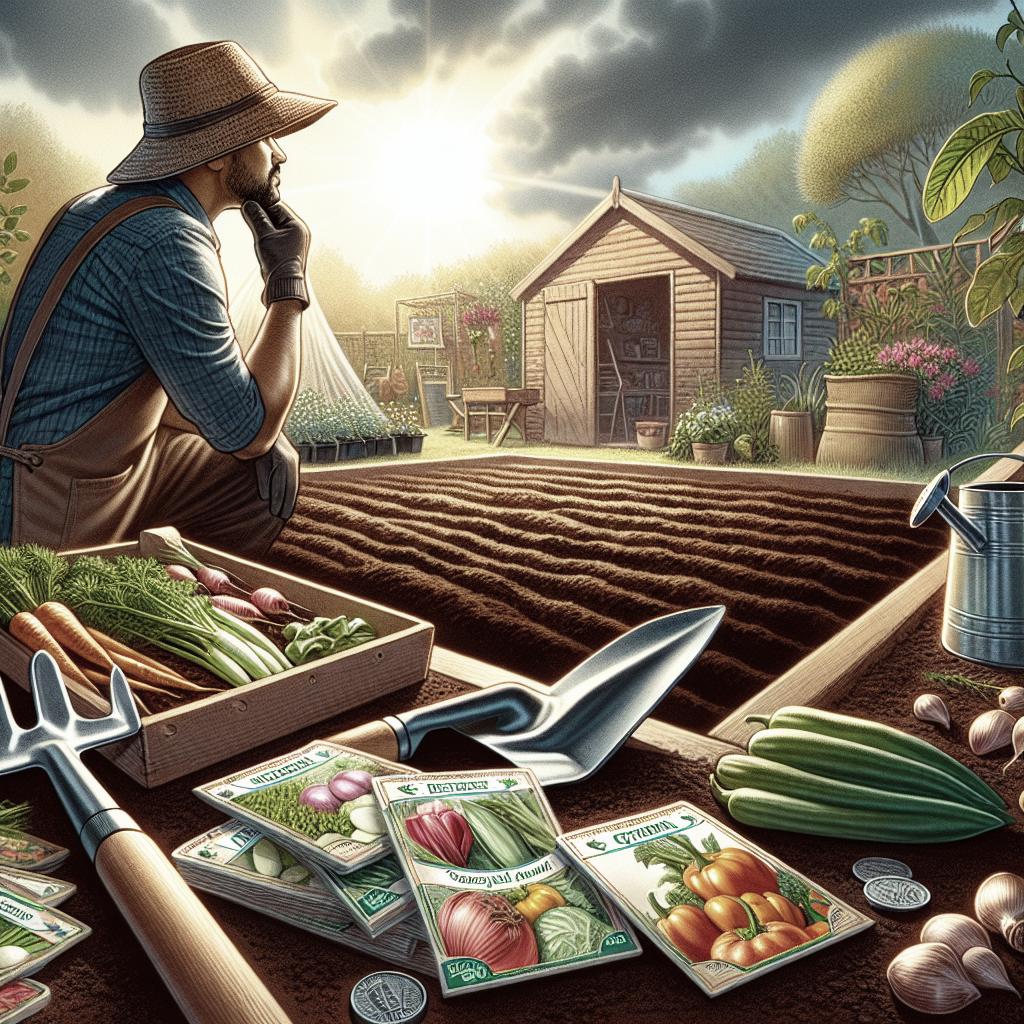
Working on your soil is the cornerstone of a water-saving garden. Rich, loamy soil retains water effectively, quite opposite to sandy or compacted soils. By integrating organic matter such as compost and mulch, your soil’s water-holding capacity is naturally enhanced. Compost not only enriches the soil’s nutrient content but also builds structure, allowing better water retention and root penetration.
Furthermore, consider practicing no-till gardening or minimal soil disturbance techniques. This helps in preserving the soil structure and existing moisture levels, minimizing erosion. A solid soil foundation reduces the frequency of watering, providing a resilient base for plants even during drier spells.
2. Water at the Right Time
Timing is crucial when it comes to watering efficiently. Early mornings or late afternoons are ideal as temperatures are cooler, reducing evaporation rates. Midday watering, particularly under harsh sun, leads to significant water loss and can even scorch plant foliage.
By adhering to a precise watering schedule based on weather forecasts and seasonal changes, you ensure that plants receive adequate moisture. Smart irrigation systems and timers can automate this process, adapting to current climatic conditions and soil moisture levels, optimizing water use.
3. Use the Right Amount of Water
Overwatering is a common gardening mistake, leading to water waste and plant health issues such as root rot. It’s essential to understand each plant’s specific water needs to avoid excess. Conduct a simple soil moisture test by digging a few inches into the soil if it feels dry, it’s time to water; if moist, wait a few days.
Employing techniques such as deep watering ensures water reaches the root zone and encourages plants to develop deeper root systems, enhancing drought resistance. This method involves occasional but thorough soaking, encouraging healthier plant growth with less frequent watering.
4. Plant Flowers That Need Less Water
Choosing drought-tolerant or native plants can dramatically reduce your garden’s water needs. These species are accustomed to surviving with minimal water and are typically low maintenance. Examples include lavender, succulents, ornamental grasses, and native wildflowers, known for their resilience in dry conditions.
Designing your garden with water efficiency in mind also involves grouping plants with similar water requirements together. This practice, known as hydrozoning, ensures each area of your garden is irrigated according to need, minimizing excess watering.
5. Use the Best Watering Techniques for Your Plants
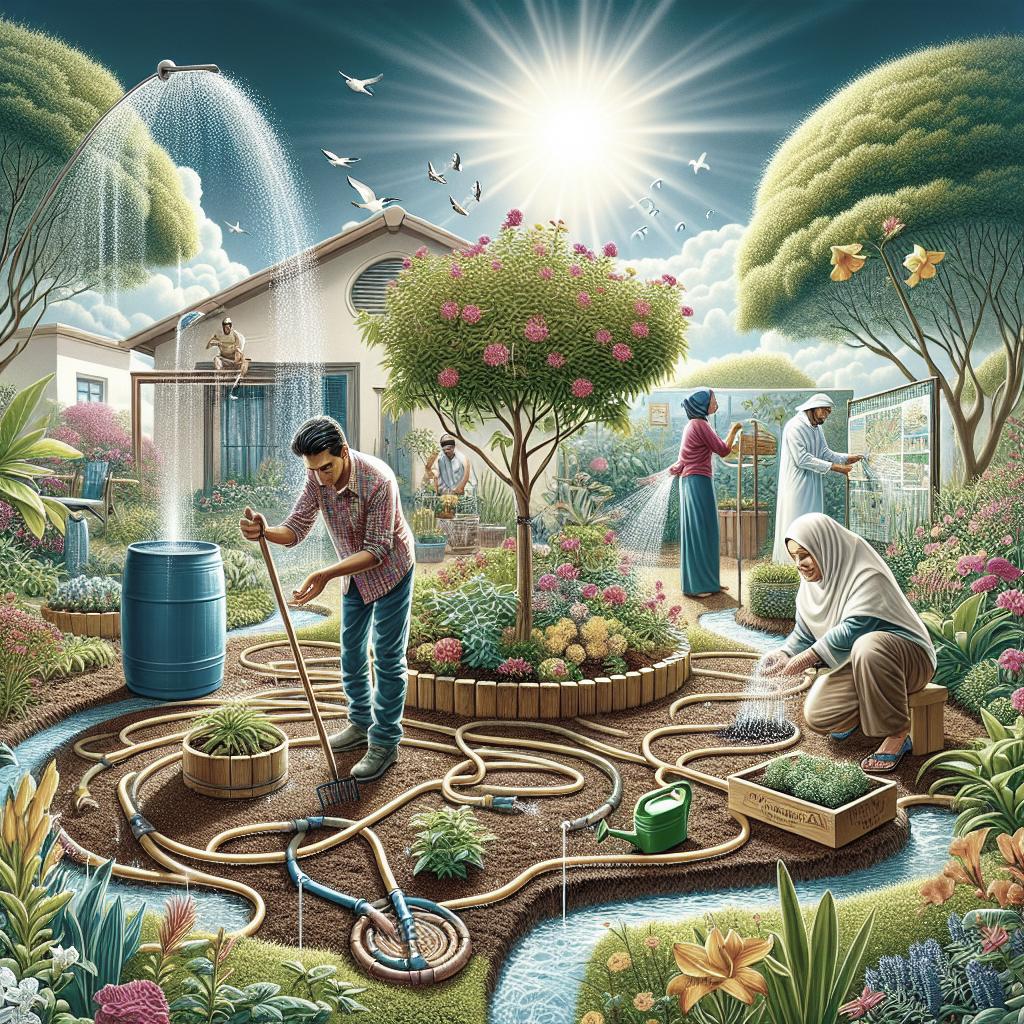
Effective watering techniques not only conserve water but also promote healthier plants. Techniques like drip irrigation or soaker hoses target the root zone directly, minimizing evaporation and ensuring moisture penetrates deeply into the soil. These methods are particularly effective for vegetable gardens and flower beds.
For potted plants, consider self-watering pots or saucers that capture excess water, reducing wastage. Regularly monitor and adjust your watering techniques based on seasonality, humidity, and specific plant requirements for best results.
6. Collect Rainwater and Reuse Old Water
Harnessing natural water resources is a sustainable way to maintain a healthy garden. Installing rain barrels to collect rainwater from gutters provides an eco-friendly irrigation supply. This harvested water can be utilized during dry spells, ensuring a consistent supply without relying on external sources.
In addition to rainwater, consider reusing household gray water. Water from showers, sinks, and washing machines, once suitably filtered and free of harmful chemicals, can nourish your plants efficiently. Always ensure the use of biodegradable soaps and detergents to prevent soil and plant contamination.
Summary of Main Points
| Tip | Details |
|---|---|
| Look After Your Soil | Amend soil with organic matter; practice no-till gardening for moisture retention. |
| Water at the Right Time | Water in early mornings or late afternoons; use timers for consistent schedules. |
| Use the Right Amount of Water | Avoid overwatering; employ deep watering for root penetration. |
| Plant Flowers That Need Less Water | Choose drought-resistant and native plants; practice hydrozoning. |
| Best Watering Techniques for Plants | Use drip irrigation systems; consider self-watering pots for potted plants. |
| Collect Rainwater and Reuse Old Water | Install rain barrels; reuse filtered gray water where possible. |
“`