
“`html
Vertical Plant Support in Gardens
Vertical gardening is a fantastic way to maximize space, enhance your garden’s aesthetics, and boost the overall health of your plants. Whether you’re dealing with limited gardening space or looking to experiment with innovative planting methods, vertical gardening offers numerous benefits. This article explores various methods for vertical plant support, the types of vegetables best suited for this gardening approach, and provides helpful tips and ideas to support your vertical garden journey. Let’s dive into the world of vertical gardening and see how you can transform your garden into a thriving vertical oasis.
Benefits Of Vertical Gardening
No space? No problem!
Vertical gardening is a perfect solution for those with limited gardening space or living in urban areas. By utilizing vertical structures like trellises, arbors, or even simple wall-mounted planters, you can significantly increase your planting space without requiring a large horizontal area. This approach not only optimizes available space but also allows city dwellers with only a balcony or a small patio to cultivate a vibrant garden.
Moreover, vertical gardens can fit virtually anywhere. Whether you’re working with a tiny backyard or a narrow alleyway, vertical methods let you take advantage of stacked or layered gardening techniques, leading to an impressive variety of plants in the space available.
Using spaces you would not have thought of
Vertical gardening prompts creativity in utilizing unconventional spaces. Walls, fences, and even old ladders can be converted into towering plant structures. By thinking outside the box, you can discover new areas in your garden that can become lush, green vertical landscapes.
Living walls are another inventive method. They can serve dual purposes: as decorative features and functional plant gardens, making the most out of both interior and exterior spaces that are otherwise overlooked.
Adds a beautiful, interesting visual element
Beyond practicality, vertical gardening adds a striking visual component to your garden. The different levels and depths introduced by vertical elements bring a new aesthetic appeal, turning a simple garden into a dynamic and visually appealing environment.
Whether it’s vibrant trailing flowers or lush green vines cascading down a fence, the vertical dimension creates an engaging backdrop, offering a fresh perspective on your garden’s landscape design.
Easier to maintain
Vertical gardens often require less maintenance than traditional horizontal gardens. With plants raised above ground level, watering, weeding, and harvesting tasks become simpler and more ergonomic, saving time and reducing labor.
This accessibility is particularly beneficial for gardeners with mobility issues, as it minimizes the need for bending and crouching, making gardening a more enjoyable and inclusive hobby.
Fewer pests, fewer diseases, fewer weeds – Yeah!
By elevating plants off the ground, vertical gardening reduces exposure to soil-borne pests and diseases. Keeping plant foliage off the soil surface also discourages weed growth, minimizing competition for nutrients and water, leading to healthier plants overall.
The physical separation of plants facilitates better monitoring and control of potential issues, allowing for proactive garden management and a healthier garden ecosystem.
More sun + better airflow = healthier plants
Plants in vertical gardens can enjoy increased sun exposure as they grow upwards, reaching for more light. This setup ensures that each plant receives adequate sunlight, promoting better photosynthesis and healthier plant growth.
Enhanced airflow between vertical plantings also reduces humidity around the leaves, decreasing the likelihood of fungal infections, aiding in overall plant health.
Cleaner and better-looking crops
Since fruits and vegetables are kept off the ground in vertical gardens, they are less susceptible to rot and soil contamination. This results in cleaner, healthier, and more visually appealing produce.
Harvesting also becomes more efficient, as crops are more accessible and visible, ensuring you get the best quality produce without much hassle.
Environmental benefits
Vertical gardening contributes to environmental conservation by maximizing resource use and increasing plant density, which can potentially improve air quality and biodiversity in urban areas. It also encourages the growing of food locally, reducing the carbon footprint associated with transporting produce.
Additionally, living walls and vertical gardens can improve insulation in buildings, helping regulate temperature and potentially reducing energy consumption.
Which Veggies Work Best for Vertical Gardening?
Not all vegetables adapt well to vertical gardening, but many do, thriving when given a little support. Climbing plants like peas and pole beans are perfect candidates, as they naturally ascend supports such as trellises and netting.
Cucumbers, tomatoes, and squash can also be trained to grow vertically. These vegetables may require sturdy supports to bear the weight of their fruit. Additionally, lightweight crops like lettuce and herbs can easily find homes in wall planters, as their shallow roots don’t require deep soil.
Ultimately, the key to successful vertical gardening is to select plants that naturally climb or can be trained to grow upwards, maximizing your vertical space efficiently.
Some Tips For Vertical Gardening
When setting up a vertical garden, ensure your supports are sturdy enough for the plants you plan to grow. As plants mature, their weight can increase significantly, so reliable support structures are crucial to avoid collapse.
Incorporate automatic drip irrigation systems to distribute water evenly throughout your vertical arrangements, ensuring that each layer receives adequate moisture without overwatering the lower tiers.
Additionally, keep an eye on the sun’s path and position your vertical structures to maximize light exposure, adapting as needed to seasons and changes in sunlight.
Vertical Planting Ideas:
Vertical pallet gardens offer a rustic charm and can be an excellent DIY project for instant vertical garden space on a budget. Simply attach your chosen plants to the pallets and secure them against a wall.
Another inventive idea is using an old shoe organizer for growing herbs or small plants in individual pouches, which can be conveniently hung on doors or exterior walls.
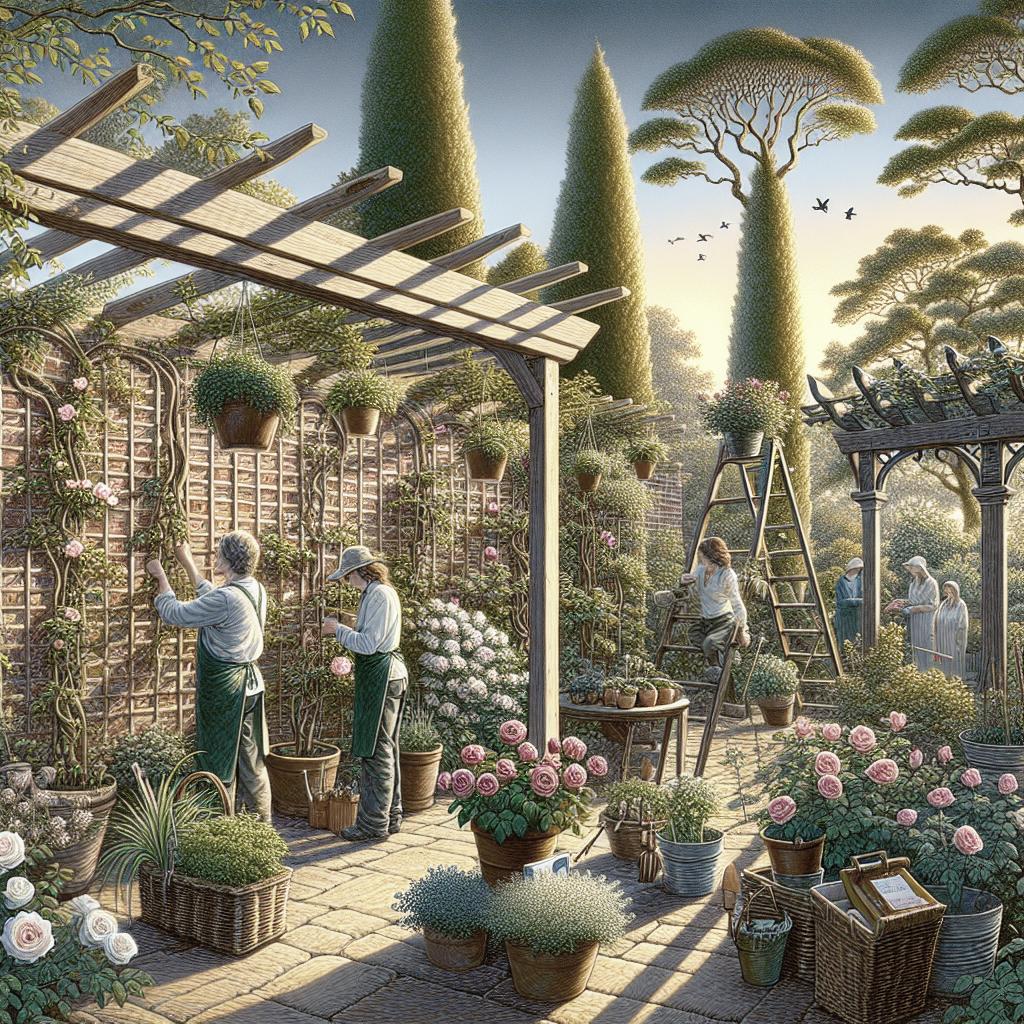
For a more structural and permanent solution, consider building pergolas or installing trellises. These can support a wide range of climbing plants and also serve as magnificent garden focal points.
Final thoughts
| Section | Summary |
|---|---|
| Benefits Of Vertical Gardening | Highlights include space-saving, visual appeal, easier maintenance, and environmental advantages. |
| Which Veggies Work Best | Ideal plants include climbing vegetables such as peas, beans, cucumbers, and tomatoes. |
| Tips For Vertical Gardening | Emphasizes the importance of sturdy supports, proper irrigation, and optimal sun exposure. |
| Vertical Planting Ideas | Incorporates creative suggestions like pallet gardens, shoe organizers, and structural installations like pergolas. |
“`
