
“`html
How to Manage Soil Erosion in the Garden
Soil erosion is a common challenge in many gardens, affecting both the aesthetics and health of your outdoor space. This post guides you through understanding soil erosion, highlights 19 practical methods to control it in your yard, and underscores the importance of erosion management for environmental sustainability. From using native plants and creating terraced gardens to employing modern techniques like drip irrigation, these strategies aim to protect your soil and enhance your garden’s resilience. Further, this article answers frequently asked questions and discusses when to seek professional guidance, ensuring you are well-prepared to tackle erosion in your garden.
What is erosion?
Erosion is the process where natural forces like water and wind remove soil, rock, or dissolved material from one location on the earth’s crust, then transport it to another location. In a garden context, this phenomenon can lead to the loss of nutrient-rich topsoil, which is crucial for plant growth and soil health. Often intensified by human activities such as construction or improper land use, erosion can result in unsightly landscapes and barren gardens if not adequately managed.
The impacts of erosion go beyond aesthetic disruptions. It fundamentally affects soil structure, creating less fertile ground for planting and growing. When the fertile layer of soil is dramatically reduced, plants struggle to thrive due to inadequate nutrients. Moreover, the sediment that erodes away can end up in waterways, leading to pollution and harming aquatic ecosystems.
19 erosion control methods for your yard
1. Native plants
Planting native species is an effective way to combat soil erosion. Native plants adapt well to local climate conditions, naturally anchoring the soil with their extensive root systems. This helps stabilize the ground and reduces the risk of erosion caused by wind and rain. Moreover, they require less maintenance and water once established, making them a sustainable choice for your garden.
Beyond soil stabilization, native plants contribute to local biodiversity by providing habitat and food sources for native wildlife. This harmonious balance between plant life and local fauna can lead to a more resilient and dynamic ecosystem, further enhancing the beauty and functionality of your garden.
2. Grass
Grass acts as a natural carpet for your garden, reducing the impact of raindrops on the soil’s surface and minimizing erosion. Its dense network of roots effectively holds soil particles together, preventing them from washing away during heavy rains. Furthermore, grass is relatively easy to establish and maintain, making it an accessible solution for homeowners of all gardening skill levels.
In addition to its soil-binding abilities, grass provides other environmental benefits such as cooling the surrounding air, improving air quality by capturing dust and pollutants, and offering a welcoming habitat for various insects and small wildlife. Selecting the right species of grass that suits your climate and soil type will yield optimal results for erosion control.
3. Drip irrigation
Drip irrigation systems are an efficient way to water your garden with precision, thereby minimizing water runoff—a common cause of soil erosion. By delivering water directly to the plant’s root zone, drip irrigation reduces the velocity of water flowing over the soil’s surface, which means less soil displacement.
This method is not only effective in conserving water but also supports the overall health of your plants by providing consistent moisture. The reduced evaporation and runoff water loss make it an environmentally friendly and cost-effective approach, particularly in regions prone to drought.
4. Terrace garden
Terracing converts a sloped area into a series of flat steps, which effectively slows down water runoff and prevents washing away of soil. Each terrace acts as a small retention basin, soaking up rainwater and reducing erosion potential. This method is especially useful in gardens on hilly terrain where erosion is more pronounced.
Beyond erosion control, terrace gardens can maximize planting space, allowing for a wider diversity of plants and crops. They also create visually striking landscapes that add depth and character to your garden design, transforming a challenging slope into a functional, aesthetic asset.
5. Retaining wall
Constructing retaining walls is a popular method for managing soil erosion on sloped landscapes. These walls, often made from stone, wood, or concrete, physically block soil from eroding and sliding away. They are especially effective in providing structural support to your garden, ensuring that other soil erosion measures remain effective.
In addition to their practical benefits, retaining walls add a sculptural element to your garden, serving as focal points and organizing landscapes into distinct zones. When installed correctly, they offer a long-lasting solution that increases both the functionality and aesthetic value of your outdoor space.
6. Riprap
Riprap involves laying down large stones or concrete chunks along slopes or shorelines. This method breaks the energy of flowing water, reducing its speed and minimizing erosion, particularly in areas next to bodies of water or drainage channels. By shielding the soil from direct contact with rainwater, riprap provides a robust defense against erosion.
Its robust nature makes riprap ideal for areas with frequent water flow or heavy use. However, while highly functional, it does require careful planning and installation to ensure it does not redirect water to other vulnerable areas, which could exacerbate erosion elsewhere.
7. Downspout extensions
Directing rainwater away from your house and garden beds using downspout extensions is a crucial step in preventing soil erosion. These simple attachments extend the discharge point of your gutters, ensuring that water is spread out over a larger, less susceptible area rather than concentrated in one spot.
This method not only protects the immediate area surrounding your home but also distributes water more evenly across your yard, promoting more uniform moisture levels and reducing the risk of localized erosion. Correct installation and regular maintenance ensure optimal performance.
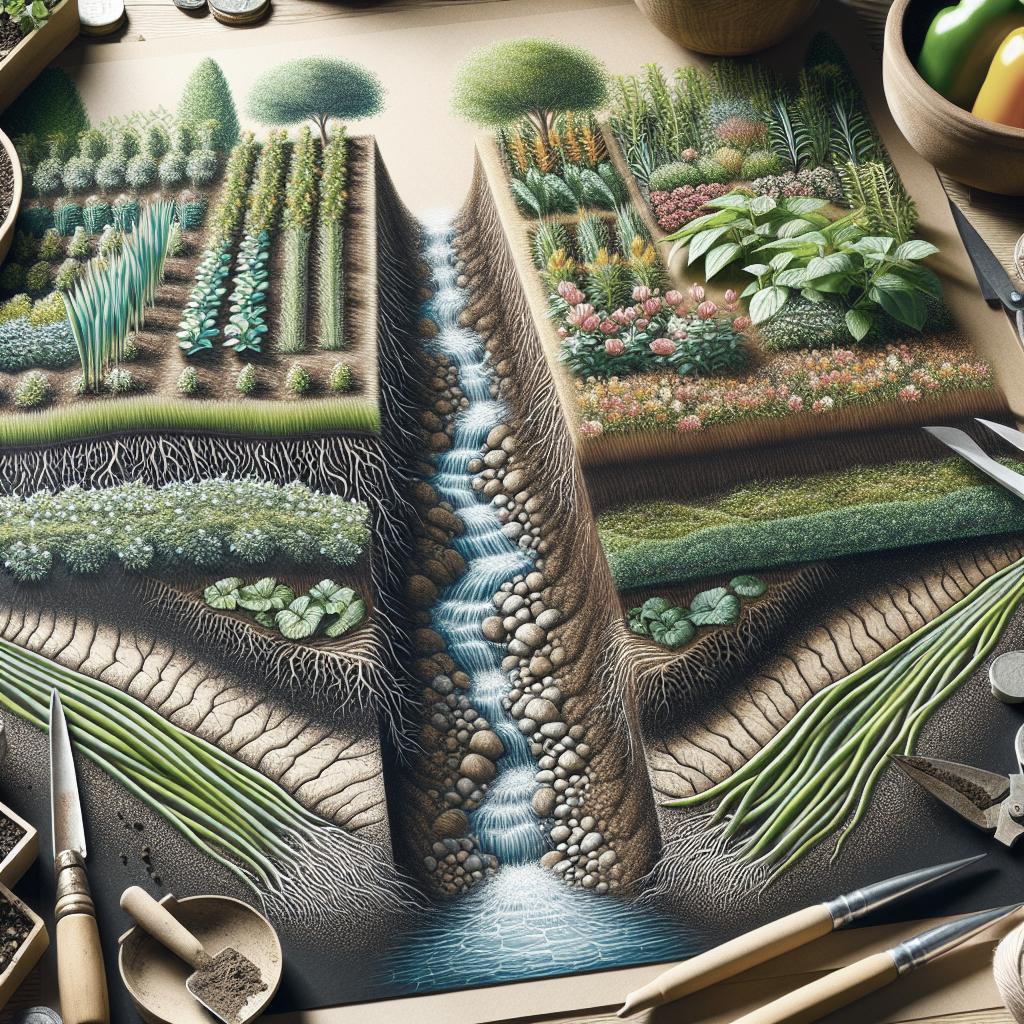
8. Dry creek beds
Designing dry creek beds is both a practical and attractive way to manage water flow and reduce soil erosion in your garden. They function as natural channels for water, especially during heavy rains, guiding excess runoff to a designated area away from vulnerable soil surfaces.
Dry creek beds mimic the appearance of natural streams and can be beautifully integrated into garden landscapes, adding a serene and rustic appeal. When filled with stones and pebbles, they not only channel water efficiently but also enhance the garden’s aesthetic.
9. French drain
A French drain consists of a gravel-filled trench containing a perforated pipe, which effectively redirects groundwater or surface water away from an area. This helps manage excessive moisture and prevent soil erosion in low-lying areas or places with poor drainage.
While installation requires some initial labor, the results are typically long-lasting and do not require much maintenance. Gardeners often find French drains as a reliable method for consistently managing wet conditions, ultimately protecting their landscape from erosion damage.
10. Avoid compact soil
Compacted soil is more prone to erosion because it inhibits proper water infiltration, leading to increased surface runoff. Avoid over-pressing the soil, especially in areas with heavy foot traffic, by using methods like aeration to introduce air pockets that enhance water absorption.
To prevent soil compaction, consider limiting foot traffic on vulnerable areas, using garden paths, or decking to distribute weight more evenly. This simple precaution creates a healthier soil structure that can better absorb and retain water, reducing erosion potential.
11. Silt fencing
Silt fencing is a temporary measure often used during construction to contain sediment runoff. It consists of a fabric stretched across stakes hammered into the ground, effectively trapping sediment while allowing water to pass through slowly. This is particularly useful in garden areas undergoing renovation or significant disturbance.
Silt fencing is ideal for controlling erosion in new garden installations or during heavy rain periods. Though not a long-term solution, it provides critical support in managing sediment transport and protecting local waterways from excess deposits.
12. Trees
Trees play a significant role in stabilization, with their deep roots anchoring the soil and their canopy reducing the speed of rainfall before it hits the ground. Selecting the right tree species and strategically planting them on slopes or areas prone to erosion can make a substantial difference in soil preservation.
A well-planned layout of trees not only prevents erosion but also enhances your garden’s microclimate, providing shade and acting as windbreakers. Over time, trees enrich the soil with organic matter from fallen leaves and other debris, further improving soil structure and health.
13. Ground covers
Low-growing ground cover plants form a protective layer over the soil, minimizing erosion by guarding the ground from the impact of raindrops and wind. Plants like clover, ivy, and periwinkle spread quickly, providing ample coverage and creating a lush green carpet.
Besides controlling erosion, ground covers help conserve soil moisture and suppress weeds, both of which contribute to a healthier, more vibrant garden environment. Their low maintenance requirements make them an attractive choice for gardeners looking to combine erosion management with aesthetic appeal.
14. Sandbags
Sandbags are a simple yet effective short-term solution for diverting water flow and preventing soil erosion, especially in high-risk flood zones. By stacking sandbags, you create a temporary barrier that redirects water away from critical areas.
While not a permanent fix, sandbags can be a lifesaver during heavy rains or when emergency erosion control is needed. Their strategic placement can minimize damage and protect both your garden and home from unexpected weather events.
15. Rain garden
A rain garden is a planted depression that absorbs rainwater runoff from roofs, driveways, and patios. These gardens are designed to temporarily hold and filter water, reducing runoff and encouraging the infiltration of rainwater into the ground.
By incorporating water-loving plants and a porous soil mix, rain gardens naturally improve water quality, support local wildlife, and enhance the visual charm of your landscape. They act as a sustainable solution by combining practical stormwater management with ecological harmony.
16. Swale
A swale is a shallow channel with a gently sloping base, typically designed to direct water across the land without causing erosion. Commonly used on slopes, swales slow down water flow, allowing it to permeate into the soil and thus reducing erosion.
Constructing swales involves precise planning, as they must be placed correctly to ensure effective water management. When done right, swales are an excellent tool for integrating water harvesting and erosion control into your garden design.
17. No-till gardening
No-till gardening preserves soil structure by minimizing disruption, which in turn reduces erosion risks. By refraining from tilling, you maintain a healthy soil community of microorganisms and plant roots that naturally stabilize the soil.
This method of gardening not only diminishes erosion but also boosts soil fertility and reduces the need for chemical inputs, making it an ideal environmentally-friendly approach. It encourages the natural decomposition process and retains moisture within the soil.
18. Mulch
Applying a layer of mulch to your garden beds protects the soil from erosion by keeping it covered and reducing the impact of water. Mulch materials can range from organic options like wood chips and straw to inorganic types like stone or rubber.
Beyond protecting from erosion, mulching insulates plant roots, retains soil moisture, and suppresses weed growth. Regularly replenishing mulch ensures the ongoing health of your garden’s soil and keeps erosion in check.
19. Winter cover crops
Cover crops planted during the winter months protect soil from erosion caused by wind and water. These crops establish root systems that hold soil together, while their above-ground growth shields the soil from raindrop impact.
Popular choices like rye, clover, and vetch not only provide erosion control but also enhance soil fertility by fixing nitrogen and adding organic matter. Planting cover crops is a strategic way to prepare your garden for the next growing season while safeguarding soil health.
Why is controlling erosion important?
Controlling soil erosion is vital for maintaining the integrity of your landscape and ensuring long-term soil health. Erosion not only depletes the soil of its fertility, impacting plant growth but also contributes to increased sedimentation in nearby water bodies, which can lead to environmental degradation.
Furthermore, uncontrolled erosion can destabilize structures within your garden and potentially affect the foundations of nearby buildings. By implementing erosion control measures, you protect not only your garden but also the broader ecosystem and infrastructural elements of your property.
FAQ about erosion
Q: How can I identify erosion in my garden?
A: Look for signs like bare spots, exposed roots, soil displacement, and gullies. Additionally, if rainwater pools or runoff is noticeable after a storm, your garden may be experiencing erosion issues.
Q: Can erosion be completely eliminated?
A: While complete elimination may not be feasible due to natural forces, significantly reducing and managing erosion can prevent substantial damage and maintain a healthy garden ecosystem.
Q: Are there eco-friendly solutions for erosion control?
A: Yes, many of the methods discussed, such as using native plants, mulching, and no-till gardening, promote environmentally-friendly practices that enhance soil health and prevent erosion sustainably.
Turn to the professionals for help
Jane Purnell
For complex erosion issues or large-scale projects, consulting a professional may be advantageous. Specialists like Jane Purnell can provide tailored solutions that match your garden’s unique needs and conditions.
With experience in landscape design and erosion management, experts can implement advanced techniques and technologies that ensure effective and long-lasting erosion control, thus preserving your garden’s aesthetic and functionality.
Why Lawn Love? Lawn Love Makes Lawn Care Easy
Instant Quotes
Lawn Love provides instant quotes for lawn care services, allowing homeowners to quickly understand and plan their gardening expenses. This transparency helps in making informed decisions about their lawn needs.
Full Service Lawn Care
With a comprehensive range of services, Lawn Love caters to various lawn care needs, from routine maintenance to specialized treatments like erosion control. Their professional team ensures your garden receives the attention it needs.
Popular Lawn Care Locations
Lawn Love offers services in numerous locations, making them accessible for many homeowners seeking professional lawn care solutions. Their coverage and expertise make them a reliable choice for managing your garden.
Future Prospects
| Method | Description |
|---|---|
| Native plants | Utilize local flora to stabilize soil with minimal maintenance. |
| Grass | Create a natural ground cover to prevent soil displacement. |
| Drip irrigation | Minimize water runoff with targeted watering solutions. |
| Terrace garden | Slow down water on slopes via small, flat-step landforms. |
| Retaining wall | Structural defense against soil slide and erosion. |
| And more… | Explore other methods like mulch, silt fencing, and sandbags for comprehensive control. |
“`
