“`html
How to Prepare and Enrich Garden Beds in Fall
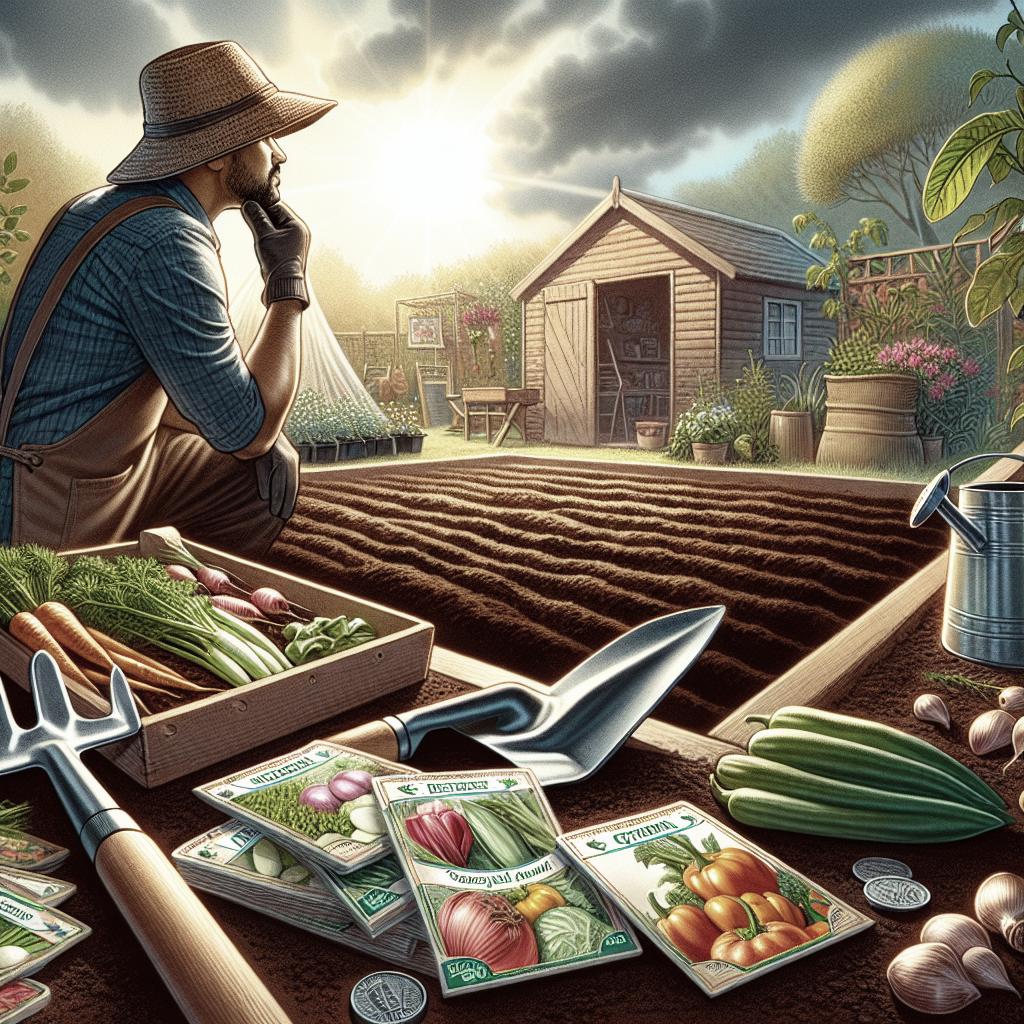
As summer fades into the cool embrace of autumn, gardeners need to shift their focus to preparing and enriching garden beds for the upcoming spring season. This transition period is crucial for ensuring that your garden remains healthy and productive. By cleaning up unhealthy plants, planting cover crops, and adding compost, you are setting the foundation for a bountiful spring. Additionally, important practices such as mulching and repairing garden structures play a significant role in maintaining soil health and structural integrity. No matter the size of your garden, these tips can help enhance its productivity, sustainability, and beauty. Whether you’re a seasoned green thumb or a budding enthusiast, this extensive guide will equip you with the knowledge and practical steps needed to prepare your garden for the next growing season.
About Spring Beds in the Fall
Fall is an excellent time to start preparing your garden beds for the spring. As plants slow down and temperatures drop, the soil is less likely to be disturbed by pests or diseases. During this time, you can focus on enriching the soil, improving its structure, and setting the stage for optimal plant growth. By the time spring arrives, your garden beds will be primed and ready to burst into life with strong, healthy plants.
The fall season provides an opportunity to boost the fertility of your garden soil. By incorporating amendments and organic matter, you can bolster soil nutrients and enhance its ability to retain moisture. Fall preparations also reduce the workload in spring, allowing you to focus on planting and nurturing your crops. Understanding these autumn practices lays the groundwork for vibrant, healthy gardens year-round.
How to Prepare Gardens in Fall for Spring
Preparing your garden in the fall involves several crucial steps. Beginning with cleaning up unhealthy plants and debris sets the groundwork for disease prevention. Removing spent plants helps to eliminate overwintering pests and minimizes the spread of diseases. Follow this by planting cover crops, which protect and enrich the soil.
Adding compost is another essential step, as it introduces valuable nutrients and improves soil structure. If you’re in a region conducive to growing garlic, planting them in the fall can lead to a fruitful harvest come summer. Each task contributes towards transforming your garden into a haven for new growth when spring arrives.
Gardening tips, videos, info and more delivered right to your inbox!
Staying informed about gardening practices can radically transform your approach and results. Engaging with gardening communities and subscribing to newsletters can keep you up-to-date with the latest tips and tricks. Consider signing up for newsletters that offer seasonal advice and curated gardening content tailored to your needs.
Videos and online platforms can be a tremendous resource for visual learners. Whether it’s a tutorial on creating cloches or understanding different garlic varieties, having access to a well-spring of information aids in making informed decisions about garden management and enhancement.
1. Clean up unhealthy plants.
The first step in fall garden preparation is cleaning up unhealthy plants. This means removing dead, diseased, or pest-ridden plants to prevent problems from carrying over into the next growing season. This practice is particularly important for crops that have shown signs of disease or pest infestation during the summer months.
By thoroughly cleaning out your beds, you reduce the chances of diseases such as mildew or blight reoccurring. It’s advisable to avoid composting these plants, as the pathogens may survive and reintroduce into your garden. Ensure you dispose of them correctly, aiding in overall garden hygiene and health.
2. Plant a cover crop.
Cover crops, sometimes known as “green manure,” are planted primarily to benefit the soil and not necessarily to be harvested. They are an essential component for fall gardening and are sown after the main crops have been harvested. Cover crops like clover, vetch, or rye can suppress weeds, improve soil structure, and add nutrients through nitrogen-fixing bacteria associated with leguminous plants.
Allowing cover crops to grow through the fall and winter stabilizes the soil, preventing erosion caused by wind and rain. In the spring, these crops can be tilled back into the garden beds, enriching the soil with organic matter that improves fertility and moisture retention.
3. Add compost to your beds.
Fall is an ideal season to amend your garden soil with compost. Adding a layer of well-decomposed compost will not only enhance soil fertility but also improve its structure by enabling better water retention and aeration. Compost is teeming with beneficial microbes that break down organic matter, converting it into plant-available nutrients.
Even if you don’t have your own compost, sourcing it from a local supplier can be equally beneficial. Apply a generous layer over the garden bed and lightly work it into the topsoil. This addition prepares the beds with slow-releasing nutrients that will sustain plant growth throughout the next season.
4. Plant garlic.
Garlic is a popular autumn planting choice due to its long growing timeline that culminates in mid-summer. By planting garlic cloves in the fall, they establish roots during the cooler months and resume vigorous growth as the weather warms, ultimately yielding larger and more robust bulbs.
Hardneck garlic
Hardneck garlic varieties are known for their strong flavors and the production of flower stalks known as scapes. These are often prized by gourmet chefs for their pronounced taste. In colder regions, hardneck varieties often perform better, tolerating severe winter conditions while developing complex flavors.
Softneck garlic
Softneck garlic is typically favored in milder climates. Known for its longer storage capabilities, softneck garlic lacks the flowering stalk but produces multi-layered bulbs, ideal for braiding. Despite their preference for warmer climates, softneck varieties can still be grown successfully in diverse regions.
5. Wait until the first frost to harvest Brussels sprouts and kale.
While most crops are harvested before the first frost, Brussels sprouts and kale benefit from the cold. Frost tends to improve their flavor profile, making them sweeter and more palatable. This is because cold weather triggers a chemical response in the plants, increasing the concentration of natural sugars.
Waiting for a frost doesn’t compromise plant integrity; instead, it enhances your seasonal culinary experiences. Keeping an eye on the weather forecasts enables you to time your harvest perfectly, ensuring you reap the most flavorful produce possible.
6. Mulch exposed soil.
Mulching is an effective way to protect your garden beds from winter’s harshness. Applying a thick layer of organic mulch like straw, leaves, or wood chips helps buffer against extreme temperature fluctuations. Mulch insulates within the garden, preventing soil erosion, retaining moisture, and suppressing weed growth.
A well-mulched bed is better equipped to sustain a rich population of beneficial microbes throughout the winter. As the mulch decomposes, it integrates into the soil, enhancing its fertility. Proper application ensures your garden’s foundation remains robust and ready for springtime planting.
7. Inspect and repair damaged boards and corners.
Fall is an optimal time to inspect raised beds and garden borders for signs of wear and damage. Addressing these issues now prevents small problems from ballooning into more significant concerns. Ensuring that boards and corners remain intact supports the garden’s structural integrity, vital for efficient garden management.
Use weather-resistant materials for repairs to withstand seasonal variability. Regular maintenance during these off-peak seasons saves time and effort, keeping your garden organized and optimal as you transition from one growing season to the next.
8. Add cloches or cold frames.
Cloches and cold frames provide an effective layer of protection for your plantings during the cold months, acting as mini-greenhouses that trap heat and shield from frost. They’re especially useful for starting seeds early or extending the growing season of certain crops like lettuce and spinach.
Building or placing these structures over your garden beds offers a nurtured environment where young plants can thrive despite external temperatures. Implementing these aids adds versatility to your gardening practices, maximizing space and optimizing growing conditions.
9. Tidy paths.
Tidy garden paths contribute to the overall appeal and ease of navigation in your garden. Removing fallen debris, replenishing path materials, and addressing any weed growth keep the paths clear and aesthetically pleasing. Tidy pathways complement the orderly environment necessary for efficient gardening.
Well-managed garden paths also reduce the spread of pests and diseases by preventing their transition through the garden. Clean paths enhance the overall gardening experience, creating a harmonious balance between spaces dedicated to growth and movement.
10. Set up new beds for springtime.
Autumn is the perfect time to establish new garden beds. By setting the framework now, there’s ample time for the soil to settle and microbe populations to develop before new plantings. This proactive approach also allows for thorough planning, ensuring each new bed is positioned for optimal sunlight and access.
Consider incorporating raised beds if you haven’t already; they provide excellent drainage and control over soil conditions. Preparing new beds ahead reduces springtime workload, allowing for immediate focus on planting and cultivating.
Autumn is here
As the autumn winds usher in cooler days, there is an air of preparation amongst gardeners. By prioritizing garden maintenance and enrichment tasks now, you pave the way for a thriving spring garden. Simple yet effective practices ensure that the soil remains fertile and ready for the resurgence of life in the following season.
Embrace the changes that autumn brings. Preparing garden beds encourages mindfulness and appreciation for the cycle of growth and rest. By optimizing this time, you become an active participant in the nurturing process, framing the seasons as continuous phases of effort, reward, and renewal.
About the Author
Sarah Lambert, an experienced copywriter with a degree in journalism, has built a steady career in national media as an editor-in-chief. Her expertise lies in coordinating editorial teams and managing complex projects. Sarah has a keen interest in psychology and popular culture, reflected in her writing style that makes complex subjects accessible to a wide audience. Aspiring to further advance in editorial management, she remains attentive to emerging digital trends, striving to inspire, educate, and influence through her work.
Summary of main points
| Task | Details |
|---|---|
| Clean up unhealthy plants | Remove diseased or pest-ridden plants to prevent future issues. |
| Plant a cover crop | Use cover crops to improve soil structure and nutrients. |
| Add compost to your beds | Incorporate compost to enrich soil with nutrients and microbes. |
| Plant garlic | Garlic establishes strong roots in fall for a mid-summer harvest. |
| Wait until the first frost | Improves flavor of Brussels sprouts and kale. |
| Mulch exposed soil | Protects against temperature fluctuations and erosion. |
| Inspect and repair | Fix garden structures to maintain structural integrity. |
| Add cloches or cold frames | Use to protect and extend growing seasons for crops. |
| Tidy paths | Enhances garden aesthetics and prevents pest spread. |
| Set up new beds | Prepares for immediate planting and reduces springtime workload. |
“`