“`html
Attracting and Supporting Local Wildlife in Your Garden
Creating a garden that invites and supports local wildlife is a rewarding experience that benefits both the environment and your personal enjoyment of nature. By making a few strategic changes, you can transform your outdoor space into a thriving habitat for birds, bees, butterflies, and other animals. This blog post will guide you through the steps necessary to attract and support native wildlife in your garden, covering the importance of doing so, how to assess your garden’s potential, and practical tips for sustaining a wildlife-friendly environment all year round. Embrace the power of nature and learn how your backyard can become a sanctuary for a diverse array of creatures.
Why attract native wildlife?
Encouraging native wildlife to flourish in your garden is not only an environmentally friendly endeavor but also a way to enhance local biodiversity. Native species often struggle to find food and habitat as urbanization encroaches on their natural environment. By creating a supportive environment in your backyard, you help maintain ecological balance, which is crucial for pollination, pest control, and seed dispersal.
Aside from ecological benefits, attracting native wildlife to your garden enriches your own experience of nature. Witnessing a variety of birds, insects, and small animals in their natural settings can provide a sense of peace and a deeper connection to the environment. Moreover, a thriving wildlife haven is a great way to educate children and visitors about the importance of conservation and the role we can all play in supporting local ecosystems.
Steps involved in creating a backyard for native wildlife
1. Assess your backyard
The first step to creating a wildlife-friendly garden is to thoroughly assess your current outdoor space. Consider the layout, existing plants, and available resources. Identify any particular features that could serve as natural habitats or resources, such as trees, bushes, or sources of water. Take note of sun patterns and shade areas, as these will impact the types of plants you can successfully grow.
It is also important to note which wildlife species currently visit your garden. This could be an array of birds, small mammals, insects, or reptiles. By understanding what already exists, you can determine how to build on this foundation to attract additional species. Setting up a wildlife camera can also provide valuable insights into nocturnal creatures you might otherwise miss.
2. Identify potential hazards
While assessing your garden, keep an eye out for any potential hazards that could harm wildlife. This includes checking for open drains, overly exposed areas prone to predators, and any traps or debris that might cause injuries. Ensure that fencing is wildlife-friendly, allowing for the passage of small animals if necessary.
Domestic pets, like cats and dogs, can also pose a threat to wildlife, especially birds and small mammals. Consider ways to keep pets separate from wildlife-heavy zones, such as installing pet-proof barriers or choosing specific areas of the garden for wildlife activities. Promoting a safe environment is key to encouraging more visits from local species.
3. Incorporate native plants and vegetation
Native plants are integral to attracting local wildlife, as they provide the natural food and habitat that the native species are adapted to use. Involve a variety of trees, shrubs, flowers, and grasses that bloom at different times of the year to ensure a continuous supply of resources. Consult with local nursery experts or conduct research to determine which native plants are most suitable for your area.
Using native plants can also improve the soil quality and help conserve water, as these species are pre-adapted to local climate conditions and require less maintenance. This creates a balanced environment that supports a multitude of creatures, from pollinators like bees and butterflies to birds and small mammals that feed on the plants or their fruits.
4. Provide a water source
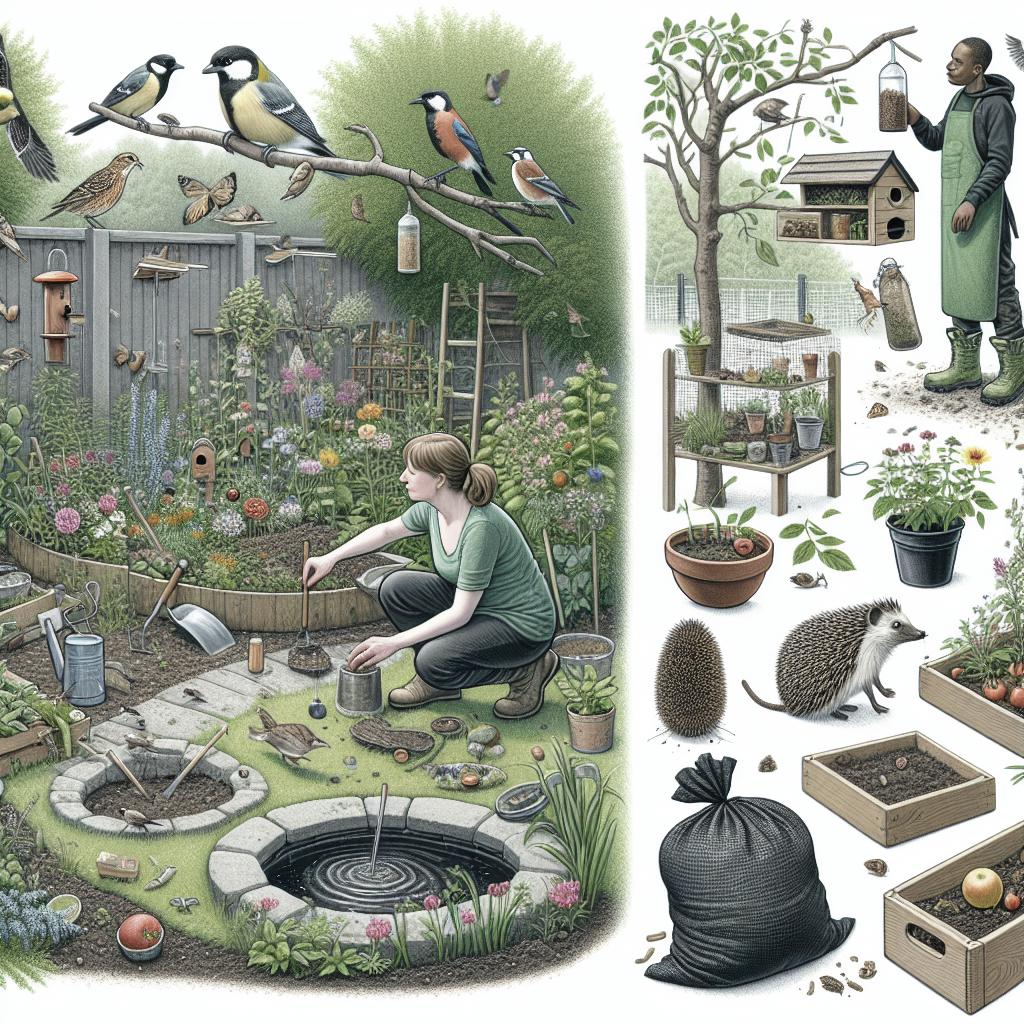
Water is a crucial element for sustaining wildlife in your garden. Consider different options such as birdbaths, small ponds, or shallow dishes placed in shaded areas. These can attract a variety of species, from birds and amphibians to insects and reptiles, all of which rely on water for survival and reproduction.
Ensure that water sources are clean and safe. Regularly change the water to prevent the breeding of mosquitoes and the spread of disease. Adding stones or branches within water features can serve as perches or escape routes for smaller creatures. A fountain or small flow feature can enhance your garden’s ambiance while keeping the water oxygenated.
5. Build habitats and shelters
Creating specific structures and areas to serve as habitats and shelters will make your garden more appealing to wildlife. Birdhouses and bat boxes provide nesting areas for birds and insect-eating bats, while piles of logs, leaves, or rocks can offer a comfortable home for insects, amphibians, and small mammals.
Consider adding a hedgerow or thicket for animals to use as natural corridors and hideaway spots. Additionally, leaving some areas of the garden untouched and allowing them to grow wild can create essential refuge spaces. By providing varied and layered habitats, your backyard can become a safe and welcoming environment for all types of fauna.
6. Avoid the use of harmful chemicals
Many chemically-laden garden products can be detrimental to wildlife. Pesticides, herbicides, and even certain fertilizers can poison the creatures you hope to attract, either directly or by contaminating the plants and insects they feed on. Opt for organic or natural alternatives, and practice integrated pest management methods like manual removal or introducing predator insects.
Soil health is vital for sustaining a wildlife-friendly garden. By reducing chemical use, you promote a richer and more dynamic ecosystem in the soil, which benefits all garden inhabitants. Composting is a natural way to enrich soil health and reduce chemical reliance, creating a thriving environment supportive of both plants and wildlife.
Wildlife friendly all year long
Sustain your wildlife-friendly garden throughout the year by adapting to the changing needs of the seasons. In spring and summer, focus on planting and maintaining abundant food sources as wildlife activity peaks. This is also the best time for planting new native species and ensuring water sources are plentiful.
As autumn arrives, let leaves fall and form natural mulch to provide shelter and nourishment for various insects and microorganisms. In winter, maintain feeders and water sources to support birds and other animals when resources are scarce. By observing your garden throughout the year, you can respond effectively to new challenges and ensure that wildlife continues to thrive.
Summary of main points
| Category | Description |
|---|---|
| Importance | Enhances biodiversity and ecological balance; enriches human-nature interaction |
| Assess Backyard | Identify existing features and wildlife; assess sunlight, resources, and landscaping |
| Identify Hazards | Restrict potential threats, including pets; remove harmful obstacles |
| Native Vegetation | Use native plants for natural food and habitats; improve soil and water conservation |
| Water Sources | Include clean and safe options like birdbaths; maintain and refresh regularly |
| Habitats and Shelters | Build structures like birdhouses; create natural hiding spots with foliage and debris |
| Avoid Chemicals | Choose organic alternatives; promote soil health with natural composting |
| Year-long Adaptation | Adapt strategies to seasonal changes; ensure food and shelter are present |
“`