
“`html
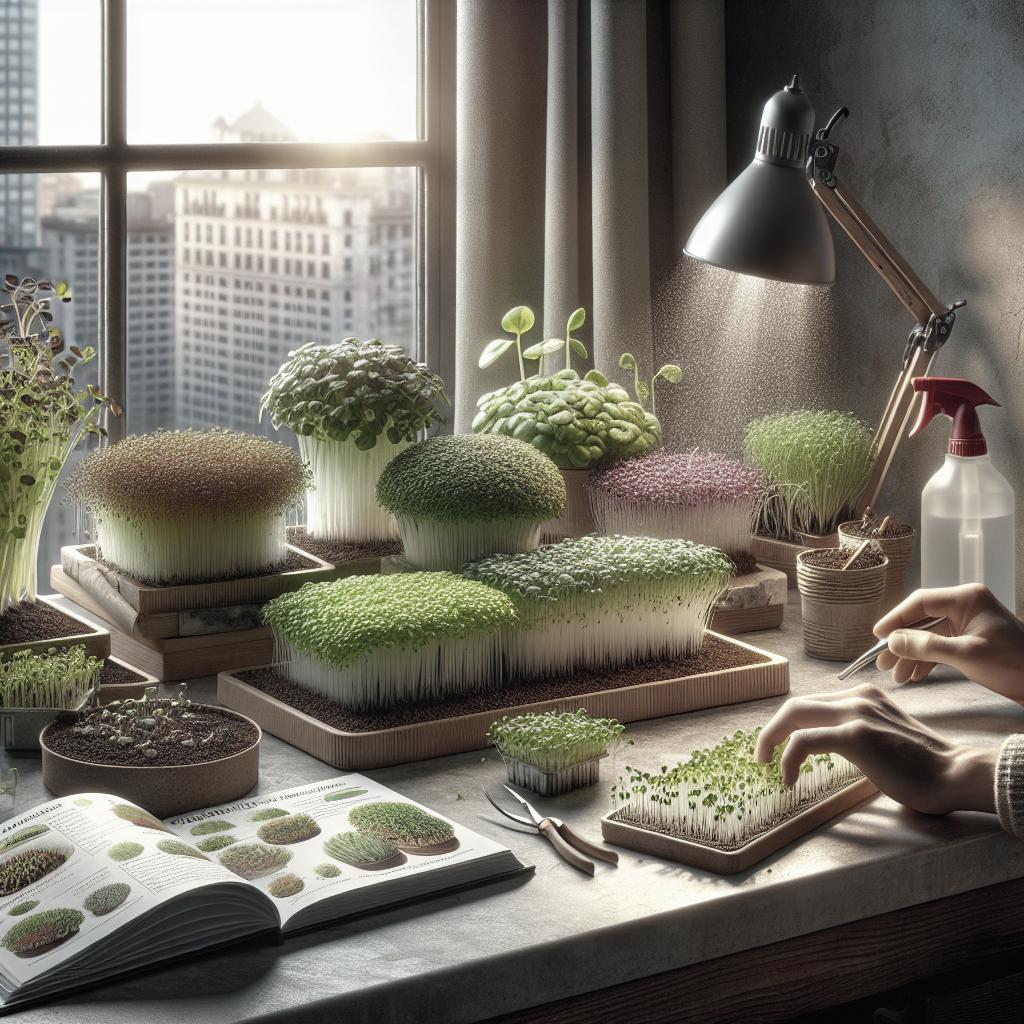
Cultivate Your Indoor Microgreens Garden
Microgreens are a simple and delightful way to bring fresh greens into your home. Perfect for urban dwellers and gardeners alike, cultivating microgreens indoors ensures that you have a steady supply of these nutrient-packed greens at your fingertips. This guide explores everything from the basics about what microgreens are and why you’d want to grow them, to detailed steps for starting your own microgreens crop indoors. With an exploration of seed options and growing techniques, this blog will empower you not only to add a burst of nutrition to your meals but also to enjoy the ease and satisfaction of growing your own microgreens at home.
Growing Microgreens at Home is Easy
The beauty of growing microgreens at home lies in their simplicity and convenience. Unlike outdoor gardening, microgreens can be cultivated with minimal space and effort. Whether you reside in a tiny apartment or a spacious home, these little greens can fit seamlessly into any living environment.
Microgreens are known for their rapid growth cycle, often ready to harvest in as little as two weeks. This quick turnaround allows you to experiment with different varieties without a long-term commitment. Additionally, because you’re growing them indoors, you have complete control over the growing conditions, ensuring a consistent yield regardless of the season.
What are Microgreens?
Microgreens are the young seedlings of edible vegetables and herbs. They are harvested shortly after the first leaves emerge, a stage known as the cotyledon phase. Their flavours are often more intense and concentrated than their mature counterparts.
Despite their small size, microgreens are packed with nutrients, offering a surprising amount of vitamins, antioxidants, and minerals. They’re a great option for those looking to enhance their diet with a boost of healthy greens.
Why Grow Microgreens?
Growing microgreens is beneficial for those seeking a fresh, immediate source of nutrition. Not only do they enhance the visual appeal of dishes, but their concentrated flavors can elevate the taste profile of meals.
Additionally, cultivating microgreens is an accessible and sustainable practice. Indoor conditions allow for year-round growth, reducing dependency on pre-packaged store options that often have a far larger carbon footprint.
Crops for Home Microgreens
Vegetable Seeds for Microgreens
Common vegetable seeds for microgreens include radish, beet, and broccoli. These vegetables produce vibrant and flavorful microgreens that are a favorite among home gardeners.
Herb Seeds for Microgreens
Herbs like basil, cilantro, and dill make excellent microgreens. Their fragrant and aromatic qualities make them a popular choice for culinary enthusiasts and chefs alike.
Flower Seeds for Microgreens
Some edible flowers, such as nasturtiums, can also be grown as microgreens. They add a splash of color and unique flavors, ranging from spicy to sweet, to dishes.
Field Crop Seeds for Microgreens
Crops such as wheatgrass are often used as microgreens. Wheatgrass is especially popular for juicing due to its high nutrient content.
Microgreen Seed Mixes
For those who enjoy a medley of flavors, microgreen seed mixes offer a combination of different seeds that can be grown together, providing variety in a single tray.
Buying Microgreen Seeds
When purchasing seeds for microgreens, opt for organic and non-GMO seeds to ensure the highest quality and safest consumption. These seeds are available from many online retailers and local garden stores.
Keep an eye out for seeds marketed specifically for microgreens, as these are often pre-treated to hasten the growth process, making cultivation even more straightforward.
First Microgreen Crop? Give Peas a Chance
If you’re new to growing microgreens, starting with pea shoots is a great choice. Peas are robust and forgiving, making them ideal for beginners while still providing impressive yields.
Pea microgreens are rich in protein, making them a wonderful addition to salads and stir-frys. Their sweet and tender shoots make them a favorite among microgreen enthusiasts.
How to Grow Microgreens at Home
Choose a Location to Grow Microgreens
Select a bright spot in your home where natural light can reach the microgreens. A sunny windowsill or countertop near a window often works best.
Supplies for Growing Microgreens Indoors
You’ll need shallow trays, potting soil, water, and seeds. Optional items include grow lights and a spray bottle for misting the young plants.
How to Plant Microgreens
Start by filling the tray with a layer of potting soil, then evenly spread the seeds over the top. Gently press them into the soil, cover lightly, and water thoroughly.
Pea Microgreens Step by Step
Place pea seeds in a jar with water and soak overnight. Drain and scatter seeds evenly on soil. Cover them lightly with a thin layer of soil before watering.
Location for Microgreens
Keep the trays in a warm, well-lit location. A lighting period of about 12-16 hours per day promotes optimal growth.
Growing Your Microgreen Crop
Water regularly to keep the soil moist but not waterlogged. Once the microgreens begin to grow, adjust light exposure as necessary.
Harvesting Microgreens
Harvesting Pea Shoots
Pea shoots are ready to harvest once they reach 2-4 inches tall. Use clean scissors to snip just above the soil line.
Harvesting Other Microgreens
Most microgreens are ready to harvest when they have developed a set of true leaves, usually between 7-14 days, depending on the seed variety.
Harvesting Microgreens: Here’s a Hack
To prolong shelf life, harvest in the early morning when microgreens are most hydrated. Avoid direct washing until immediately before use.
How to Store Microgreens
After harvesting, store microgreens in a sealed container in the refrigerator. For best quality, consume within 5-7 days.
Great for Gardening with Kids
Microgreens present a fun, educational, and quick gardening project for kids. They offer a hands-on learning experience about plant growth and nutrition.
Engaging children in growing microgreens can inspire healthy eating habits and provide a sense of accomplishment as they watch their crops grow.
Microgreens on the Menu
Microgreens can be a versatile addition to a myriad of dishes. From sandwiches and wraps to garnishing soups, they enhance the flavor and nutritional profile of any meal.
They’re also perfect for smoothies and juices, adding a fresh, mild flavor and a powerhouse of nutrients to your diet.
FAQ: Growing Microgreens Indoors
Do you have questions about growing microgreens indoors? Here are some commonly answered inquiries to guide your gardening journey.
What’s the most beginner-friendly microgreen to start with? Pea shoots and radishes are highly recommended for newcomers to microgreens.
Find This Helpful?
If this guide has inspired you to explore the world of microgreens, share your experiences or any additional questions you have about indoor gardening with your community online.
Your feedback and queries can further enhance this journey, fostering a growing community of microgreen enthusiasts.
More Indoor Food Garden Ideas
Articles and Interviews
Explore more articles and expert interviews focused on indoor gardening techniques and expanding your edible plant repertoire.
Courses: Edible Gardening
Interested in deepening your gardening skills? Consider joining a course focused on edible gardening to learn from professionals.
Edible Gardening Consultation
If personal guidance suits you better, avail of an edible gardening consultation. Gain personalized strategies to optimize your urban gardening experience.
| Section | Content Summary |
|---|---|
| Growing Microgreens at Home is Easy | Simplicity and accessibility of indoor microgreen gardening. |
| What are Microgreens? | Definition and nutritional benefits of microgreens. |
| Why Grow Microgreens? | Advantages including nutrition, flavor enhancement, and sustainability. |
| Crops for Home Microgreens | Different seeds available: vegetables, herbs, flowers, field crops, and mixes. |
| Buying Microgreen Seeds | Tips on purchasing seeds and ensuring quality. |
| First Microgreen Crop? Give Peas a Chance | Recommendations for pea shoots as an ideal starter crop. |
| How to Grow Microgreens at Home | Steps to grow including location, supplies, and planting method. |
| Harvesting Microgreens | Techniques for harvesting and storing microgreens efficiently. |
| Great for Gardening with Kids | Microgreens as an educational project for children. |
| Microgreens on the Menu | Culinary uses and ways to integrate into daily meals. |
| FAQ: Growing Microgreens Indoors | Common questions addressed about indoor microgreen cultivation. |
| Find This Helpful? | Encouragement to engage and share within the gardening community. |
| More Indoor Food Garden Ideas | Additional resources including articles, courses, and consultations. |
“`
