“`html
Methods for Reducing Garden Waste
Reducing garden waste is not only essential for maintaining a clean environment but also for promoting sustainable practices in gardening. This article explores various strategies to minimize waste, organized under different transformative approaches: reducing, reusing, and recycling. We will start by examining methods to reduce lawn waste, then explore ways to manage yard and garden refuse effectively. Additionally, we will look at upscale ideas and recycling opportunities for garden waste, ensuring your green space remains efficient, eco-friendly, and beautiful. By adopting these methods, you can make a considerable impact on the environment while enjoying a thriving garden. Join us as we delve into insights and guidelines to help you revolutionize your gardening practices.
Ways to Reduce Lawn Waste
When it comes to lawn maintenance, adopting environmentally friendly practices can significantly cut down waste. One effective way to reduce lawn waste is through proper mowing techniques. By allowing your grass to grow slightly longer, you can reduce the frequency of mowing, leading to less waste generated. Additionally, use a mulching mower to finely chop the grass, which can be left on the lawn as a natural fertilizer. This not only eliminates grass clippings waste but enriches the soil and enhances lawn health.
Another crucial aspect is the management of lawn watering. Overwatering not only contributes to water wastage but also promotes rapid grass growth, leading to more frequent mowing. By watering deeply but less frequently and opting for smarter irrigation systems, you can reduce the amount of grass waste produced. Similarly, adopting native grass varieties that require less maintenance and naturally thrive in your region’s climate can drastically cut down excess waste.
Ways to Reduce Yard and Garden Waste
Reducing yard and garden waste begins with mindful planning of the landscape. Choosing plants that naturally complement each other and require similar maintenance schedules can reduce the frequency and volume of waste generated. Furthermore, practices such as “no-dig” gardening help maintain soil structure and reduce the volume of green waste, as you don’t have to frequently pull out and move plants.
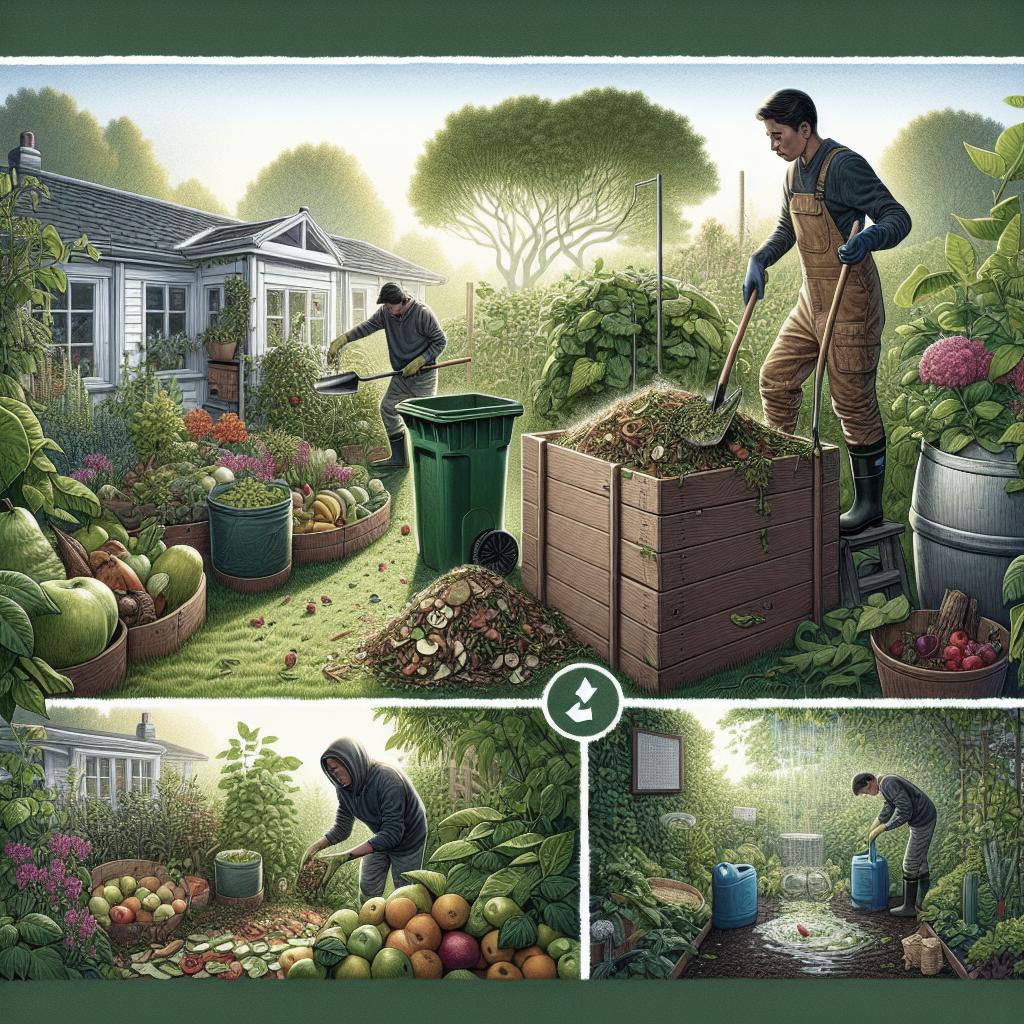
Incorporating composting into your garden routine is another efficient strategy. Composting not only diverts organic waste from landfills but creates nutrient-rich soil that can enrich your garden beds. Ensure to compost items such as fruit peels, coffee grounds, and garden trimmings. By utilizing compost, you organically improve your garden’s health while effectively managing waste.
Gardening tips, videos, info and more delivered right to your inbox!
Staying informed with the latest gardening techniques and waste management practices is crucial for any modern gardener. Subscribing to gardening newsletters or channels that provide timely tips, how-to videos, and information on waste-reduction trends can be immensely beneficial. Platforms like YouTube, dedicated gardening blogs, and forums are also rich resources for green wisdom.
Many gardening services offer subscriptions or email updates to keep enthusiasts updated on new methodologies and sustainable practices. These resources often include seasonal tips, innovative recycling ideas, and step-by-step guides to achieving a waste-free garden. Engaging with such content not only expands your knowledge but keeps you motivated to maintain sustainable gardening habits.
Recyclable Garden Ideas
Recycling in gardens can go beyond simply converting organic waste into compost. Consider using garden debris to create natural fences, trellises, or even functional sculptures that add beauty and personality to your space. By reimagining how to use waste, you can transform unused materials into decorative or practical elements.
Additionally, upcycled gardening involves reusing everyday waste materials, like turning old plastic bottles into plant containers or using broken pots for creative garden edging. These recyclable ideas not only reduce trash but can save money otherwise spent on new garden adornments while playing a part in environmental protection.
REDUCE
The practice of reducing is about minimizing the input needed for gardening tasks and thus lessening the output of waste. Using hand tools instead of power tools where possible, and selecting slow-growing plant varieties can significantly reduce the generation of yard waste. Regularly maintaining equipment to ensure efficiency and extending their usability also contributes to reducing overall waste.
Planning garden layouts with perennials rather than annuals is another reducing tactic, as they require less frequent planting and turnover. This approach also contributes to biodiversity, attracting a range of beneficial insects and birds, naturally supporting a healthier, lower-maintenance ecosystem.
REUSE
Reusing garden materials encourages creativity while conserving resources. For example, reuse fallen leaves as mulch to insulate plant beds or repurpose garden stones into a beautiful pathway or border. This ensures nothing goes to waste, reducing the need for purchasing new materials and saving money.
Another innovative reuse strategy is collecting rainwater in barrels to water your garden. Not only does this practice conserve water, but it also provides plants with naturally softer and more beneficial hydration, boosting their overall health and growth.
RECYCLE
Recycling in the garden means transforming organic waste into valuable resources. Composting kitchen and garden waste is a well-known recycling process that enriches soil health. Beyond composting, consider vermicomposting using worms to speed up decomposition and produce nutrient-rich vermicast, beneficial for a multitude of plant types.
Embrace creative recycling projects that integrate rejuvenated materials into your garden setup. Use reclaimed wood to construct raised garden beds or renovate old wooden furniture into stunning planters. Adoption of recycling not only reduces environmental impact but also enhances the charm and functionality of your garden space.
“`