
“`html
Creating a Peaceful Meditation Garden
Creating a meditation garden provides a serene escape from the hustle and bustle of daily life. In this comprehensive guide, we’ll explore how to construct your own meditation garden and the crucial elements to consider when designing it. We’ll delve into the materials, tools, and instructions needed for the creation process. Additionally, we’ll cover various garden features, such as plants and statues, and discuss their symbolic meanings and practical uses. Finally, we will present creative ideas and resources to personalize your meditation oasis, ensuring it serves as a peaceful sanctuary for introspection and tranquility.
How to Create a Meditation Garden
Materials
The first step in crafting a meditation garden is gathering the necessary materials. You’ll need a combination of natural and man-made elements. Consider using stone, wood, gravel, and sand as the primary components. For plants, look into varieties that thrive in your local environment and require minimal maintenance.
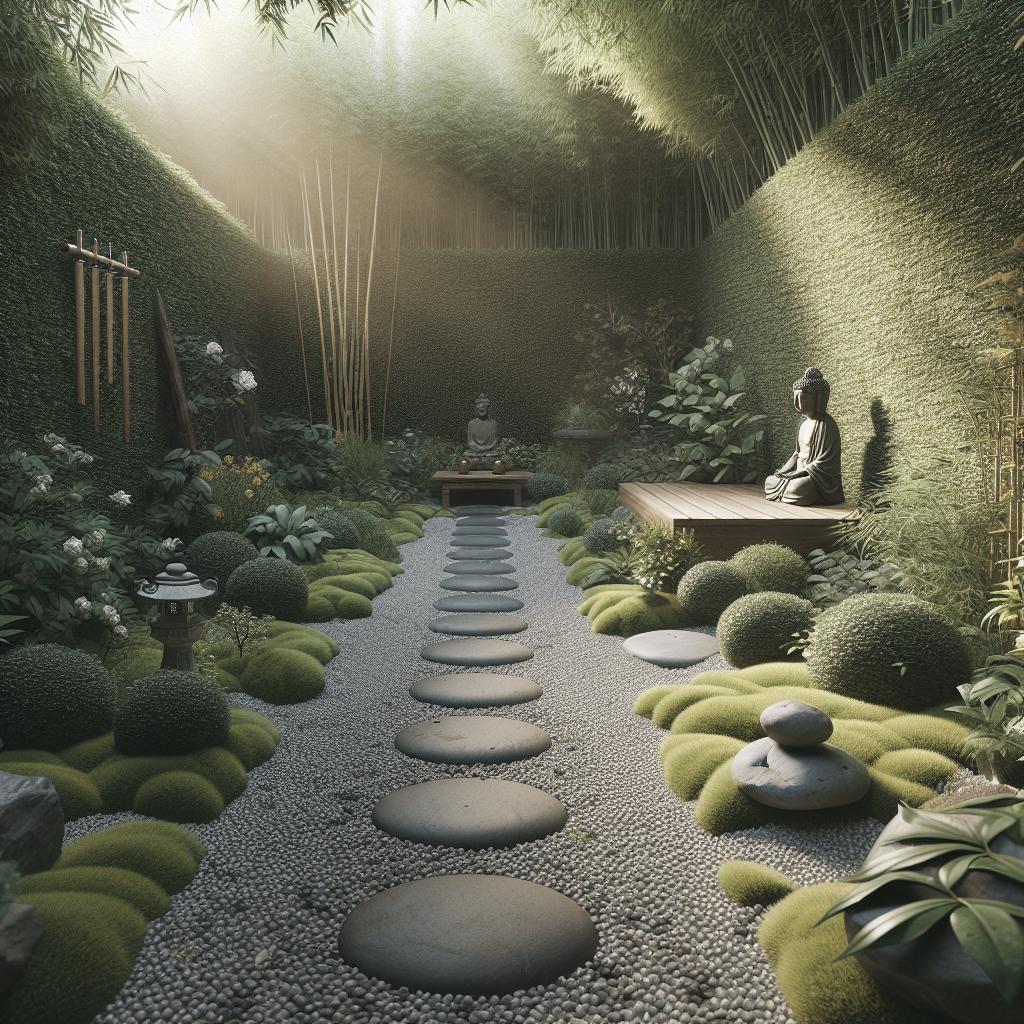
Incorporate aesthetic items such as ornamental lanterns, garden statues, and wind chimes. These elements not only enhance the visual appeal but also contribute to the ambiance of your garden. Always prioritize quality and durability in your materials to ensure that your meditation garden stands the test of time.
Tools
Equipping yourself with the right tools is vital for the successful execution of your meditation garden. Basic gardening tools like shovels, hoes, and trowels will be essential. Securing a wheelbarrow may also prove useful for transporting materials across your yard with ease.
You might also require specific tools for setting up hardscape features. For instance, a level and a rubber mallet can aid in placing stones or tiles accurately. Safety gear such as gloves and eye protection is equally important, especially when handling heavy or abrasive materials.
Instructions
Start by sketching a plan that outlines the layout and elements you want in your meditation garden. This plan should include the placement of paths, plants, and any desired water or seating features. Smooth out the intended area, ensuring the base is even for easy arrangement of the elements.
Next, assemble the core structures like pathways and boundaries using your selected materials. Then, position your plants strategically, either around relaxing nooks or to frame certain views. Enhance the sensory experience by adding water features or wind chimes at varying intervals to harmonize with nature.
Notes
While plants and aesthetics are vital, remember that the essence of a meditation garden is tranquility and focus. Keep pathways uncluttered and select plants that will not overgrow into the meditative areas. You want maintenance to be minimal to allow for an unencumbered experience.
Be mindful of the sun’s path throughout the day. Placing seating or gathering spots in areas that offer shade during peak hours can make your garden more comfortable for longer meditation sessions.
Recommended Products
Investing in high-quality items can profoundly enhance your meditation garden. Look for sustainably sourced products such as recycled stone statues and solar-powered lanterns. It’s also worth considering plants sold by local nurseries that are well-adapted to your climate.
Beyond materials, consider eco-friendly solutions like organic fertilizers or pest repellents, which nurture the environment as you cultivate your peaceful haven.
Small meditation garden ideas
For those with limited space, creating a small meditation garden can be just as impactful. Focus on vertical gardening techniques, incorporating climbing plants or hanging planters that add greenery without consuming valuable ground space.
Use minimalist designs to keep the area from feeling overwhelmed or crowded. A single bench or a couple of cushions can provide enough seating for a peaceful retreat. The essential point is to maintain a balance that invites calm and quiet introspection.
Features of a meditation garden – the five elements
The element earth – Meditation garden plants
Bonsai plants and good luck plants in meditation gardens
Bonsai trees embody the essence of patience and art, making them a popular choice for meditation gardens. Their delicate forms and nurturing requirements provide a metaphor for growth and tranquility.
Incorporating plants believed to bring good luck, such as bamboo or money trees, adds an element of positive energy. These add a distinct narrative layer that complements both aesthetic and spiritual objectives.
The element wood – Meditation benches and seating
Wooden features provide warmth and natural beauty to a meditation garden. Benches crafted from sustainably sourced wood can blend seamlessly into their surroundings, offering a sturdy yet inviting space for rest and meditation.
Consider ergonomic designs that support comfortable postures for long periods, ensuring that the seating aligns with the meditative intent of the garden.
The element metal – Windchimes in a meditation garden
Metal wind chimes introduce a gentle auditory element that enhances the serene atmosphere. Their tones vary in pitch and texture, offering subtle background music that aids concentration and calm.
Select chimes crafted from materials such as brass or aluminum, known for their durability and pleasant sound. Carefully position them to catch gentle breezes that produce an unobtrusive melody.
The element fire – Why are lanterns used in Japanese meditation gardens?
Lanterns play a pivotal role in Japanese gardens, symbolizing enlightenment and guidance. Their soft glow during twilight hours provides a meditative ambiance, fostering reflection and peace.
Opt for lanterns powered by renewable sources like solar energy. This not only respects the environment but also aligns with the themes of harmony and balance inherent in meditation practices.
Using the element water in meditation gardens
Water features such as fountains or small ponds introduce the soothing sounds of flowing water, which are known to promote relaxation and focus. The reflective quality of water can also aid in meditation by inviting contemplation and introspection.
Ensure that water systems are sustainably managed, using recirculating pumps which minimize waste and maintain a peaceful, consistent flow.
Why are altars used in meditation gardens?
Altars in meditation gardens serve as focal points for prayer, meditation, and reflection. They are often adorned with meaningful objects such as statues, crystals, or artifacts, each carrying personal or spiritual significance.
Position your altar in a prominent yet private part of your garden, where it can inspire and guide your meditation practice amid nature’s backdrop.
Why do meditation garden use statues?
Statues, typically depicting spiritual deities or symbols, are central to many meditation gardens as they provide inspiration and serve as reminders of one’s beliefs or intentions.
Carefully choose and place statues that resonate with your spiritual journey, situating them within sight lines where they offer encouragement during your meditations.
Winding paths in meditation gardens
A winding path invites you to wander and explore, providing both physical engagement and mental relaxation. It can be designed to create a journey-like experience, allowing time for introspection and discovery along the way.
Paths can be composed of stone, gravel, or sand, each contributing a different tactile and visual experience. Ensure the pathway loops seamlessly, providing a constant flow that aligns with meditative walking practices.
Where can I purchase supplies for a mediation garden?
Supplies for a meditation garden can be sourced from a variety of places. Local nurseries offer native plants, ensuring they are well-suited for your garden space. Hardware stores provide the tools and equipment needed for construction and maintenance.
Consider supporting environmentally responsible retailers for decor and furniture, keeping sustainability at the forefront of your purchasing decisions. Online platforms also offer a wide range of materials and products, often with customer reviews that provide insight into quality and performance.
Pin this post for meditation garden ideas
Creating A Sanctuary
Cultivating a meditation garden is a deeply personal endeavor, aligning your external environment with your spiritual and meditative needs. This sanctuary is not only about aesthetics but also about creating harmony and invoking nature’s inherent calm.
Let your garden reflect your journey, shaping it with elements that carry personal significance and support your practice. In doing so, your garden transforms from a mere space to a profound extension of your spiritual self.
Additions To Make Your Meditation Garden Unique
Every garden has the potential to be distinct through thoughtful additions. Consider incorporating a personal touch like a handcrafted mosaic, native art pieces, or personalized soundscapes.
Introduce flora that attracts birds or beneficial insects to further engage with nature, bringing an element of living vibrancy that continuously interacts with the space.
Share this post about creating a mediation garden on Twitter.
If you found this guide helpful, spread the word about creating a peaceful meditation garden among your social circle. Share tips, ideas, or images of your own sanctuary to inspire others.
Engagement on platforms like Twitter not only builds a community of mindfulness enthusiasts but also helps propagate the benefits of meditative practices integrated into everyday life.
Final thoughts
| Aspect | Details |
|---|---|
| Materials | Stone, wood, gravel, sand, plants, aesthetic items |
| Tools | Basic gardening tools, level, rubber mallet, safety gear |
| Features | Earth (plants), Wood (seating), Metal (wind chimes), Fire (lanterns), Water |
| Elements | Bonsai and good luck plants, altars, statues, winding paths |
| Supplies Purchase Locations | Local nurseries, hardware stores, online platforms |
| Customization | Unique additions like mosaics, native art, soundscapes |
“`
