
“`html
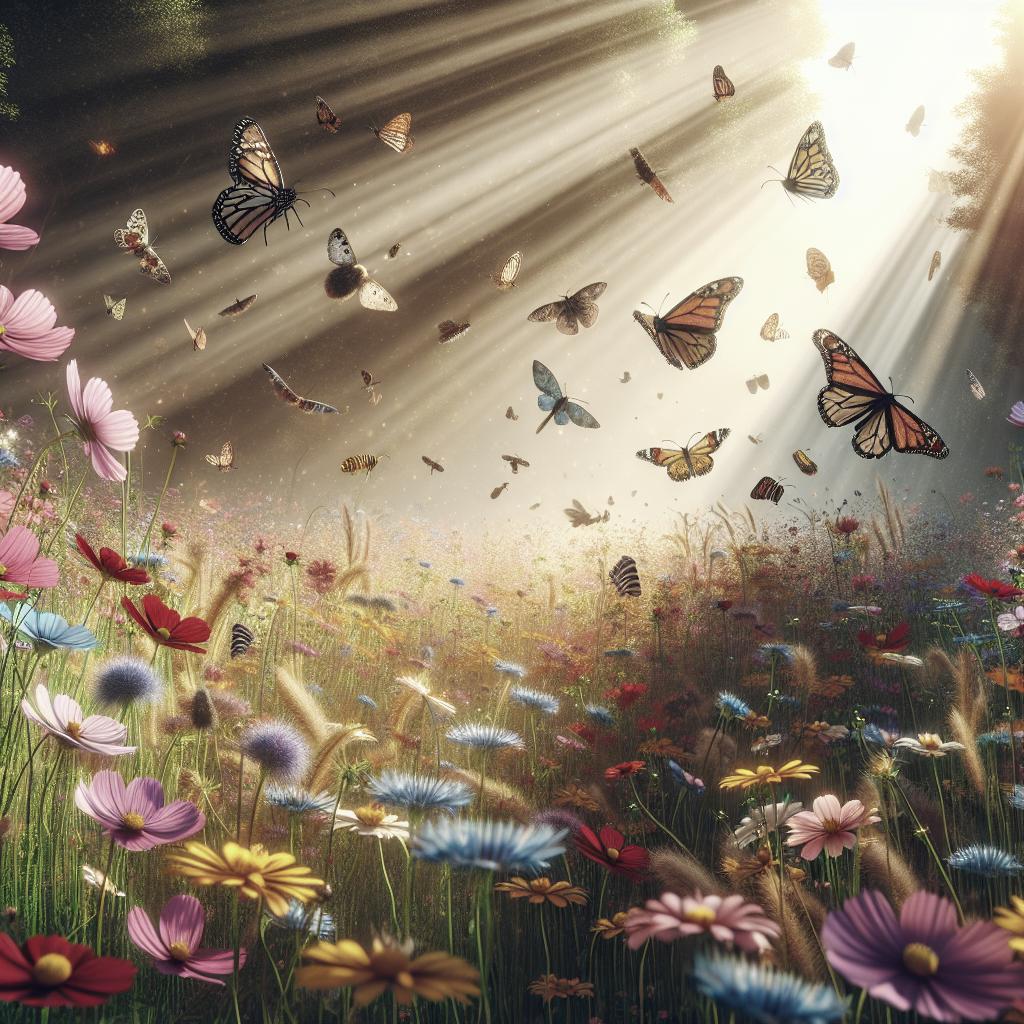
How to Start a Butterfly and Bee Friendly Wildflower Patch
Creating a butterfly and bee-friendly wildflower patch is a rewarding project that not only beautifies your garden but also supports crucial pollinators. By planning carefully, choosing suitable plants, and nurturing your garden, you can create a haven for butterflies and bees. This guide covers everything from selecting your location to the ongoing care your patch will need. Whether you’re a seasoned gardener or a beginner, you’ll find actionable insights on making your garden a vital component of ecological balance.
Written By
Sarah Lambert
Planning Your Garden
Choosing Your Location
The first step in creating a butterfly and bee-friendly wildflower patch is choosing the right location. Consider areas in your garden that receive ample sunlight, as both butterflies and bees are attracted to warm, sunny spots. Ideally, the site should be sheltered from strong winds to prevent delicate plants from damage. This protection will also shield the butterflies and bees from harsh weather conditions.
Observe different parts of your garden at various times of the day to gauge sunlight exposure. A location with at least six to eight hours of sun is optimal. Additionally, consider proximity to your water source, as convenient watering will benefit both ease of maintenance and the health of your plants.
Identifying Soil Type and Sunlight
Understanding your soil type is crucial for the success of your wildflower patch. Conduct a simple soil test to determine if you have sandy, loamy, or clay soil, as this will influence the types of plants you should select. Soil structure and pH level are important factors that affect plant health and growth.
After identifying the soil type, amend it if necessary by adding organic matter to improve texture and nutrient levels. Ensure your spot has adequate drainage to protect against root rot. Monitoring the amount of sunlight can help in selecting plants that thrive under those specific conditions, thereby enhancing the success rate of your wildflower patch.
Choosing Your Plants
Selecting the right plants for your wildflower patch entails understanding which flowers will attract butterflies and bees. Opt for native wildflowers as they are best adapted to your local climate and soil conditions and provide high-quality nectar and pollen. Consider planting a mix of annuals and perennials for consistent blooming throughout the growing season.
Some popular choices for butterfly and bee gardens include coneflowers, bee balm, milkweed, and black-eyed Susans. Not only do these flowers attract pollinators, but they also add vibrant colors and varieties to your garden. Diversity is key, as it ensures food is available for butterflies and bees throughout their active months.
Seeds vs. Plants
Deciding whether to start your wildflower patch from seeds or plants depends on your gardening experience and preference. For beginners, using nursery-grown plants can be easier and offer more immediate results. These plants are mature and well-established, reducing the initial care needed and increasing the survival rate.
Alternatively, seeds are cost-effective and offer more variety. Direct sow seeds into prepared soil for a more organic approach. Patience is required as they take longer to mature, but the reward of watching your garden grow from its beginning is gratifying. Ensure you follow seed packet instructions for the best chance of success.
Planting Your Garden
Prepping Your Garden
Before planting, prepare your garden patch by removing existing grass and weeds, which compete with wildflowers for nutrients and water. Consider using a tiller to loosen the soil, improving air circulation and root growth. Adding compost or organic mulch can enhance soil fertility and structure.
Prepping is a vital step that prevents future maintenance challenges and encourages stronger plant growth. Spend time meticulously removing unwanted vegetation, as this reduces the likelihood of pests and diseases affecting your garden in the future. Clear all debris to create a clean canvas for your planting efforts.
Planting Your Seeds or Flowers
When you’re ready to plant, follow the directions for each specific flower species. For seeds, sow them directly into the soil according to their recommended depth and spacing. Lightly pressing down the earth over the seeds ensures good contact, aiding in germination.
If you’ve opted for nursery plants, dig holes slightly larger than the root balls of each plant. Backfill and water thoroughly to eliminate air pockets and raise the moisture level around the plant roots. Each plant type may have unique spacing requirements; consult guidelines to ensure your garden will fruitfully support its residents.
Wait, Watch, Water, and Weed
Once your garden is planted, consistent care will help it flourish. Water your patch regularly, particularly during dry spells, to ensure the soil remains moist. However, take care not to overwater, which may lead to root rot. The first few weeks require frequent but gentle watering.
Weed your garden routinely to reduce competition for resources. Pull weeds by hand or use natural mulches for weed suppression. Observing your garden will grant insights into the needs of your plants and reveal early signs of pests or diseases, allowing quick intervention if problems arise.
Lessons Learned
| Step | Key Insights |
|---|---|
| Choosing Your Location | Select sunny and sheltered spots to encourage butterfly and bee visitation |
| Identifying Soil Type and Sunlight | Conduct soil tests and ensure adequate drainage for plant health |
| Choosing Your Plants | Select native wildflowers and a mix of plant types for diversity |
| Seeds vs. Plants | Seeds cost less and offer variety, while plants are easier for beginners |
| Prepping Your Garden | Remove grass and weeds, and improve soil condition with compost |
| Planting Your Seeds or Flowers | Adhere to specific planting guides for effective growth |
| Wait, Watch, Water, and Weed | Regular care and observation prevent issues and promote a thriving patch |
Story Tags
gardening, pollinator-friendly, wildflowers, butterfly garden, bee habitat
Facilities
Species-specific planting guides, organic mulches, composting facilities, local nursery suppliers
Related Stories
- The Importance of Planting Native Flowers
- Top 10 Perennials for a Pollinator Garden
- DIY Garden Crafts for Your Home
Latest Stories
- Sustainable Gardening Practices for Beginners
- How to Design a Zen Garden
- The Rise of Urban Gardening
Written By
Sarah Lambert
“`
