
“`html
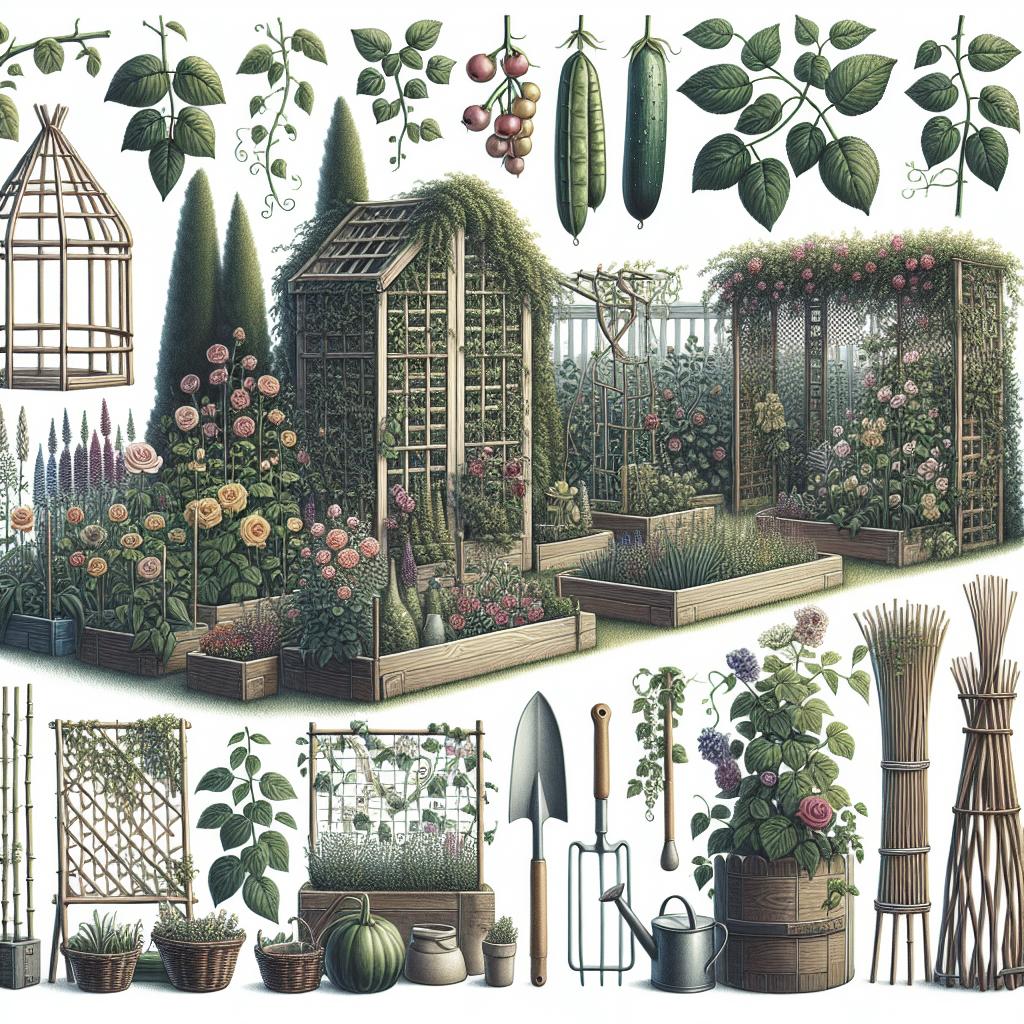
Gardens often need aesthetically pleasing and functional elements like trellises to encourage the growth of climbing plants and to maximize space. Whether you’re a seasoned gardener or a novice with a weekend project, the world of DIY trellis ideas is vast and versatile, ranging from simple structures to intricate designs that enhance your garden’s beauty. This blog post explores a variety of trellis concepts that you can create at home, using materials across different price ranges, styles, and settings. With these DIY trellis ideas, you will not only support your plants but also add a personal touch to your outdoor space.
DIY Trellis Designs
Trellises serve as a crucial component in garden design, offering both aesthetic appeal and practical benefits. They support climbing plants, create vertical gardens, and aid in effectively utilizing space, particularly in small areas. Homemade trellises can be crafted from materials like wood, metal, and even repurposed items, each providing a unique character to your garden.
Designing a DIY trellis allows for flexibility to match personal taste and garden themes. Experiment with geometric patterns, natural materials, and vibrant colors to craft a structure that not only supports plant growth but also complements your gardening style. The variety in DIY designs ensures that there’s always a trellis suitable for every skill level and garden type.
Simple DIY Cattle Panels Trellis
Cattle panels are sturdy and readily available materials that can be easily transformed into a functional trellis. These metal grids are particularly excellent for larger plants such as cucumbers and squash. They provide substantial support while also standing up to elements over time.
To create a cattle panels trellis, secure the ends of the panel into the ground, forming a stable arch or a wall against your planting area. The panels are versatile, allowing you to design vertical or arched trellises based on space availability and plant needs. This straightforward method offers excellent support with minimal materials and effort, perfect for DIY beginners.
PVC Pipe Triangular Trellis
PVC pipes are lightweight, durable, and easy to work with, making them ideal for constructing a triangular trellis. This design is perfect for supporting lightweight climbers like beans and peas, offering a modern and clean aesthetic to your garden setting.
Crafting a triangular trellis involves cutting the PVC pipes to the desired length and attaching them at the joints to form a triangle shape. Secure the structure using T-joints and elbow connectors. Painted or left plain, this trellis stands as a testament to functional and innovative garden design, easily adjustable in size and shape.
Ivy-Covered Privacy Trellis
An ivy-covered trellis can serve a dual purpose: enhancing your garden’s beauty and providing much-needed privacy. By training ivy or similar climbing plants along a trellis, you create a living wall that separates areas of your garden and provides a lush, green backdrop.
Constructing a privacy trellis is straightforward. Use wood or metal to frame a tall, flat structure and anchor it securely in the ground. As the ivy grows, guide it along the trellis framework. This type of trellis is especially useful against fences or as a standalone partition in larger gardens.
Bamboo Trellis
Bamboo is a sustainable and aesthetically pleasing material, perfect for creating natural-looking trellises. It brings an element of traditional garden design and blends seamlessly into the plant environment. Bamboo trellises are excellent for delicate plants, providing a gentle yet sturdy support structure.
To build a bamboo trellis, cut the bamboo into desired lengths and secure them together using twine or wire, forming a grid or fan shape. The natural appearance of bamboo can enhance your garden’s organic theme, adding rustic yet elegant appeal to your space.
Arched Trellis
Arched trellises are both functional and decorative, offering a welcoming entrance to any garden space. These trellises create a beautiful archway for climbing roses, clematis, or grapevines, encouraging downward growth and enhancing floral displays.
Building an arched trellis involves bending materials such as metal rods or flexible wood into an arch shape, anchoring the ends securely into the ground. Ensure the arch is tall enough to walk under and sturdy enough to support plant weight. The elegance of an archway can transform your garden into a charming retreat.
Chevron Lattice Trellis
The chevron pattern has gained popularity in modern garden design for its dynamic and stylish look. A chevron lattice trellis combines this contemporary aesthetic with traditional garden functionality, offering an exciting visual for outdoor spaces.
Constructing a chevron trellis involves cutting wood into strips and arranging them in a zigzag pattern, securing each vertex with nails or screws. This design is visually appealing and provides excellent plant support, effectively blending form and function in your garden.
Easy Planter Privacy Trellis
A planter privacy trellis integrates the benefits of container gardening with the privacy features of a trellis. This dual-purpose structure helps maximize small spaces, making it ideal for balconies or small terraces where full-size gardens aren’t feasible.
Create a planter box and attach a trellis frame to the back. Fill the planter with soil and choose plants that will climb and cover the trellis, such as jasmine or honeysuckle. This setup provides greenery, plant support, and a privacy screen, enhancing comfort and beauty in compact spaces.
Pine Trellis
Pine wood is an accessible and affordable material for constructing trellises. Its versatility in design and ease of use make it a favorite among DIY enthusiasts. A pine trellis can be easily customized in size and shape to fit your specific gardening needs.
Using pine boards, you can create a simple grid or more complex patterns. The natural light color of pine blends well with outdoor environments and can be painted or stained to match garden aesthetics. A pine trellis serves as an excellent choice for a sustainable and easy-to-build garden feature.
Fence Panel Trellis
Repurposing fence panels into trellises offers a perfect blend of utility and resourcefulness. utilizing existing materials cuts down on costs and provides an opportunity to enhance garden beauty with minimal effort. These trellises can be adapted to any garden size, adding value and function to otherwise plain fences.
Attach fence panels vertically to create a trellis, allowing climbing plants to cascade down, or use them horizontally as pergola roofs. This setup benefits privacy by supporting dense vine coverage, and it integrates seamlessly into established garden landscapes.
Seasonal Trellis
Seasonal trellises offer flexibility to change structures according to the varying needs of different plant cycles. This adaptability allows gardeners to experiment with annuals and perennials, altering the landscape to match seasonal growth patterns, creating a dynamic and ever-changing floral display.
Use materials like portable trellis grids or lightweight metal that can be easily adjusted or moved. By developing a seasonal trellis system, you can enhance plant health, encourage optimal growth, and make maintenance easier while introducing exciting varieties throughout the year.
Wooden Trellis
Wooden trellises are classic garden structures, known for their durability and timeless charm. Whether you’re opting for elegant latticework or straightforward frameworks, wooden trellises provide excellent support for climbing plants and enhance garden aesthetics with their presence.
Constructing a wooden trellis requires simple tools and can be tailored to specific dimensions, offering wide adaptability in size and pattern. Invest in weatherproof treatments to extend the life of the trellis against elements, maintaining its chic appearance for years to come.
Flower Trellis
A flower trellis is specifically designed to showcase blossoming plants, assuming an ornamental role in the garden. Ingenious use of this type of trellis magnifies floral displays, amplifies natural colors, and creates stunning visual interest against a verdant backdrop.
For a flower trellis, consider lightweight materials and ensure the design accommodates plant needs. Clustering different colors and types will yield a varied tapestry as different blooms come into and out of season, enriching the garden continuously.
Colorful Trellis
A colorful trellis adds personality and flair to gardens, transforming functional structures into vibrant focal points. By painting trellises in bright colors or applying mosaic patterns, you can significantly enhance the visual dynamics of your outdoor space.
Experiment with complementary or contrasting hues that resonate with your garden’s overall theme. Careful selection of paint ensures that the trellis remains as brilliant as the blooms it supports, becoming iconic within your natural canvas.
DIY Wooden Trellis
Diving into creating your own DIY wooden trellis allows for customization and an understanding of basic carpentry. With detailed planning and execution, you can design a trellis that fits exactly where needed, catering to specific plant support requirements and aesthetic preferences.
Gather lumber, nails, and basic tools to construct the framework and add crossbars for support. The flexibility in design lets you tweak shapes, patterns, and dimensions to align with personal and plant styles, enhancing gardening enjoyment and achievement.
Customized Wooden Trellis
A customized wooden trellis offers a bespoke structure tailored to exact gardening demands and personal aesthetics. This option opens the possibility of specialized shapes, the inclusion of unique features, and the utilization of various wood types to create distinct characteristics.
Consider aspects like trellis height, placement, and the type of wood best suited for the environment. By customizing your trellis, you ensure unique garden features that reflect individualized tastes, facilitating both form and function effortlessly.
Pergola Trellis
A pergola trellis extends the living space outdoors, creating shaded areas perfect for lounging, dining, or entertaining. This structure supports heavy climbers and acts as an important architectural element, blending into your garden layout while offering a venue for social gatherings.
Building a pergola involves setting sturdy posts and rafters, forming a canopy that encourages plant growth. Vines and chandeliers can accentuate its allure, creating an inviting environment that bridges the gap between indoor comfort and garden charm.
Affordable Chicken Wire Trellis
For a cost-effective solution, chicken wire trellises offer practicality without sacrificing quality. Their lightweight, robust nature supports an array of climbers while being simple to install, especially suited for vegetable gardens or small flower clusters.
Secure the chicken wire against poles or beams to form a simple grid. Plants like sweet peas or small tomatoes thrive well on these structures, benefiting from the airy, unobtrusive support that maximizes plant exposure and eases access during harvest.
Wooden Trellis With Portholes
Infusing creativity into trellis design, wooden trellises with portholes add unique visual interest through strategically placed openings. These portholes allow for sophisticated framing of certain plants or views, contributing distinct character and playful design to your garden.
Build a basic wooden structure and incorporate circular cut-outs within the framework. These openings not only enhance plant visibility but also contribute to a stimulating garden atmosphere that encourages exploration and engagement.
A Diamond-Patterned Trellis
The diamond pattern introduces a sense of elegance and modernity to any garden, ensuring that the trellis acts as a striking focal feature. The intersecting lattice creates angular harmony, which can complement both traditional and contemporary landscapes.
Construct this trellis by arranging wood slats into diagonal grids. Secure each intersection for stability and accommodate plant growth at peak intervals to make the most of the captivating aesthetic it offers, particularly suitable for creeping foliage and flowers.
Espalier Trellis
Espalier trellises provide a refined method of plant training, optimizing plant health and fruit production in limited spaces. Typically used for small trees and fruit-bearing plants, this style encourages growth along a plane, creating stunning structures of cultivated nature.
Install horizontal supports at intervals against walls or fences. By guiding branches along these lines, the espalier technique adapts to various designs, maximizing sunlight exposure and air circulation while generating exquisite organic art forms.
Freestanding Trellis
Freestanding trellises offer versatility and mobility, making efficient use of garden space by serving as independent plant supports. These standalone structures are crafted to the desired height and shape, allowing for placement flexibility across garden sections.
Choose durable materials like treated wood or metal for longevity and plant appropriate climbers for support. The freestanding design enables various plants to flourish, providing privacy, decoration, and a natural, movable garden element.
Triangular Trellis
A triangular trellis creates an innovative and unique framework that efficiently uses space for garden creativity. Its three-dimensional shape enhances visual appeal and supports a broad array of climbers, offering a centrally poised attraction in garden layouts.
Create by assembling three sections of similar lengths into a stable triangular shape, securing with fasteners. Consider using thick wood or stronger metal for larger structures to increase durability, making it suitable for dense foliage.
Arched Trellis
Once again, the arched trellis emerges as a testament to elegant landscaping. This robust design type not only supports vertical growth but offers stunning scenic beauty as the climbing plants create a tunnel of natural coverage.
Craft a sturdy arch with either flexible wood or metal, ensuring balance and support on both ends. Integrate lighting or seating beneath to enhance usability and charm, inviting people into its organic embrace whenever they visit your garden.
Multiple Trellises
Integrating multiple trellises throughout a garden presents endless possibilities for innovative design and plant cultivation. This approach can unify separate areas, create themed sections, or emphasize specific plant varieties, offering structure and style diversity.
Design trellises of varied heights and materials, placing them strategically for optimal plant growth and visual harmony. These multiple structures enable a balanced combination of hardscape and softscape, contributing to a cohesive and stimulating garden experience.
Wire Trellis
Wire trellises offer sleek and minimalist frameworks for climbing plants, blending unobtrusively into garden backdrops. Simple to install and affordable, they suit modern landscapes or urban gardens requiring elegance without bulk.
String sturdy wires horizontally or vertically between fixed anchors across walls or structures. These wires provide gentle support for plants like beans or grapevines, supporting vertical growth gently and flexibly while maintaining visual minimalism.
Wooden Trellis With Flowers
A wooden trellis festooned with flowers unleashes the full potential of colors and scents within a garden. With deliberate planning, flower-themed trellises harmonize plant growth into flourishing displays of horticultural artistry.
Install and arrange wooden slats in grid patterns suitable for flowering vines, ensuring stable and effective support. Coordinating color schemes between flowers and the trellis can enhance visual impact, creating symphonic bursts of garden bloom.
Painted Trellis
Personalizing your trellis with paint allows a creative expression of style while complementing your garden’s ambiance. Painted trellises infuse vibrancy, reflect personalities, and can serve as artistic canvases amid greenery.
Choose weather-resistant paints that resist fading, applying colors and designs that enhance plant choice or desired effects. Patterns and colors should accentuate or contrast the garden, boosting its aesthetic appeal while supporting plant ecosystems.
Easy Pegboard Trellis
Pegboard trellises capitalize on lightweight and pre-patterned frameworks, ideal for small plants and balconies. As an inventive and user-friendly solution, these trellises provide various mounting possibilities within limited spaces.
Attach pegboards to walls or posts, arranging climbing plants to grow through the pre-formed patterns. This method supports plants efficiently while allowing swift aesthetic changes, perfect for adaptable urban gardening transformations.
Garden Obelisk Trellis
An obelisk trellis introduces a stately and historic element into gardens, perfect for adding height and elegance. These pyramid-shaped structures accommodate diverse plant options, representing balance and growth through vertical symmetry.
Create an obelisk by joining multiple wooden or metal pieces into a towering triangular or quadrilateral shape. Position these centerpieces across gardens for a majestic vertical feature, allowing vining plants to cascade upward in elegance.
Rose Trellis
Rose trellises embody romance and beauty, providing ideal supports for these beloved climbing plants. By encouraging roses to ascend artfully-designed structures, gardens inherently embrace dreamy charm and sophistication.
Install trellises sturdy enough for the vigorous growth patterns of roses, utilizing both decorative and functional elements. Employ careful pruning and tying techniques to train roses upward, resulting in a picturesque rose-laden trellis.
Vegetable Trellis
Vegetable trellises are essential for maximizing productivity and health in home-grown produce, facilitating vertical expansion in limited gardens or community plots. This approach allows for higher yield within confined beds.
Focus on sturdy materials able to support crops like tomatoes, cucumbers, and beans. Extend supports via grids or arches to encourage even sunlight and air distribution, optimizing growth while reducing pest challenges.
Chicken Wire Window Frame Trellis
Repurposing old window frames with chicken wire creates an inventive trellis with character and charm, marrying vintage aesthetics with functional gardening. These trellises add a unique flair to both indoor and outdoor layouts.
Affix chicken wire to the rear of window frames, establishing an intricate screen for supporting light climbers. Characters from rustic windows impart timeless beauty, enhancing interior or exterior spaces.
DIY Honeycomb Garden Trellis
The honeycomb pattern enriches garden landscapes with visual intricacy while providing robust plant support. Its geometric appeal can bestow sophistication to outdoor spaces often needing distinct focal if desired.
Construct this trellis by assembling hexagonal modules with wooden or metal strips, joining at vertices. This beehive arrangement fosters climbing structures that are alluring, efficient, and durable.
DIY Modern Trellis
For contemporary garden enthusiasts, the modern trellis blends simplicity with style, catering to clean lines and minimalist designs. This version complements current architecture, uplifting landscapes devoid of clutter.
Use materials like stainless steel or sleek wood panels that adhere to your garden’s palette and support notion. The modern trellis best suits those aiming for elegant restraint paired with efficient plant support.
Upcycled Ladder Trellis
Utilizing old ladders as trellises offers a sustainable and ingenious approach to recycling. This trellis style is both functional and nostalgic, breathing new life into forgotten items while showcasing green creativity.
Position ladders vertically or horizontally, allowing plants to weave through the steps or sides. This setup encourages tiered growth while maintaining a rustic charm that enriches sentimental garden narratives.
Tip.
Get creative with the materials you use for your DIY trellises. Often, combining an unexpected item, like old bicycle wheels or driftwood, can lead to delightful and unique garden features. Consider your garden’s theme and choose recycled materials or design ideas that harmoniously unite form and function while minimizing environmental impact.
Summary of Main Points
| Trellis Type | Description |
|---|---|
| DIY Trellis Designs | Versatile materials and design concepts for tailored garden structures. |
| Simple DIY Cattle Panels Trellis | Use metal grids for larger plants to provide support and weather resistance. |
| PVC Pipe Triangular Trellis | Lightweight and modern framework using PVC pipes for climbing plants. |
| Ivy-Covered Privacy Trellis | A dual-purpose trellis for aesthetics and privacy through climbing plants. |
| Bamboo Trellis | Natural and elegant support for delicate plants using sustainable bamboo. |
| Arched Trellis | Decorative entrance to garden zones with supporting arched design. |
| Chevron Lattice Trellis | Stylish latticework demonstrating a contemporary chevron pattern. |
| Easy Planter Privacy Trellis | A combination of planter box and trellis to enhance small spaces. |
| Pine Trellis | Affordable and versatile wooden frameworks ideal for beginner projects. |
| Fence Panel Trellis | Repurposing fence panels into cost-effective and functional trellises. |
| Seasonal Trellis | Adaptable designs for dynamic planting strategies following seasons. |
“`
