
“`html
Enhancing Soil Fertility Naturally
Achieving optimal soil fertility is essential for successful agriculture and sustainable food production. The use of natural methods to rejuvenate and maintain soil health is gaining popularity due to its positive impact on the environment and long-term agricultural productivity. This blog post explores the benefits of using natural sources to enrich the soil with essential nutrients such as calcium, nitrogen, phosphate, and potassium. Additionally, it highlights the importance of secondary and minor nutrients derived from rock powders. By understanding and utilizing these natural methods, gardeners and farmers can enhance soil fertility, improve crop yields, and contribute to a more sustainable and eco-friendly approach to farming.
Calcium Sources
Calcium is a vital nutrient that plays a crucial role in cell wall development and root growth, helping plants absorb nutrients more efficiently. One of the most popular natural sources of calcium is lime, which is derived from limestone. Lime not only provides calcium but also increases soil pH, making it less acidic and more hospitable for plant growth. It is especially beneficial for gardens with plants that prefer neutral to slightly alkaline conditions.
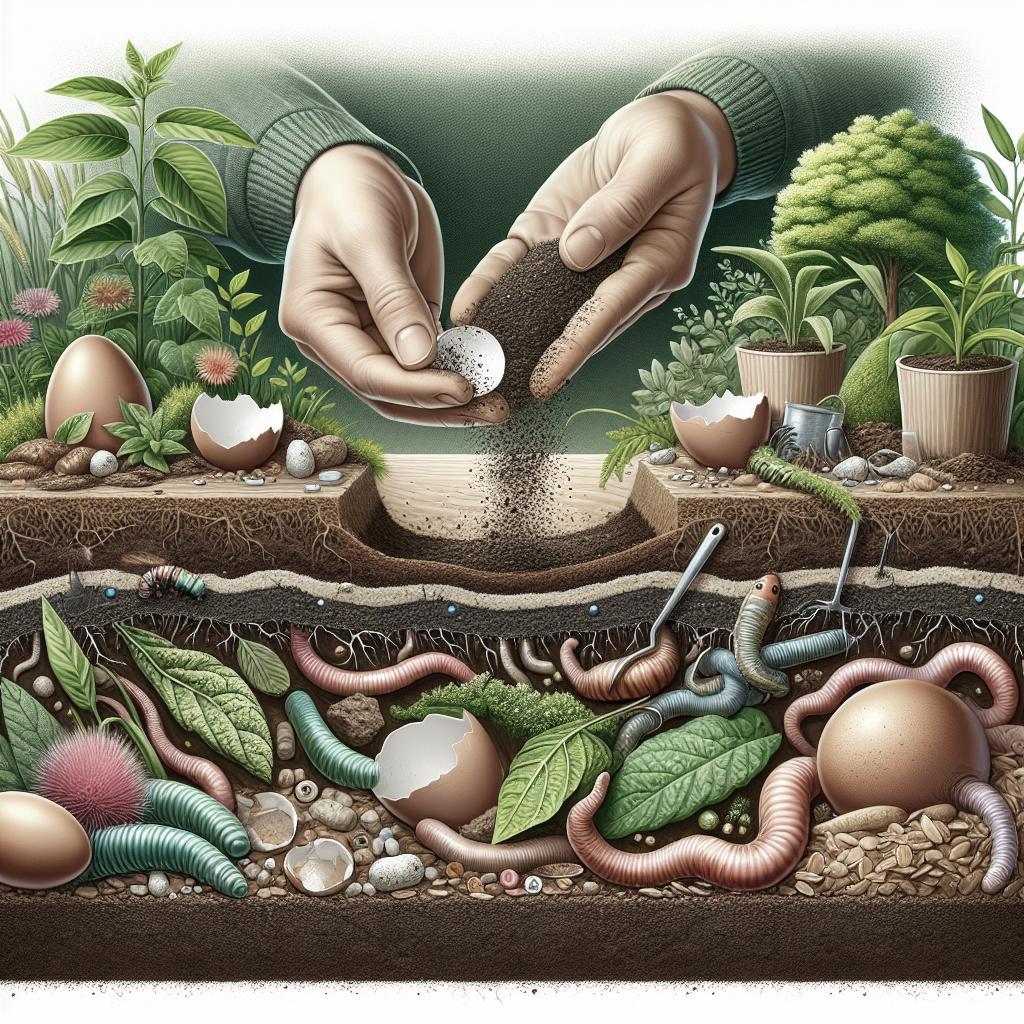
Another excellent source of calcium is eggshells. Using crushed eggshells as a soil amendment can slowly release calcium into the soil. This process is particularly effective in enriching soil that supports tomatoes, peppers, and other vegetables prone to blossom-end rot, a condition caused by calcium deficiency. Additionally, using eggshells promotes recycling and reduces household waste.
Nitrogen Sources
Nitrogen is crucial for plant growth as it is a major component of chlorophyll and amino acids. Compost is an excellent natural nitrogen source. By composting kitchen scraps and green waste, gardeners can create a nutrient-rich amendment that provides nitrogen to the soil. Applying compost improves soil fertility, structure, and water-holding capacity, which benefits plant health and productivity.
Leguminous cover crops are another effective natural nitrogen source. Plants such as clover, alfalfa, and vetch have the unique ability to fix atmospheric nitrogen through symbiosis with rhizobia bacteria. Growing these cover crops in rotation with main crops enriches the soil with nitrogen, reducing the need for synthetic fertilizers and promoting sustainable agricultural practices.
Phosphate Sources
Phosphate is essential for energy transfer and photosynthesis in plants. Rock phosphate is a popular organic source of phosphorus, providing a slow-release option that supplies plants with this essential nutrient over time. Applying rock phosphate is ideal for long-term soil fertility, as it enhances root development and increases resistance to plant diseases.
Bone meal is another excellent phosphate source. Produced by steaming and crushing animal bones, bone meal offers a readily available form of phosphorus. It is particularly beneficial for bulbs and root crops, encouraging strong root systems and enhancing bloom and fruit production. Using bone meal also supports recycling and a more holistic approach to nutrient sourcing.
Potassium Sources
Potassium is necessary for several plant processes, including enzyme activation and regulating water uptake. Wood ash is a natural, cost-effective source of potassium. Applying wood ash to the soil can provide not only potassium but also other trace elements crucial for plant development. However, moderation is key, as excessive use can increase soil alkalinity.
Compost and green manure are additional sources of potassium. While primarily known for providing nitrogen, well-decomposed compost and green manure can significantly contribute to the potassium needs of growing plants. The balanced nutrient supplementation improves overall plant health and enhances soil microorganisms’ activity, leading to increased soil fertility.
Secondary and Minor Nutrients from Rock Powders
Apart from major nutrients, soil requires secondary and minor nutrients to maintain balance and health. Rock powders, like greensand and basalt rock dust, offer a natural source for these minerals. Greensand, rich in glauconite, provides a slow-release option for potassium, iron, magnesium, and other minerals that improve soil structure and fertility.
Basalt rock dust is another powerful mineral source, contributing essential trace minerals to the soil, including magnesium and silicon. These trace elements improve plant strength and resistance to pests and diseases. Utilizing rock powders not only enhances nutrient balance but also promotes sustainable soil management by mimicking the natural processes of rock weathering and mineral release.
Lessons Learned
Incorporating natural methods to enhance soil fertility involves understanding the diverse range of available organic nutrient sources. Calcium, nitrogen, phosphate, and potassium are crucial primary nutrients, while secondary and minor nutrients from rock powders contribute to overall soil health. By adopting these eco-friendly practices, agriculture professionals and enthusiasts ensure long-term sustainable productivity while minimizing environmental impact.
| Nutrient | Natural Source | Benefits |
|---|---|---|
| Calcium | Lime, Eggshells | Improves soil pH, strengthens cell walls |
| Nitrogen | Compost, Leguminous Cover Crops | Boosts plant growth, enhances soil structure |
| Phosphate | Rock Phosphate, Bone Meal | Supports energy transfer, enhances root development |
| Potassium | Wood Ash, Compost | Regulates water uptake, enzyme activation |
| Secondary & Minor Nutrients | Greensand, Basalt Rock Dust | Improves trace mineral content and plant strength |
“`
