
“`html
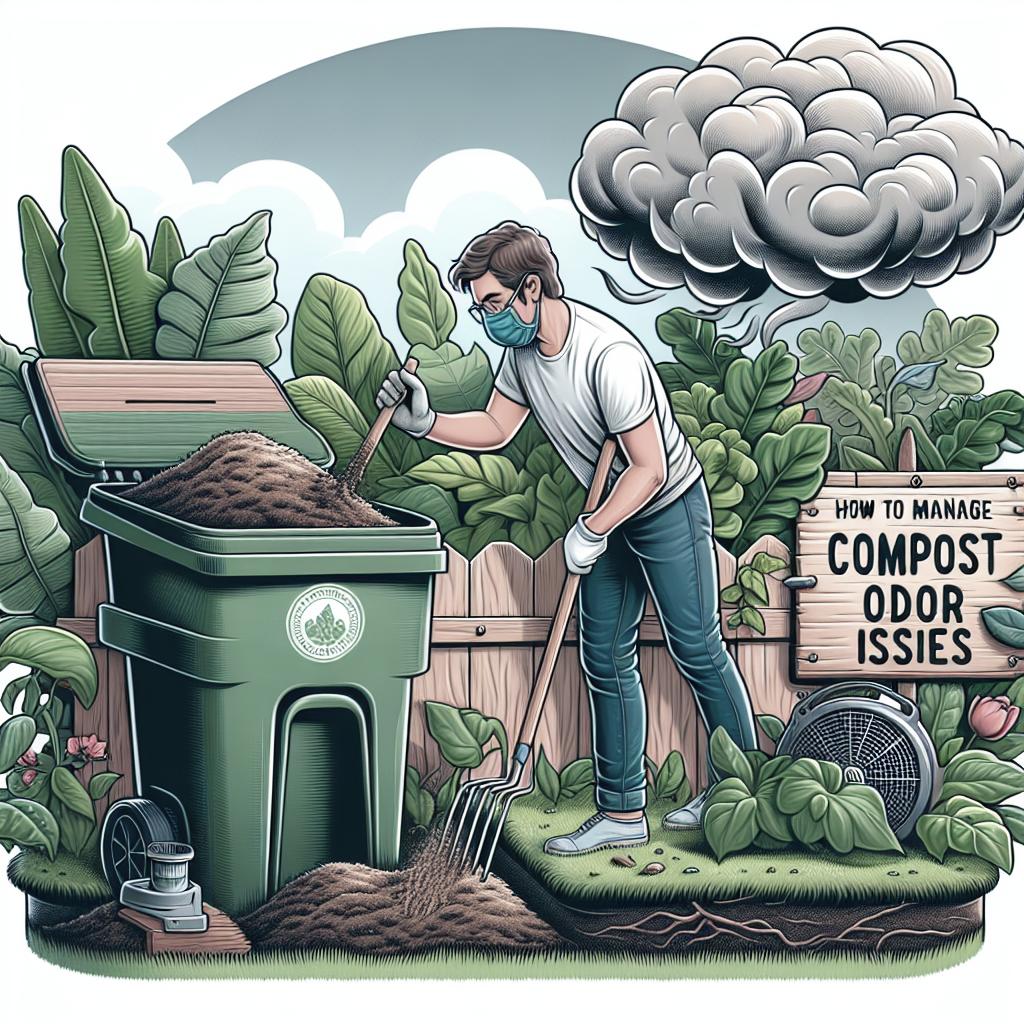
How to Manage Compost Odor Issues
Composting is an environmentally friendly practice that turns organic waste into nutrient-rich soil. However, one of the common challenges faced by composters is managing unpleasant odors that can arise during the composting process. This blog post explores the different types of compost odors, why they occur, and effective strategies to manage them. From sewage and ammonia smells to the scent of rotting eggs and meat, we delve into the science behind these odors and provide actionable steps to mitigate them. Additionally, we offer treatment options like adding brown materials, aeration, stirring techniques, reducing food waste, and even incorporating chickens to manage odor effectively. By the end of this read, you will have a comprehensive understanding of how to maintain a healthy, odor-free compost system.
The Nose Knows
Sewage Smell (a Dirty Toilet)
A sewage smell emanating from compost is usually indicative of too much moisture, a result of an imbalance between green and brown materials. This happens when there’s an excessive amount of nitrogen-rich “greens” such as food scraps without sufficient carbon-rich “browns” like dry leaves. The overabundance of moisture turns the compost anaerobic, causing bacteria that thrive in oxygen-starved environments to produce stinky hydrogen sulfide gas, reminiscent of a sewer.
To combat this, make sure that your compost has a healthy mix of materials. An ideal ratio is approximately 3:1, browns to greens. If your compost pile seems soggy, adding a hefty supply of browns such as shredded paper or straw can absorb the extra moisture and inhibit the growth of those bad-smelling, anaerobic bacteria.
Ammonia Smell (Litter Box)
An ammonia smell typically indicates too much nitrogen in your compost pile. This scenario often arises from a surplus of green material like grass clippings or fresh manure. The excess nitrogen heats the pile rapidly, accelerating the decomposition process and releasing ammonia gas, which has an acrid, sharp odor similar to a cat’s litter box.
To resolve this issue, gradually incorporate more carbon-rich materials, such as dried leaves, shredded paper, or wood chips, to the compost heap. Balancing the nitrogen and carbon not only suppresses the ammonia odor but also ensures that your compost matures into nutrient-rich, earthy soil.
Sulfur Smell (Rotting Eggs)
A sulfurous odor, akin to rotting eggs, is often the result of an anaerobic environment where certain bacteria generate hydrogen sulfide. This can happen from excessive moisture, compaction, or improper layering of compost materials that restricts airflow through the compost pile.
To alleviate this odor, improve aeration within your compost. Begin by regularly turning the pile, which introduces oxygen and prevents it from becoming too compacted. Ensure the composting site promotes drainage to avert waterlogging. By fostering aerobic conditions, you will minimize the production of sulfur compounds, keeping the compost smell-free.
Rotting Meat (Roadkill)
Compost should never smell like rotting meat; this odor suggests the presence of animal products, which are typically discouraged in basic composting setups. Meat, dairy, and oils decompose slowly and can harbor pathogens while attracting unwanted pests.
If you detect such odors, check your compost for any prohibited items and remove them promptly. Use a dedicated bin designed for meats if composting such items is necessary. Incorporating a secure lid and frequent turning will deter animals and minimize rotting smells.
Weirdly Sweet
While a sweet smell might seem pleasant, in composting, it can signal trouble. A sweet odor often originates from a type of bacteria that flourishes in overly damp, anaerobic conditions and feeds on sugars within the compost.
To correct this, ensure that your compost pile is adequately aerated and not too moist. Allow the pile to dry out slightly and mix in coarse, carbon-heavy materials to restore balance. Monitoring moisture levels and routinely turning the compost will help you avoid these conditions in the future.
Treatment Options
Administer Browns
When faced with odor issues, one of the simplest solutions is to introduce more “brown” materials into your compost pile. These materials, such as straw, newspaper, and dried leaves, are high in carbon and can help absorb excess moisture and provide structure to your compost. This creates air pockets that enhance airflow and aerobic decomposition.
Using browns intelligently can also counterbalance an overabundance of green materials, which can lead to smells. Regularly check the ratios of your compost additions, keeping browns at a level that maintains a dry yet slightly damp feel, akin to a wrung-out sponge.
Aerate
Aeration is a critical step in managing compost odor. By turning the compost pile every few weeks, you ensure that oxygen permeates the entire stack. Oxygen supports beneficial aerobic bacteria, reducing the chances of creating smells associated with anaerobic bacteria activity.
To effectively aerate your compost, use a pitchfork or a designated compost aerator tool. When the pile begins to compact, take the time to break up any dense clumps and fluff the materials. This practice will result in a healthy, odor-free compost pile.
Stir, Stir, and Stir Some More
The mantra of “stirring” extends beyond mere aeration. Frequent stirring helps regulate temperature, distribute moisture evenly, and enhance the decomposition process by mixing fresh material into the center where the activity is hottest.
A regular stirring schedule, ideally every one to two weeks, is recommended to maintain an even breakdown. Monitoring the internal temperature of your compost can also help keep track of its progress—lower temperatures may suggest it’s time to give it another mix to reignite the bacterial activity.
Stop Wasting Food
Reducing food waste not only benefits your compost but also helps the environment by lessening landfill contributions. Try to incorporate only those food scraps that are manageable for your compost system, avoiding oils, meats, and large volumes of dairy.
Plan meals thoughtfully and compost vegetable peelings, fruit scraps, coffee grounds, and similar materials that break down efficiently. Additionally, proper food storage and using leftovers can decrease the volume of waste needing composting, thereby maintaining an optimal compost pile size.
Get Chickens
Introducing chickens to your composting routine can naturally assist in managing compost issues. Chickens are avid eaters of food scraps and can dramatically reduce the amount of waste heading to your compost. Their continuous scratching and pecking also help aerate the compost pile, allowing better oxygen flow.
Keeping chickens requires commitment and proper care but offers an added bonus of fresh eggs. They can be a sustainable and effective part of your compost management strategy, particularly if you have space and resources to take care of them.
Next Steps
| Odor Type | Cause | Solution |
|---|---|---|
| Sewage Smell | Too Much Moisture | Add more browns, ensure proper drainage |
| Ammonia Smell | Excess Nitrogen | Increase carbon-rich browns |
| Sulfur Smell | Anaerobic Environment | Aerate and manage moisture |
| Rotting Meat | Animal Products Present | Remove meats, use specialized bins |
| Weirdly Sweet | Damp Conditions, Anaerobic Bacteria | Dry out, improve aeration |
“`
