
“`html
Creating a Balanced Insect Ecosystem in the Garden
Gardening goes beyond just beautifying your outdoor space or yielding fresh produce; it’s about fostering an entire ecosystem where each organism plays a crucial role. A well-balanced insect ecosystem is vital to maintaining garden health, promoting biodiversity, and ensuring sustainable gardening practices. In this post, we will explore practical tips and strategies to encourage a harmonious insect community. Whether you’re an experienced gardener or a novice, understanding how to attract beneficial insects, implement organic pest control, and create a thriving habitat will help you create a flourishing garden environment that supports nature and all its inhabitants.
Post navigation
Share this:
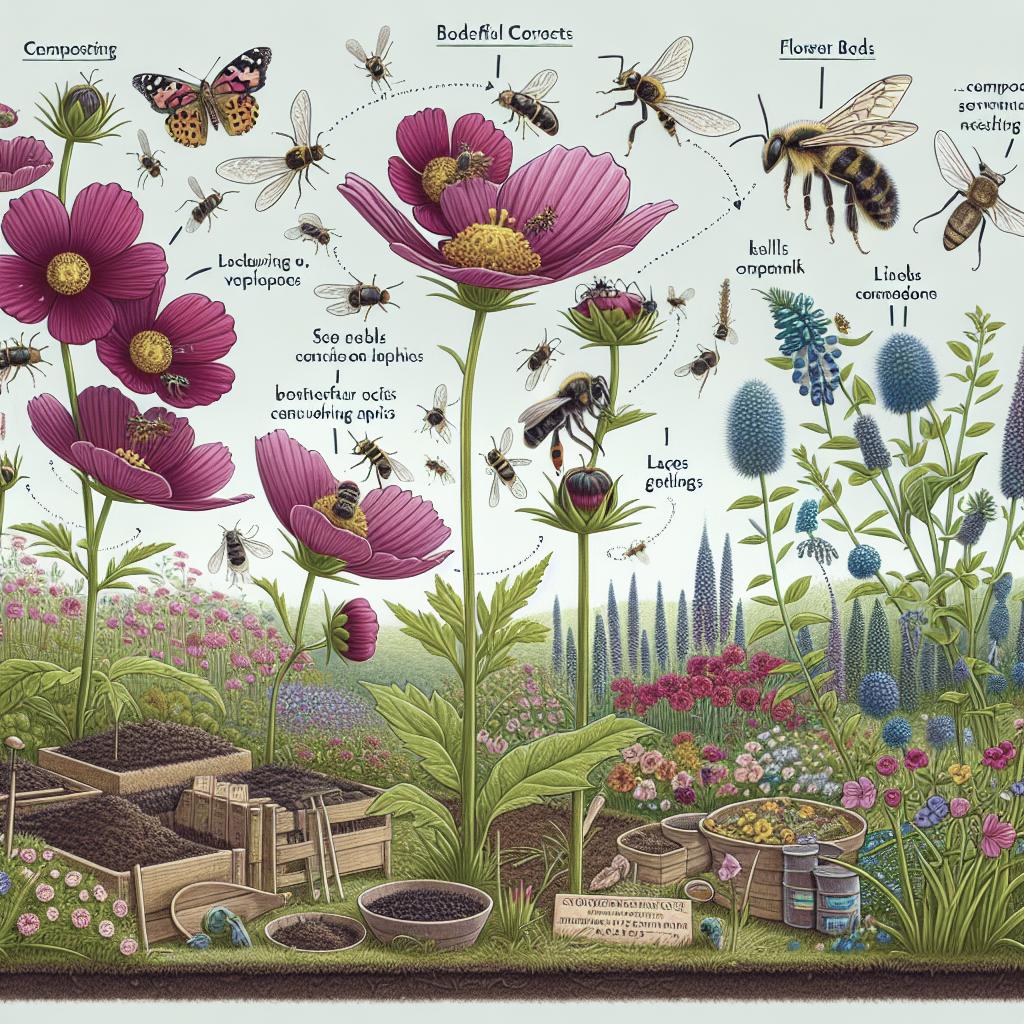
Creating a balanced insect ecosystem within your garden begins with understanding the intricate relationships between plants and insects. Insects such as bees, ladybugs, and butterflies offer invaluable services like pollination and natural pest control. Encouraging the presence of these beneficial insects means selecting the right plants that provide nectar, pollen, and shelter needed for their survival. This delicate balance reduces the need for chemical interventions, leading to more sustainable gardening practices and ultimately a healthier garden.
Another aspect to consider is the spatial diversity of your garden. Creating varied habitats such as flower borders, herb gardens, and small water features can attract different groups of insects, each playing a unique role in the ecosystem. Furthermore, embracing native plants can result in a robust local insect population that’s already adapted to your climate, leading to a more resilient garden. Thus, designing a garden with a variety of plant types and structures can greatly enhance the ecosystem.
Related
Implementing organic pest control methods is another key step in achieving a balanced ecosystem. Instead of reaching for chemical pesticides, try methods like companion planting, using natural predators, or introducing insect-repelling plants. For instance, planting marigolds near vegetables can deter nematodes, while herbs such as mint and basil can keep various pests at bay. Additionally, including plants that attract predatory insects, like lacewings or parasitic wasps, can help naturally manage pest populations without disrupting the ecosystem balance.
Maintaining a healthy soil ecosystem also plays an essential role. Rich, nutrient-filled soil supports healthy plants that are better capable of resisting pests and diseases. Composting organic materials, rotating crops, and avoiding excessive tillage can preserve the natural integrity of the soil. Healthy soil not only fosters a sturdy plant base but also encourages ground-dwelling insects that contribute to soil aeration and organic matter decomposition.
Leave a comment Cancel reply
Insect-friendly gardening extends beyond plants and soil; it includes awareness of the broader ecological practices. Avoid the use of synthetic fertilizers and pesticides, which can harm insect populations and disrupt their natural lifecycle. Emphasize sustainable gardening techniques like mulching and rainwater harvesting which offer protection and nourishment to the insect community. Furthermore, understanding seasonal cycles and planting accordingly allows for year-round support of both flora and fauna.
Educating oneself about the complexity of garden ecosystems and observing the dynamics within your own plot can provide further insights into maintaining balance. Regularly monitoring insect activity, identifying beneficial versus harmful insects, and learning from the continuous interaction within your garden equips you with the knowledge to improve your gardening techniques. By adopting a proactive yet gentle approach to intervention, long-term ecological balance can be achieved, fostering a garden that thrives naturally.
Lessons Learned
| Topic | Key Points |
|---|---|
| Beneficial Insects | Encourage pollinators; select plants providing nectar and shelter. |
| Garden Diversity | Create varied habitats; utilize native plants for a resilient ecosystem. |
| Organic Pest Control | Use companion planting, attract natural predators, avoid chemicals. |
| Soil Health | Maintain nutrient-rich soil through composting and reduced tillage. |
| Sustainable Practices | Adopt ecological techniques; avoid synthetic inputs; learn from your garden. |
“`
