“`html
Managing Garden Runoff: Tips & Techniques
In today’s changing climate, effective management of garden runoff is crucial for both environmental sustainability and personal landscape needs. This blog post explores the concept of rain gardens as a practical solution to manage stormwater runoff, mitigate pollution, and enhance garden aesthetics. We’ll delve into the causes of stormwater runoff and the pollutants it carries, and discuss why a rain garden can be beneficial for you. We’ll guide you through designing, building, and maintaining a rain garden, and address frequently asked questions such as installation costs, mosquito control, and the necessity of professional involvement. Finally, we provide a range of tips for selecting native plants and choosing the best location for your rain garden, ensuring it’s not only eco-friendly but also a beautiful addition to your property.
Latest News
What is a rain garden?
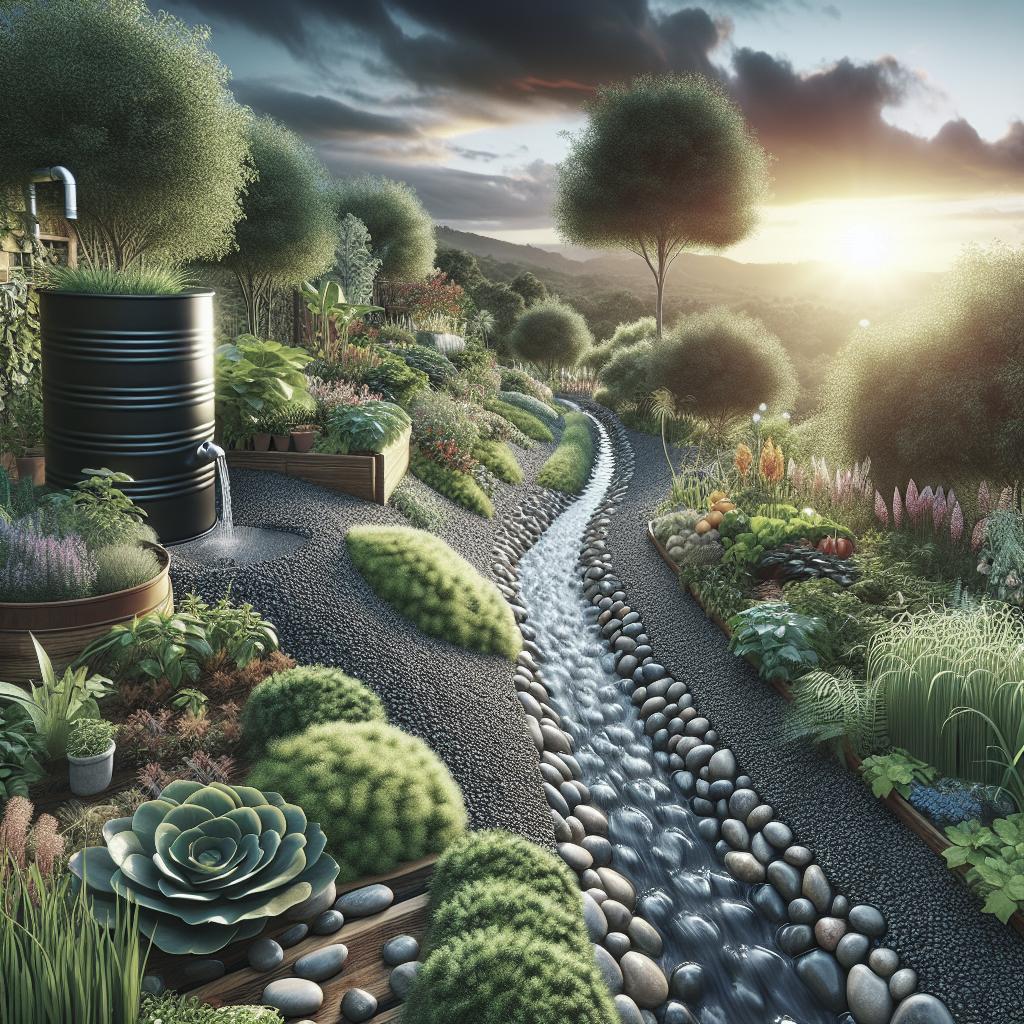
A rain garden is a specially designed plot that allows rainwater from hard surfaces like roofs, driveways, and patios to be absorbed into the ground. These gardens are planted in a shallow depression, designed to temporarily hold and filter stormwater runoff. By utilizing native plants that tolerate both drought and wet conditions, rain gardens significantly reduce the amount of pollutants entering waterways. They serve as both a functional approach to water management and an aesthetic enhancement to any landscape.
The structure of a rain garden helps prevent soil erosion and reduces flooding by allowing water to infiltrate slowly. This not only decreases water pollution but also helps recharge local aquifers. In residential areas, a rain garden can ease backyard flooding and serve as a habitat for butterflies and beneficial insects, thereby enriching local biodiversity.
What is stormwater runoff?
Stormwater runoff occurs when precipitation from rain or melting snow flows over the ground. Impervious surfaces such as driveways, sidewalks, and streets prevent stormwater from naturally soaking into the ground. Traditional drainage systems channel this runoff directly into water bodies, often carrying pollutants with it. The volume and speed of uncontrolled stormwater can lead to flooding, stream bank erosion, and increased turbidity in water bodies, disrupting aquatic habitats.
Effective stormwater management helps mitigate these risks. By capturing and treating runoff near its source through solutions like rain gardens, we can reduce the adverse environmental impacts of urbanization. This proactive approach contributes to cleaner waterways and offers a sustainable option for maintaining the natural water cycle.
What is the problem?
Stormwater runoff is a pressing environmental challenge. It often contains a variety of pollutants such as oils, heavy metals, and chemicals from roofs and roads, as well as pesticides and fertilizers from gardens and lawns. These substances are harmful, posing threats to aquatic life and human health by contaminating drinking water and recreational areas.
The cumulative effect of stormwater runoff is significant, contributing to water quality degradation and ecosystem imbalance. Without intervention, these pollutants can accumulate over time, affecting not just local water streams but also larger water systems. Recognizing and addressing the underlying issues of stormwater runoff is an essential step toward environmentally responsible garden management.
Where do these pollutants come from?
The pollutants in stormwater runoff originate from numerous sources. Residential lawns contribute fertilizers and pesticides, while roofs and roads can shed oils, grease, heavy metals, and other urban pollutants. In busy urban environments, the problem is exacerbated by high levels of vehicular emissions and construction activities, both of which increase pollutant loads.
Agricultural runoff adds another layer of complexity, introducing nutrients and sediments that can lead to algal blooms and other ecological complications. The first step to mitigating these effects is understanding their sources, which empowers homeowners and communities to implement targeted solutions like rain gardens that can filter and manage these pollutants effectively.
Why build a rain garden?
Building a rain garden offers multiple ecological and aesthetic benefits. Beyond its primary function of managing stormwater, it enhances biodiversity by providing habitat for a variety of plant and animal species. Rain gardens are a beautiful addition to a landscape, offering a diverse array of plants that change with the seasons, adding color and texture to a garden area.
Additionally, rain gardens demonstrate a commitment to sustainable living. As landscapes and urban environments become more structured around sustainable practices, installing a rain garden positions a property as environmentally conscious. This can be a rewarding experience and offers the tangible benefit of reducing water bills through improved water management.
Garden for Cleaner Water
Rain gardens play an essential role in purifying runoff water. Through phytoremediation, plants in the garden can uptake harmful pollutants, transforming them into less toxic forms or storing them harmlessly. Furthermore, the soil and mulch layers of a rain garden act as natural filters, capturing sediments and breaking down contaminants before they can reach water bodies.
The overall impact on water conservation and quality is substantial. In communities adopting rain gardens widely, measurable improvements in water clarity and quality can be observed. The value of cleaner water extends beyond aesthetics, promoting healthier ecosystems and reducing public health risks associated with contaminated water sources.
Is a rain garden right for me?
Deciding to install a rain garden depends on several factors, including your property’s drainage patterns, soil type, and space availability. If your landscape often experiences water pooling or you notice frequent puddles after rain, a rain garden may be a suitable solution to redirect and absorb this runoff.
Consider also your commitment to maintaining a garden. While rain gardens are low-maintenance, they do require occasional care to ensure optimal performance. Assess whether this aligns with your lifestyle and gardening interests. Ultimately, if you value sustainability in your gardening practices, a rain garden is an ideal addition to your landscape.
Getting Started
Location
Choosing the right location for a rain garden is crucial. Ideally, it should be positioned at least 10 feet away from your home’s foundation to prevent water accumulation around the base. Consider areas where water naturally flows or collects, such as the bottom of a slope. Avoid placing the garden near septic systems or in areas where water tends to stagnate for extended periods.
Soil testing is a preliminary and necessary step. Ensure good drainage by performing a percolation test – this will tell you whether soil amendments or additional drainage solutions are required. A well-drained soil helps the rain garden function effectively, allowing water to be absorbed within 24 hours, thus minimizing the risk of breeding mosquitoes.
What’s your style?
Personalizing your rain garden to reflect your aesthetic preferences enhances both its enjoyment and integration into your landscape. Consider how the garden will complement existing structures and gardens. Are you inclined towards wildflower meadows or more structured layouts? Your choice of plants should also reflect the aesthetic goals while considering the garden’s ecological function.
Integrating your style helps to create a seamless transition between the rain garden and the broader garden landscape. This not only enhances the property’s visual appeal but also ensures the rain garden feels like a natural extension of your living space, rather than an isolated feature.
A selection of native plants for your rain garden
Native plants are essential in rain gardens as they are adapted to local climate conditions and soil types, requiring fewer resources to thrive. They offer excellent resilience to local pests and diseases. Some popular choices include the purple coneflower (Echinacea purpurea), blue flag iris (Iris versicolor), and switchgrass (Panicum virgatum).
The use of native plants also supports local wildlife by providing necessary habitats and food. They attract pollinators like bees, butterflies, and birds, contributing to the biodiversity in your garden. Selecting the right mix ensures year-round interest and blooms, enhancing both function and beauty.
Designing Your Rain Garden
Design is an integral part of rain garden planning. Begin by sketching a layout, taking into account the flow of water and sun exposure. Consider the size and shape that suits your landscape, aiming for a garden that is about one-third of the area from which it receives runoff.
Layering plants by height, from tallest in the center to shortest at the edges, creates an appealing visual effect while optimizing water absorption. Incorporating paths or seating areas can make your rain garden a comfortable, interactive place in your yard where you can relax and enjoy nature.
Building Your Rain Garden
Tools Required:
- Shovel
- Rake
- String and stakes
- Wheelbarrow
- Level
Materials Required:
- Compost
- Mulch
- Native plants
- Edging materials (stone, brick, etc.)
Steps:
- Mark out the perimeter of your garden using string and stakes.
- Excavate soil to create a basin, sloping to the depth needed for your soil type and drainage.
- Mix excavated soil with compost to improve plant growing conditions and ensure good drainage.
- Plant native species according to your design, placing taller plants in the center and shorter ones around the edges.
- Cover exposed soil with mulch to retain moisture, suppress weeds, and enhance appearance.
Maintaining Your Rain Garden
Mulching
Layering mulch is vital for moisture retention and weed suppression. Renew the mulch layer annually or as necessary to maintain a 2 – 3 inch depth. This not only keeps the soil temperature and moisture stable but also enhances the garden’s aesthetics.
Choose organic mulches, like bark chips or shredded hardwood, which decompose over time, adding organic matter to the soil and improving its nutrient profile.
Erosion and Debris
Check for erosion or sediment build-up, especially after heavy storms. You’ll need to adjust plants or soil levels to ensure water is distributed evenly and absorbed efficiently. Clearing debris regularly keeps the garden functional and visually pristine.
Maintain a buffer of lawn or cover plants around the rain garden to capture sediment before it reaches the garden. This helps maintain the integrity and filtration capacity of the rain garden.
Fertilizing
Once established, rain gardens typically require little to no fertilization if native plants are used. If necessary, use slow-release fertilizers sparingly to avoid contributing to nutrient runoff.
A yearly soil test can guide you on any essential nutrient adjustments without over-fertilizing, which can counteract the garden’s purpose of reducing nutrient pollution.
Weeding
Regular weeding prevents non-native species from taking over the garden and competing with the beneficial plants. Native plants, when well-established, will outcompete most weeds, but early and consistent weeding is crucial.
Hand-pulling weeds or using spot treatments with eco-friendly herbicides can keep your rain garden in top condition, ensuring that your chosen plant community thrives.
Watering
In the first one to two years, supplemental watering may be needed to establish plants, especially during dry spells. Once mature, rain gardens typically don’t require additional watering, relying on rainfall and stormwater runoff.
Watch your garden carefully for signs of stress due to prolonged dry periods, but be mindful to avoid overwatering, which can negate the drought-resistant design of the garden.
Frequently Asked Questions
Will it be expensive or difficult to install and maintain a rain garden?
The cost of a rain garden varies depending on the size and scope of your project, ranging from a few hundred to several thousand dollars. Most costs involve soil preparation and plant acquisition, which can be reduced by salvaging native plants or using starter sizes.
In terms of difficulty, some basic landscaping skills and a moderate amount of physical work will suffice for installation. Maintenance primarily involves seasonal tasks like mulching, weeding, and occasionally replanting, which become less labor-intensive over time.
Will a rain garden create a pond for mosquitoes?
Properly designed rain gardens should dry out within 24 hours of a heavy rain, an insufficient time for mosquitoes to breed. The well-drained soil mix and plant transpiration facilitate fast water absorption and prevent standing water.
If mosquitoes become an issue, adjusting the soil mix for improved drainage and reassessing water input can effectively manage it, ensuring a mosquito-free environment.
When should I seek professional advice?
Consider consulting a professional if your property feature complex drainage or soil issues, if the garden is intended to treat large amounts of runoff, or if it feels overwhelming to handle on your own. A landscape architect specializing in rain gardens can offer invaluable insight and guidance.
Professionals can also assist with specific site problems such as slopes or poorly draining soils, ensuring your rain garden is effective and tailored to your property’s needs.
How can I locate utility pipes and wires before digging?
Before any digging project, contact your local utility companies or use “call before you dig” services available in many areas. They will mark the location of underground lines to help you avoid damaging them during construction.
Knowing the position of these utilities helps prevent service interruptions, protects personal safety, and ensures compliance with local regulations.
Lessons Learned
| Aspect | Key Points |
|---|---|
| Concept of Rain Gardens | Rain gardens manage runoff, reduce pollutants, prevent flooding, and enhance aesthetics. |
| Planning | Choose location wisely, assess style preferences and use native plants for the best results. |
| Design & Build | Design based on the water flow and exposure, layer plants by height, and follow structured steps for building with the right tools and materials. |
| Maintenance | Includes mulching, checking erosion, selective fertilizing, regular weeding, and appropriate watering. |
| FAQs | Costs vary, not prone to mosquito issues, professional advice is useful for complex sites, locate utilities first. |
“`