“`html
The Advantages of Using Cloches in Frost Protection
Protecting plants from frost is a vital step for gardeners who wish to extend their growing season and preserve their hard work. Cloches, simple yet efficient structures, have become an essential tool for this purpose. Offering a micro-environment of warmth and protection, they shield plants from harsh conditions while promoting growth. This article will delve into the definition and benefits of cloches, their proper use, and how to overcome some common downsides. Furthermore, you’ll discover an easy guide to creating your own DIY cloche, tailored to your specific gardening needs. With this knowledge, gardeners of all experience levels can better equip themselves to tackle frost-heavy seasons and ensure their plants thrive throughout the colder months.
What Is A Cloche?
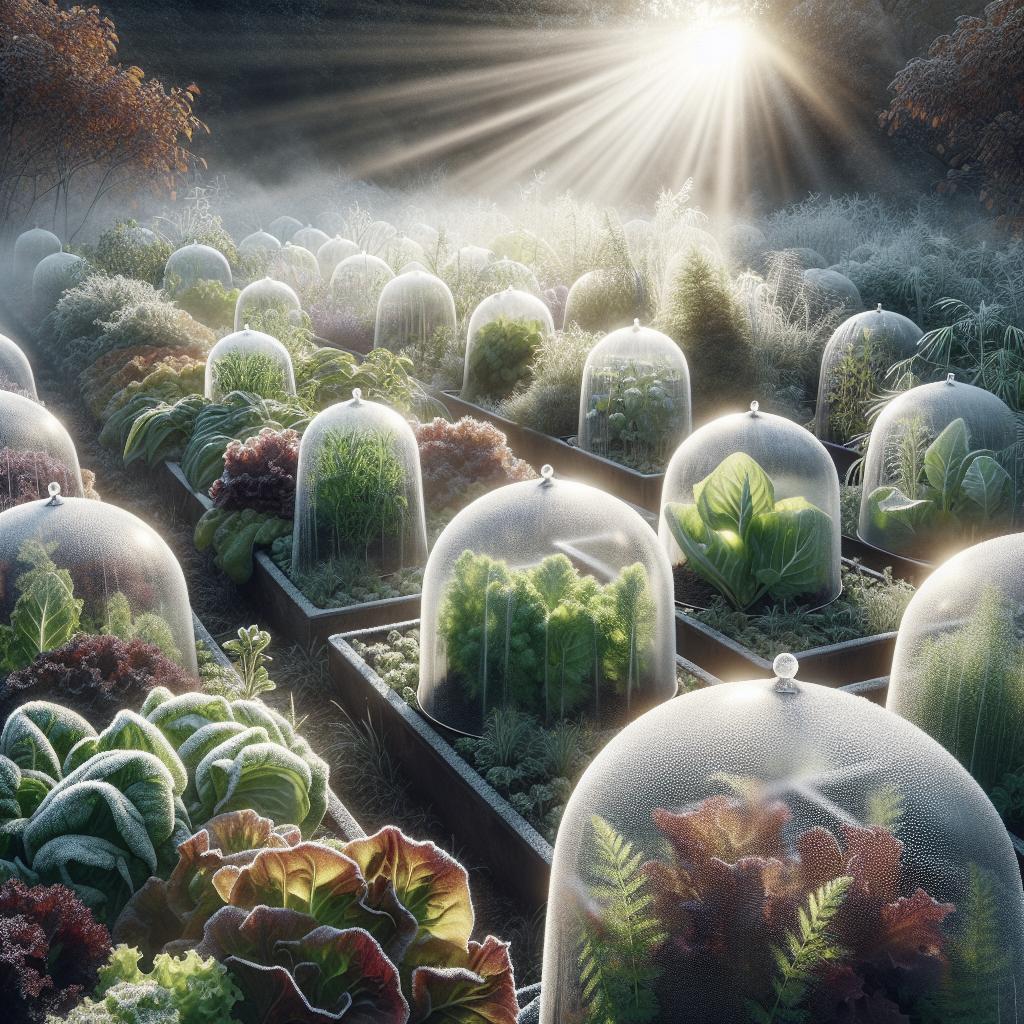
A cloche is a covering used in gardening to protect plants from harsh weather, particularly frost. Originating from the French word for “bell,” traditional cloches were made of glass and shaped like domes. These structures act like mini-greenhouses, providing a warmer and more stable environment for the plants beneath.
Today, cloches come in various materials and designs, including plastic, fabric, and even metal structures. Despite their evolution, the fundamental purpose remains the same: to shield tender foliage from temperature extremes, inclement weather, and pests, thereby promoting a healthier microclimate for plant growth.
Why Use Them?
The primary advantage of using cloches is their ability to extend the growing season. By providing a layer of insulation, cloches maintain a warmer microclimate around plants. This allows for earlier planting in the spring and later harvesting in the fall, maximizing the productivity of gardens regardless of unpredictable weather conditions.
Cloches also play a crucial role in protecting seedlings and young plants, which are particularly vulnerable to frost damage. With a cloche in place, plants receive a protective cover that not only keeps them warmer but also shields them from pests, providing a dual benefit and reducing the need for pesticides.
How To Use Cloches
Cloches are quite versatile and can be used to protect a wide array of plants, from vegetables to delicate ornamentals. Position them over your plants before the first frost is expected, ensuring they are correctly sized to allow airflow while providing coverage. It’s important to monitor the temperature inside, as cloches can heat up quickly in sunlight, potentially harming the plant.
Regular checks to adjust the placement or remove the cloche during warm spells are advisable. By doing so, you minimize the risk of overheating and ensure your plants remain in an optimal environment throughout the cold snaps.
Common Disadvantages
While cloches are beneficial, they also come with certain drawbacks. One major disadvantage is their limited coverage area, which can pose a challenge for larger gardens or for gardeners who need to protect numerous plants. In these cases, a larger-scale solution like a row cover or cold frame might be more efficient.
Another disadvantage is the potential for overheating, as cloches can rapidly increase temperatures on sunny days. This can stress or damage plants if not carefully monitored. Therefore, it’s crucial to regularly ventilate the cloches or remove them temporarily during warm spells to avoid such issues.
How To Make A DIY Cloche
Creating a DIY cloche can be a cost-effective and rewarding project. One simple method is using a clear plastic bottle. Cut the bottle in half and place the upper part over individual plants, ensuring it is well-anchored into the soil. Remove the cap to allow for air circulation.
For a more robust option, consider using wire hoops and clear plastic sheeting to create a tunnel-like cloche for rows of plants. This method offers greater flexibility and coverage, protecting multiple plants simultaneously while requiring minimal financial investment.
References
Here are some resources that can provide additional guidance and inspiration for using and creating cloches in your gardening endeavors:
- Smith, J. (2020). Gardening through the Seasons: Utilizing Cloches for Frost Protection . Garden Press.
- Green, L. (2019). The Complete Guide to DIY Gardening Equipment . Urban Gardener Publications.
- Johnston, R. (2021). Protecting Your Plants: Creative Solutions for Cold Climates . Natural Habitats Press.
Next Steps
| Aspect | Details |
|---|---|
| What Is A Cloche? | A protective covering for plants that creates a micro-environment, traditionally made of glass, now in various materials. |
| Why Use Them? | Extends growing seasons, protects seedlings, and reduces pest issues. |
| How To Use Cloches | Ensure proper sizing and ventilation; monitor temperature to avoid overheating. |
| Common Disadvantages | Limited coverage area and potential for overheating if not monitored. |
| How To Make A DIY Cloche | Use materials like plastic bottles or wire hoops with plastic sheeting for cost-effective solutions. |
“`