
“`html
How to Enhance Garden Biodiversity
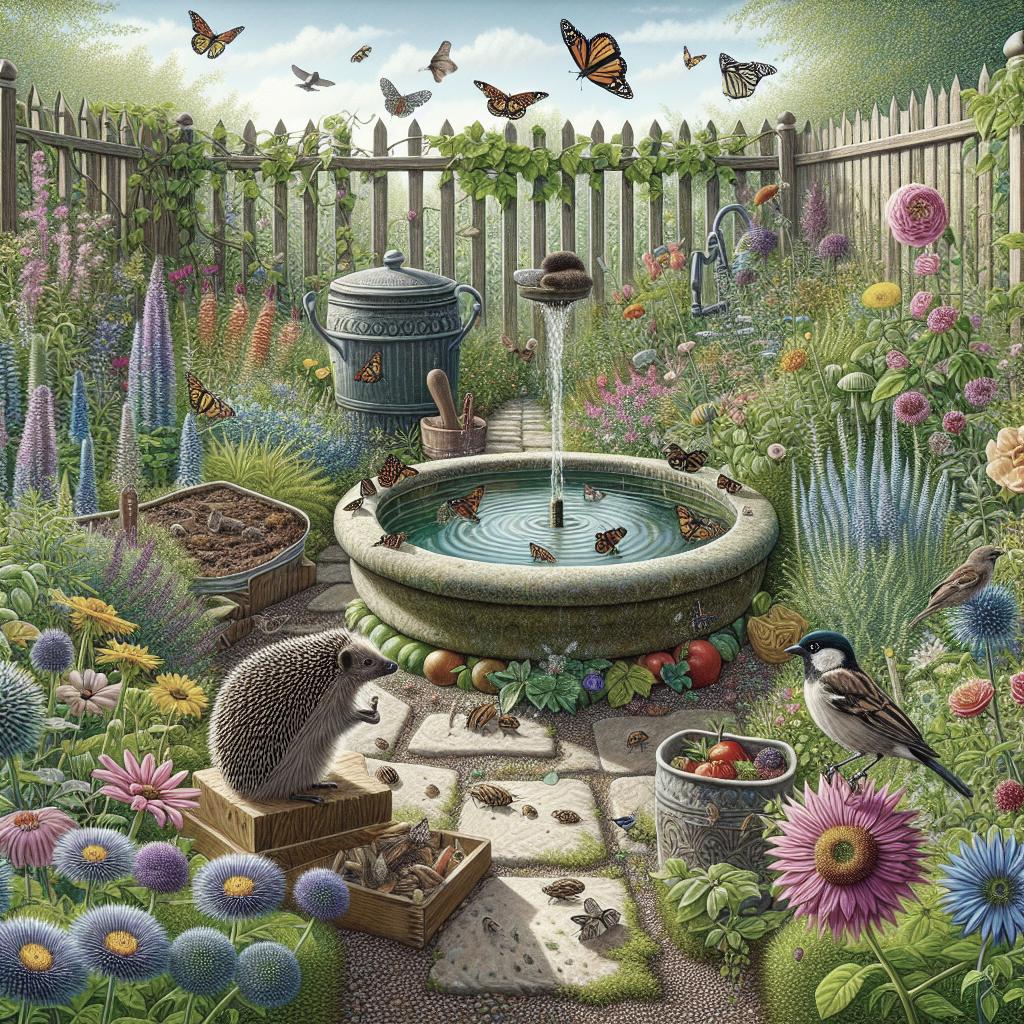
As garden enthusiasts, we have the opportunity and responsibility to contribute to the biodiversity within our own backyards. This article outlines how biodiversity acts as the cornerstone of thriving gardens and delves into practical steps to nurture it. From the importance of taking good care of your garden’s ecosystem to effective strategies like planting high-stem orchards, we cover the necessities of building a vibrant garden environment. Additionally, we’ll explore how nature itself provides tools for fostering biodiversity and beneficial ways to mix flora. By incorporating these strategies, your garden can thrive as a microcosm of natural diversity and resilience, creating a sanctuary for wildlife and a haven for biodiversity.
Biodiversity, the engine room of every garden
Biodiversity is more than just a buzzword; it is the lifeblood that sustains every garden ecosystem. Gardens rich in biodiversity are more resilient, better at coping with pests and diseases, and conducive to healthy plant growth. This diversity includes a variety of plants, insects, birds, fungi, and microorganisms, all of which interconnect to create a web of life. When we think of our gardens as interconnected ecosystems, we better appreciate how each species plays a crucial role.
By promoting a diverse range of plant species, gardeners can create protective habitat for beneficial insects and pollinators. Plant variety provides food sources and shelter throughout the seasons. This varied life support system strengthens the entire ecosystem, ensuring that natural pest control agents such as ladybugs and certain bird species can thrive, reducing the need for chemical pesticides. Ultimately, the engine room of a garden lies in its diversity, where each organism contributes to the harmonious balance of life.
Taking care of garden biodiversity
Properly caring for your garden’s biodiversity requires diligent effort and thoughtful planning. Encouraging native plants is a great place to start, as they are naturally adapted to the local climate and soil conditions, supporting the local wildlife. Creating a layered garden, with plants of varying heights, can mimic natural habitats and provide diverse living conditions for a range of species.
Regularly assessing the health of your garden involves monitoring plant growth, observing insect and bird activity, and keeping an eye on the soil quality. Employ organic mulch and compost to enrich your garden beds, fostering a healthy environment for earthworms and microorganisms which, in turn, aerate the soil and boost plant health. It’s important to remember that diversity doesn’t happen overnight; it’s a continually evolving process that grows alongside your own gardening knowledge and practices.
Encouraging biodiversity with high-stem orchards
High-stem orchards are an effective method to enhance biodiversity in gardens. These trees, with their naturally high trunks, provide an additional layer of habitat for various species compared to traditional low-stem trees. Birds, insects, and smaller mammals benefit from the different niches that these trees offer. Planting a variety of fruit species can further enrich the biodiversity, as each tree attracts specific sets of fauna.
Orchards designed to foster biodiversity should include a mixture of fruit trees that bloom at different times, offering prolonged food supply for pollinators like bees and butterflies. The surrounding landscape can be adapted to include native flowering plants and shrubs, which fortify the food chain and create a wildlife-friendly environment. This approach not only supports biodiversity but also increases yields for the gardener, making high-stem orchards a versatile and sustainable gardening strategy.
Nature helping nature
In a thriving garden ecosystem, nature often provides its own solutions to maintaining balance. Encouraging predatory insects and birds that feed on pests is a natural form of pest control. Ladybugs, spiders, and certain bird species, such as sparrows and chickadees, can help control aphid populations.
Additionally, planting certain herbs and flowers can attract these beneficial creatures. For instance, marigolds attract hoverflies, whose larvae are effective aphid hunters. By allowing nature to manage its own processes, gardeners can reduce reliance on chemicals and maintain a more holistic approach to biodiversity, ensuring long-lasting equilibrium.
Biodiversity mix
Implementing a biodiversity mix involves selecting and planting a diverse assortment of species that all serve different but complementary roles in the garden ecosystem. Combining plants with varied flowering times and growth characteristics ensures a constant flowering period, offering continuous resources for pollinators and other beneficial organisms.
When selecting plants for a biodiversity mix, it’s crucial to include ground cover, shrubs, and towering trees. Ground cover plants like clover can fix nitrogen in the soil, enriching it for the benefit of larger plants. Shrubs and trees provide shelter and breeding spaces for wildlife, adding structural variety to the garden. This harmonious blend of flora supports a resilient garden that can withstand climate variations and pest invasions.
Next Steps
| Topic | Summary |
|---|---|
| Biodiversity, the engine room of every garden | Emphasizes the importance of biodiversity as crucial to garden resilience and health, supporting ecosystems from the ground up. |
| Taking care of garden biodiversity | Focuses on creating a layered garden with native plants, regular health checks, and organic practices to maintain biodiversity. |
| Encouraging biodiversity with high-stem orchards | Explains the benefits of high-stem orchards in providing diverse habitats and prolonging food supplies for various species. |
| Nature helping nature | Discusses how natural predatory insects and birds can provide organic pest control, reducing chemical use. |
| Biodiversity mix | Describes how a blend of ground covers, shrubs, and trees can create a continuous flowering period and structural diversity. |
“`
