
“`html
Best Practices for Transplanting Seedlings
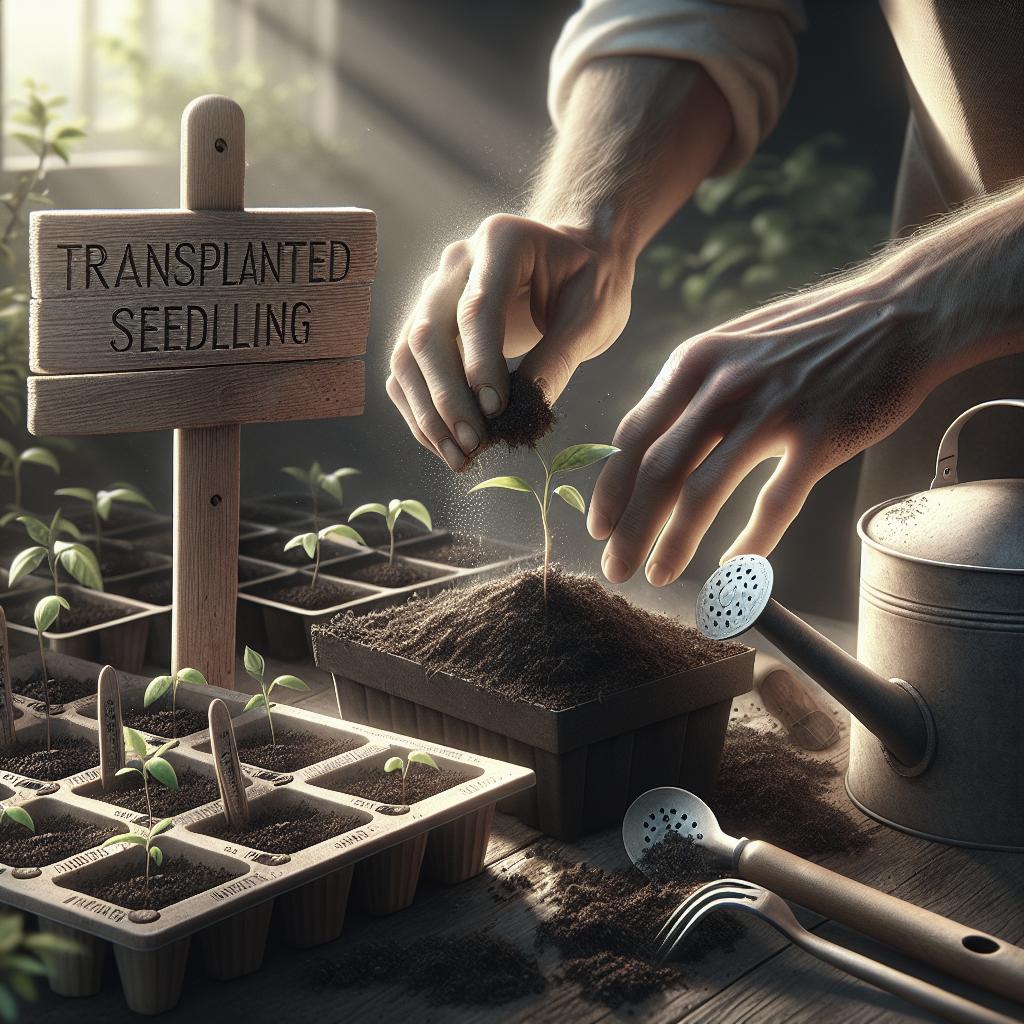
Transplanting seedlings is a crucial step in gardening and agriculture that can determine the success or failure of your plants. This blog post explores the best practices for transplanting seedlings, ensuring their healthy growth and development. We will discuss how to decide when it’s the right time to plant seedlings, the ideal size for transplanting, and how to handle seedlings before and during the transplanting process. Additionally, we will cover preparing the growing bed appropriately, methods of transplantation, and troubleshooting common problems. The goal is to equip you with comprehensive knowledge that will enhance your gardening skills, making the transition from seedling to mature plant seamless and effective.
Deciding When to Plant Seedlings
Weather Forecast
The first step in deciding when to plant seedlings is to closely monitor the weather forecast. Seedlings are vulnerable to extreme weather conditions, and understanding upcoming weather patterns will help avoid potential transplant shock. It’s best to choose a day that promises mild temperatures, avoiding both heat waves and unexpected frosts. Monitoring local weather reports can also help in deciding the right time frame for transplantation.
Additionally, consider any predicted rainfall which can aid in natural irrigation right after transplantation. However, too much rain might disrupt the transplant process, so having a balanced forecast is ideal. Understanding weather trends allows for the planning of protective measures if adverse conditions cannot be avoided.
Soil Temperature
Soil temperature plays a pivotal role in successful transplantation. Each plant variety has its preferred soil temperature range for optimal growth. Using a soil thermometer can provide accurate readings to determine when the ground has warmed sufficiently. Warm soil encourages healthy root development, whereas cold soil can stunt growth or even damage seedlings.
Generally, most warm-season crops thrive in soil temperatures between 65°F to 75°F. On the other hand, cool season plants prefer cooler conditions. Adjust your transplanting schedule according to these requirements, ensuring the seedlings have the best environment to take root.
Volunteers Germinating in the Field
Observing volunteer plants that have naturally germinated in the field can be an indicator of suitable transplanting conditions. These hardy sprouts signal that the environment may be conducive for new growth. Examine these plants as they can provide insights into factors such as soil health, temperature suitability, and pest occurrences.
While volunteers can serve as guides, don’t rely solely on them. Consider the specific needs of your seedlings, which might differ from those of naturally occurring plants. They can, however, act as a complementary assessment tool alongside weather and soil temperature data.
Seedling Size for Transplant
Balancing Robust Root System and Root-bound
When selecting seedlings for transplant, achieving a balance between a robust root system and avoiding root-bound conditions is essential. Seedlings should have a well-developing root structure to ensure they can effectively draw nutrients and establish quickly in their new environment.
If seedlings become root-bound, where roots encircle the container, it indicates that they’ve outgrown their pots. This can hinder further growth and stress the plant after transplantation. Regular inspection of the root system will help identify the optimal timing for transplant.
Weed and Pest Pressure
Weed and pest pressure can affect which seedlings are ready for transplant. Weeds compete with seedlings for nutrients, light, and water. Thus, a site with minimal weed competition is favorable unless preemptive measures like mulch or landscape fabric are employed.
Pests can stunt seedling growth even before transplantation. Inspect seedlings for signs of pest activity, choosing those that appear less affected. Employ controls such as organic insecticides or companion planting to mitigate these pressures upon transplant.
Soil Type and Watering Infrastructure
Understanding the soil type and available watering infrastructure is pivotal in deciding on the seedling size for transplant. Loamy, rich soils with good drainage are ideal, providing a fertile foundation for transplanted seedlings.
Watering infrastructure, like drip irrigation, ensures seedlings receive adequate moisture post-transplant. Larger seedlings, with established root balls, require consistent watering to recover swiftly and resume growth.
Handling Seedlings Pre-Transplant
Hardening Off Seedlings
Hardening off is the process of acclimatizing seedlings to outdoor conditions before transplanting. This gradual transition helps them adapt better to varying temperatures, sun exposure, and wind. Start by placing them outdoors in a sheltered location for a few hours each day.
Gradually increase their exposure over a week or two. Introduce them first to indirect sunlight and protect them from any extreme elements to avoid transplant shock. This preparation is essential for boosting seedling resilience post-transplant.
Preparing the Growing Bed for Seedlings
A well-prepared growing bed is crucial for the successful establishment of seedlings. Begin by removing any weeds or debris that could compete with or inhibit seedling growth. Till the soil to a depth that allows for adequate root penetration and aeration.
Enrich the soil with organic matter or compost to enhance fertility. If your soil is known to be nutrient-deficient, consider incorporating a balanced fertilizer. Proper preparation ensures that your seedlings have the optimal start in their new environment.
How To Transplant
The Importance of Planting Straight
Planting seedlings straight into the soil ensures uniform growth and maximizes space efficiency. When plants grow at an angle, their ability to photosynthesize uniformly is reduced, which can affect overall health and productivity.
Utilize tools like stakes or plant markers to maintain alignment. Straight planting also aids in simplifying management tasks such as harvesting, watering, and cleaning.
T-Stick and String Line
The T-stick and string line method is a classic technique practitioners use to ensure straight planting rows. The T-stick acts as a planting guide while the string line provides a straight reference edge.
By aligning the seedlings with the string, uniform and evenly spaced rows are achieved. This method is especially useful in large-scale planting operations where precision is key.
Using Drip Tape Emitters
Drip tape emitters provide an efficient and water-conserving irrigation method for transplanted seedlings. Positioning tapes parallel to seedling rows ensures direct water delivery to the root zone.
This targeted approach reduces water wastage, delivering consistent moisture levels that support plant establishment and growth. Install the system during or immediately after transplanting to overcome initial stresses.
Using Landscape Fabric
Landscape fabric is an effective tool in managing weed growth while retaining soil moisture. Lay the fabric over the soil, creating small holes for each planting spot beforehand.
By limiting weed competition and conserving moisture, this practice enhances seedling establishment, particularly in areas with high weed pressure. It also reduces maintenance time, allowing more focus on plant development.
Troubleshooting Failing Transplants
What to do When Seeing Problematic Signs
After transplantation, monitor seedlings for signs of distress such as wilting, discoloration, or slowed growth. These can signal issues like improper soil condition, inadequate watering, or pest problems.
Address these by ensuring consistent care routines, optimizing environmental conditions, and applying targeted treatments as necessary. Early detection and intervention can prevent long-term damage and ensure healthier transplants.
Videos Mentioned in This Post You May Have Missed!
For those who prefer visual learning, referenced videos can provide practical demonstrations of transplanting techniques. These resources offer step-by-step procedures, helping to visualize and execute the practices discussed here effectively.
Consider them as supplementary tools to complement the information here, aiding in visualizing each concept and ensuring effective transplanting strategies are applied.
Summary of Main Points
| Subheadings | Key Points |
|---|---|
| Deciding When to Plant Seedlings | Monitor weather, check soil temperature, and observe natural germination indicators. |
| Seedling Size for Transplant | Ensure balanced root systems, assess weed and pest pressures, and match with soil type. |
| Handling Seedlings Pre-Transplant | Gradually acclimate seedlings to outdoor conditions through hardening off. |
| Preparing the Growing Bed for Seedlings | Weed-free, tilled, and nutrient-enriched soil enhances seedling establishment. |
| How To Transplant | Employ straight planting techniques and efficient watering systems like drip irrigation. |
| Troubleshooting Failing Transplants | Monitor for distress signs and review instructional videos for practical help. |
“`
