
“`html
Ways to Reduce Plastic Use in Gardening
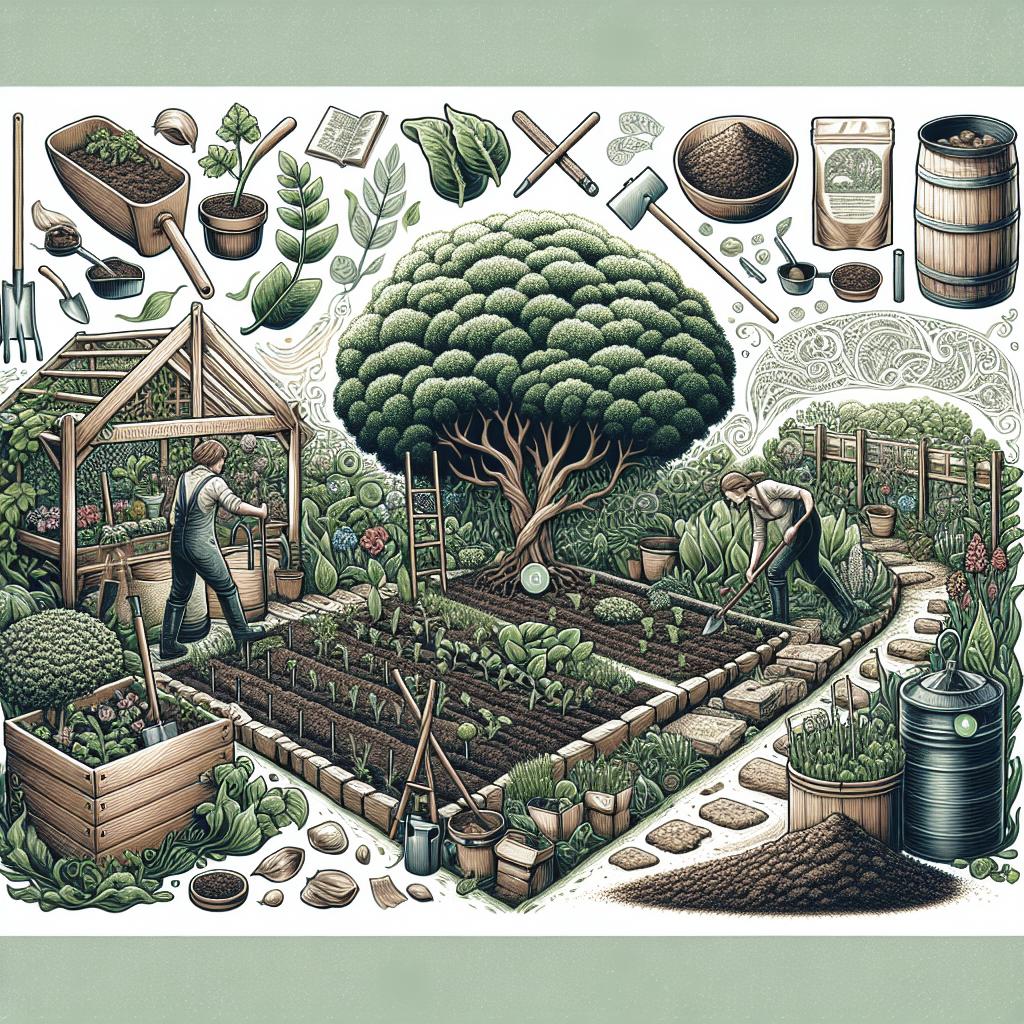
In a world increasingly conscious of environmental impact, reducing plastic use has become a priority across various aspects of life, including gardening. A sustainable garden is not only about growing your own food or creating a green space, but also about making conscious choices to minimize plastic use. From choosing alternative materials to replacing common plastic items with eco-friendly options, this article explores numerous strategies for fostering a plastic-free garden. Each section highlights practical tips and alternatives, offering ways to cultivate a lush garden that is kind to our planet.
A Plastic-Free Garden
Creating a plastic-free garden starts with a mindset focused on sustainability and environmental stewardship. The transition away from plastic should be thoughtful, aiming to balance convenience with ecological responsibility. By evaluating the materials and products used in your garden, you can make more conscious choices that contribute to a healthier planet.
Begin by assessing your garden’s current use of plastic. Identify items such as pots, tools, and containers that could be swapped out for more sustainable alternatives. This conscious inventory will help you form a strategic approach to transitioning your garden into a plastic-free oasis.
Make Your Own Fertilizer
Conventional fertilizers often come packaged in plastic, contributing to waste and pollution. Instead, consider making your own fertilizer using natural ingredients. Composting kitchen scraps and yard waste not only reduces plastic use but also enriches your soil with essential nutrients.
Another option is to concoct your own liquid fertilizers using ingredients like seaweed or compost tea. These homemade solutions provide nourishment without the plastic footprint, giving your garden the boost it needs while keeping your sustainability goals in check.
Grow or Harvest Your Own Mulch
Plastic-covered mulch is a common sight in many gardens, yet nature offers plentiful alternatives. Leaves, grass clippings, and straw serve as excellent natural mulches. These materials not only reduce plastic dependency but also improve soil health and conserve moisture.
Consider growing cover crops such as clover or vetch, which can be mowed and left on the ground to decompose naturally. This practice not only provides a plastic-free mulch but also enhances soil fertility over time, enhancing the overall vitality of your garden.
Pass on Plastic Nursery Pots
Nursery pots are predominantly made from plastic, leading to significant waste after the plants are transplanted. Seek out nurseries that offer biodegradable pots or consider starting your own seeds at home in compostable containers made from materials such as peat, coir, or newspaper.
Alternatively, return pots to nurseries for reuse when possible. Many local nurseries offer programs that allow gardeners to return pots, supporting a circular economy and reducing the demand for new plastic.
Pick Non-Plastic Growing Containers
Traditional plastic planters and containers can be easily replaced with ceramic, metal, or wooden alternatives. These materials not only reduce plastic waste but also add an aesthetic appeal to your garden space.
Additionally, consider using repurposed items such as buckets, crates, or wooden pallets as growing containers. Not only do these solutions keep plastics at bay, but they also encourage creativity and resourcefulness in garden design.
Choose Plastic-Free Tools and Gear
Gardening tools often incorporate plastic elements, from handles to housing. As these tools wear out, opt for replacements made from metal, wood, or bamboo. These materials offer durability and lesser impact on the environment.
It’s not just about swapping tools; also focus on maintenance. By taking care of your tools through regular cleaning and oiling, you extend their lifespan, further supporting a sustainable gardening practice.
Share Tools
Tool-sharing among neighborhood gardeners can significantly reduce the overall plastic footprint. Establish a community tool library where members can borrow rather than buy new equipment. This not only minimizes waste but also fosters community spirit and shared learning.
By sharing tools, you reduce the need for mass production, keeping plastics out of the supply chain while also saving money. It may also lead to shared resources like seeds and plants, enriching your gardening experience.
Use Plastic-Free Weed Barriers
Commercial weed barriers often comprise synthetic materials, leading to potential soil contamination over time. Instead, opt for biodegradable options such as cardboard or layers of newspaper topped with organic mulch.
These alternatives provide effective weed control without introducing plastic into your garden environment, ensuring the health of your soil and surrounding ecosystem remains intact.
Get Creative with Row and Plant Markers
Plastic plant markers, although convenient, contribute to unnecessary waste. Instead, craft your own markers from materials such as stones, wood sticks, or old utensils. Not only does this practice reduce plastic, but it also personalizes your garden space.
Experiment with natural materials by carving into wood or painting rocks to create colorful, durable, and completely unique plant markers that degrade harmoniously with the environment.
Choose Non-Plastic Seed Packets
Instead of purchasing seeds in plastic packets, seek out sellers who package seeds in paper or cardboard. Alternatively, save seeds from your own garden to use in future plantings, thereby cutting down on packaging altogether.
Supporting companies that prioritize sustainable packaging is vital in promoting an industry-wide shift towards plastic-free practices, further contributing to environmental preservation.
Get Plastic-Free Raised Beds
Raised beds made from plastic composite materials are widely available but can be replaced by wooden alternatives. Reclaimed wood or untreated lumber offers a more eco-friendly solution that encourages the breakdown of natural materials.
Constructing your raised bed from stone, brick, or woven branches also presents an opportunity to integrate natural elements into your garden, complementing its aesthetic while protecting the earth.
Water Without Plastic
Traditional hoses and sprayers often involve considerable amounts of plastic. Consider options such as metal watering cans or invest in a metal or rubber hose with zero-plastic components.
Drip irrigation systems can also be set up with non-plastic materials, providing an efficient watering solution that conserves water while keeping plastic use to a minimum.
Enjoy Non-Plastic Composting
Plastic compost bins contribute to long-term waste; instead, create a compost heap or use a wooden bin. These options allow organic matter to break down naturally without the need for synthetic containers.
Additionally, indoor composting can be complemented with ceramic or metal compost containers. Embracing these practices supports a full-circle approach to sustainability, nourishing your garden and the environment simultaneously.
About the Author
Sarah Lambert is an experienced copywriter specializing in journalism and national media. With a keen interest in psychology and popular culture, Sarah’s writing style makes complex subjects accessible to diverse audiences. Aiming to transition further into editorial management, she remains focused on emerging trends in the digital landscape while leveraging her words to inspire, educate, and influence. Sarah’s dedication to environmental consciousness is reflected in her commitment to promoting sustainable practices through her work.
Final Thoughts
| Topic | Alternative |
|---|---|
| Fertilizer | Homemade compost and liquid fertilizers |
| Mulch | Natural materials like grass clippings and leaves |
| Nursery Pots | Biodegradable or returnable pots |
| Growing Containers | Ceramic, metal, wooden, or repurposed items |
| Gardening Tools | Metal or wood, share tools within community |
| Weed Barriers | Biodegradable options like cardboard |
| Plant Markers | Natural materials such as stones or sticks |
| Seed Packets | Paper or cardboard, save seeds |
| Raised Beds | Wood, stone, or recycled materials |
| Watering | Metal watering cans, non-plastic hoses |
| Composting | Wooden bins or compost heaps |
“`
