“`html
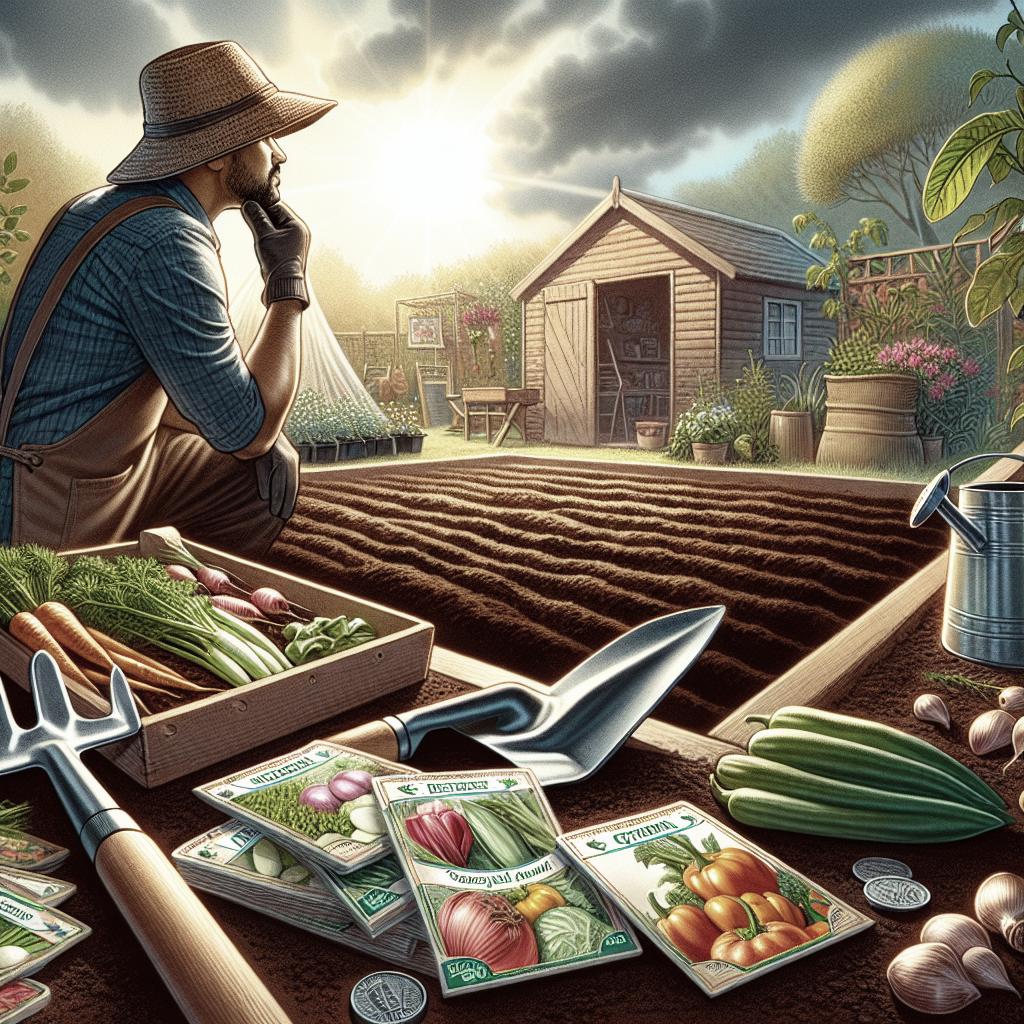
It’s No Secret. I’m Not a Gardening Diva.
Gardening is a rewarding pursuit, but it comes with its fair share of challenges, particularly when it comes to managing weeds. Unchecked, these invaders can turn a pristine garden into a battle zone. But fear not; you don’t need to be a gardening diva to conquer these uninvited guests naturally. With techniques ranging from smothering and wise watering to thick planting and munching on pesky plants, you’ll learn how to maintain a flourishing garden without resorting to harsh chemicals. Discover how a few simple, natural methods can help you keep weeds at bay and embrace a harmonious gardening routine.
Natural Weed Control for Your Garden
1. Smother Weeds
An effective and chemical-free method of managing weeds is to smother them. By denying weeds the sunlight they need, you can stunt their growth or prevent them from sprouting altogether. To do this, apply a thick layer of organic mulch over areas prone to weed growth. Straw, wood chips, or shredded leaves are excellent choices. Mulch not only suppresses weeds but also retains moisture for your plants, creating a double win for your garden.
Another popular smothering method is using newspaper or cardboard layers. Lay down sheets of newspaper several layers thick or flattened cardboard, and cover them with mulch. The biodegradable paper will eventually degrade, enriching the soil below while preventing weeds from seeing the light of day. This technique is particularly useful for preparing new garden plots or tackling notoriously weed-infested areas.
2. Water Wisely
Thoughtful watering techniques can play a crucial role in weed control. Most garden weeds require moist conditions to thrive, so consider adopting targeted watering practices. Water only the base of your desirable plants using drip irrigation or soaker hoses. This method prevents excess water from reaching weed seeds scattered throughout your garden’s topsoil, effectively curbing their growth. Plus, it promotes deeper root systems among your garden plants, enhancing their vigor and resilience.
Avoiding overhead watering is another key strategy. Sprinklers and other broad watering systems soak not only your plants but also the surrounding areas, providing the perfect environment for dormant weed seeds to sprout. By focusing your efforts on precise watering techniques, you can improve plant health while naturally suppressing weeds.
3. Plant Thickly
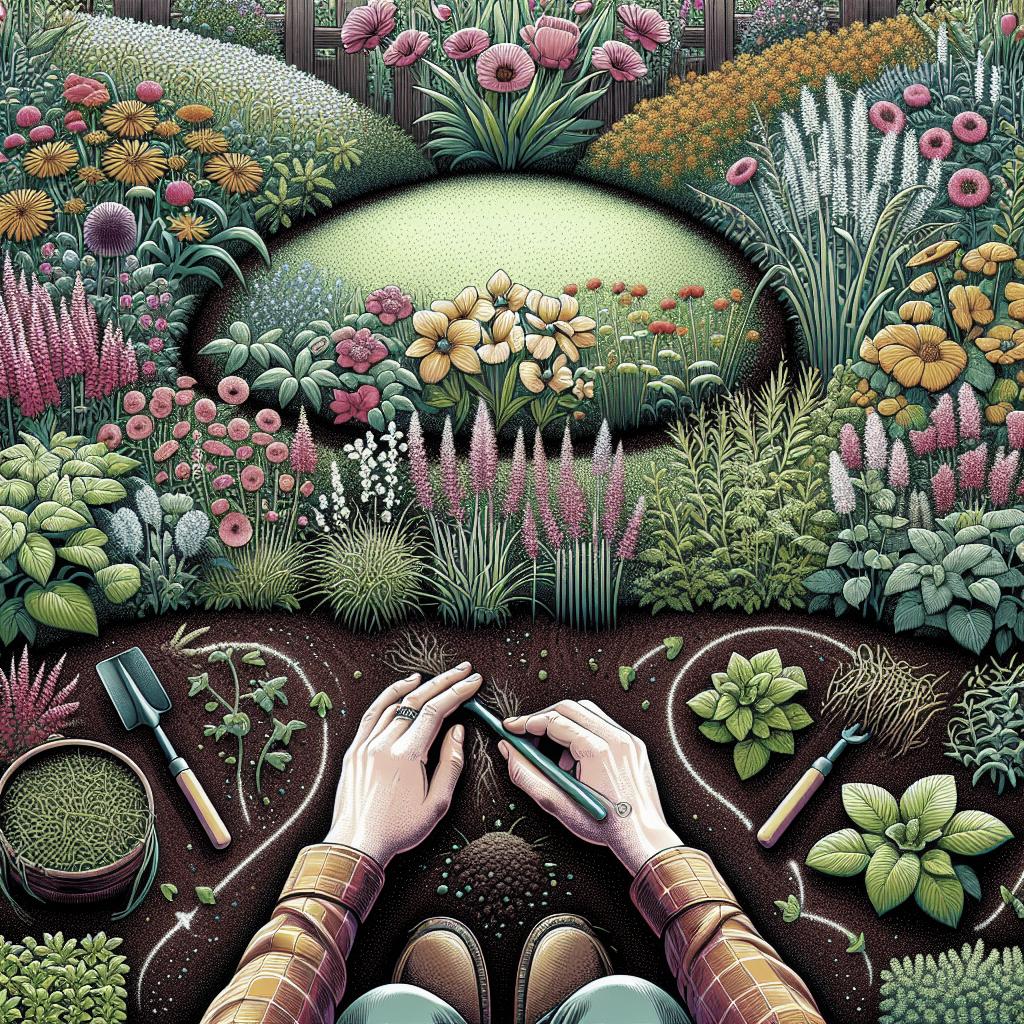
The concept of dense planting involves placing plants close together to overshadow the soil and limit weed growth. Planting thickly ensures that your garden retains a full and vibrant look while minimizing available space for weeds to establish themselves. Choose fast-growing ground covers or companion plant varieties that harmonize with your primary plants, acting as living mulch that naturally suppresses weeds by blocking sunlight.
Companion planting can take this approach a step further. Certain plant combinations can enhance each other’s growth while jointly defending against pests and weeds. Experiment with pairing taller plants with leafy ground covers or intersperse short-rooted plants among deep-rooted ones to achieve layered, weed-resistant growth patterns.
4. Pull ‘Em When They’re Young
One of the simplest yet most effective techniques in natural weed control is hand-pulling. Addressing weeds while they’re young prevents them from establishing deeper roots and competing with your plants for nutrients. Frequent, consistent inspections of your garden ensure that you tackle any intruders before they become a problem.
When pulling weeds, ensure you remove the entire root to prevent regrowth. It’s best to deal with them after a rainfall or watering session when the soil is soft, making removal easier. Consider making a weekly or bi-weekly habit of weeding, which will make the task less daunting and maintain your garden’s health throughout the growing season.
5. Make Homemade Weed Killer
For those persistent weeds that seem immune to the above tactics, homemade weed killers present an effective and eco-friendly solution. A common recipe blends vinegar, salt, and dish soap. The acetic acid in vinegar acts as a dehydrant for weeds, while salt disrupts the moisture balance in cells. Dish soap helps the solution adhere to the plant’s surface, enhancing its effectiveness.
Use this solution responsibly, as it can impact your garden’s soil as well. Apply it on a dry, sunny day to unmixed areas, ensuring it targets only the weeds and not your desired plants. Conduct a spot test to assess the effects before applying more broadly, as harsher solutions can alter soil conditions if misused.
6. Give Up and Eat Your Weeds
If you can’t beat them, eat them! Many common garden weeds are edible and packed with nutrients. Dandelions, for instance, provide a rich source of vitamins A, C, and K, and can be used in salads or teas. Purslane is another nutritious contender, with omega-3 fatty acids and a slightly tangy taste that pairs well with various dishes.
Before consuming any wild plants, ensure you correctly identify them and confirm they are free of pesticides or harmful chemicals. Consult local foraging guides or gardening experts to explore the option of transforming weeds into part of your culinary repertoire. This approach not only reduces weed presence but also turns your garden into a sustainable source of food.
Final Advice on Making Natural Weed Control Work…
The journey to a weed-free garden is ongoing and requires patience and persistence. By integrating these natural methods into your gardening routine, you can enjoy a thriving, bountiful space without relying on harsh chemicals. Balance is key – adapt your techniques as needed, considering plant health, soil conditions, and personal preferences.
Glean inspiration from the world around you, seeking community forums, gardening groups, or digital resources for shared experiences and new methods. Remember, every garden is unique, and finding the right combination of strategies will empower your green thumb to flourish.
More Natural Gardening Tips:
Explore additional sustainable gardening practices such as composting, rainwater harvesting, and pollinator-friendly planting to further enhance your ecosystem’s health. These practices offer long-term benefits and foster self-sufficiency, ensuring your garden remains an inviting sanctuary for both plants and pollinators.
| Method | Description |
|---|---|
| Smother Weeds | Use mulch or layered materials like newspaper to block sunlight and impede growth. |
| Water Wisely | Use targeted watering approaches, minimizing moisture exposure to weed seeds. |
| Plant Thickly | Employ dense planting or companion planting to overshadow and outcompete weeds. |
| Pull ‘Em When They’re Young | Regular hand-pulling of young weeds prevents them from establishing deeper roots. |
| Make Homemade Weed Killer | Create natural solutions with household ingredients to target persistent weeds. |
| Eat Your Weeds | Identify edible weeds and incorporate them into your diet, reducing their presence naturally. |
“`